
ABBL-iTHEMS Joint Astro Seminar
86 events
-
Seminar
Quantum Creation of the Universe: Reassessing the No-Boundary and Tunneling Proposals
October 30 (Fri) 14:00 - 15:00, 2026
Hiroki Matsui (Researcher, Osaka Central Advanced Mathematical Institute, Osaka Metropolitan University)
How was our Universe created? This is one of the most fundamental questions in cosmology. Quantum cosmology attempts to answer it by using a "wave function of the Universe," and for four decades the discussion has been dominated by two proposals: the no-boundary proposal of Hartle and Hawking, and the tunneling proposal of Vilenkin. The two predict very different initial states for our Universe, yet for a long time there was no common framework in which they could be exactly analyzed and compared. In this talk I will begin with a pedagogical introduction to the wave function of the Universe and to the Lorentzian path integral formulation based on Picard-Lefschetz theory, which makes the gravitational path integral well defined without the ambiguities of the traditional Euclidean approach and allows both proposals to be treated on the same footing. I will then present our recent results. Using Lefschetz-thimble analysis together with resurgence theory, we resolve the Stokes-line ambiguity that had obscured earlier analyses and show that the path integral uniquely yields the tunneling wave function rather than the no-boundary one. The no-boundary saddles nevertheless leave a trace: their contributions exactly cancel the Borel ambiguity of the perturbative quantum-gravity corrections around the tunneling saddle, demonstrating that resurgence is at work in quantum cosmology. I will also discuss what changes beyond general relativity, using Hořava-Lifshitz gravity as a concrete UV-complete example.
Venue: Hybrid Format (3F #359 and Zoom), Main Research Building / via Zoom
Event Official Language: English
-
Seminar
Making robust reionisation 21 cm signal predictions with C21LRT
September 11 (Fri) 14:00 - 15:15, 2026
Qin Han (JSPS International Research Fellow, Shibaura Institute of Technology)
The redshifted 21 cm line signal is a unique probe for the Epoch of Reionisation by tracking the evolution of the averaged intergalactic medium properties as well as their fluctuations, enabling tomographic studies. Accurate modelling of the 21 cm global and power spectrum signals is crucial for interpreting measurements from current and forthcoming 21 cm experiments. Theoretical predictions usually post-process reionisation simulations with optical depth approximation, which treats local line broadening and peculiar velocities approximately and often leads to divergences due to its velocity gradient term. I will present our cosmological 21 cm line radiative transfer (C21LRT) formulation which resolve these issues naturally. I will compare the 21-cm signals calculated with C21LRT and the conventional optical depth method, and highlight the need to fully quantify the uncertainties of using the optical depth method for exploring the 21-cm signals associated from various possible reionisation scenarios.
Venue: Hybrid Format (2F #220 and Zoom), Main Research Building
Event Official Language: English
-
Seminar

Cancellation of loop corrections to soft power spectrum of inflation
September 3 (Thu) 16:30 - 18:00, 2026
Muzi Hong (Postdoctoral Researcher, Division of Fundamental Mathematical Science, RIKEN Center for Interdisciplinary Theoretical and Mathematical Sciences (iTHEMS))
Inflation theory provides an explanation for the seeds of structure formation and inhomogeneities in the cosmic microwave background (CMB) through quantum fluctuations stretched to cosmological scales during inflation. Mechanisms that enhance small-scale curvature perturbations during inflation can lead to the formation of primordial black holes after horizon re-entry. Recently, some arguments have claimed that loop corrections from such enhanced small-scale fluctuations can give a scale-invariant contribution to the large-scale power spectrum and thereby spoil the inflationary prediction for the CMB. This appears to challenge the standard tree-level expectation that large-scale curvature perturbations are conserved on superhorizon scales in single-clock inflation, and has ignited discussion. In this talk, I will show that the scale-invariant contribution from the enhanced small-scale fluctuations indeed cancels, both in an explicit one-loop calculation and as a consequence of the diffeomorphism symmetry of General Relativity. This seminar is jointly organized by the iTHEMS–ABBL Joint Astro Study Group and the Cosmology Study Group.
Venue: Seminar Room #359 (Main Venue) / via Zoom
Event Official Language: English
-
Seminar

Cosmic-ray bath in a past supernova gives birth to Earth-like planets
July 3 (Fri) 14:00 - 15:15, 2026
Ryo Sawada (Special Postdoctoral Researcher, Division of Fundamental Mathematical Science, RIKEN Center for Interdisciplinary Theoretical and Mathematical Sciences (iTHEMS))
A key question in astronomy is how ubiquitous Earth-like rocky planets are. The formation of terrestrial planets in our Solar System was strongly influenced by the radioactive decay heat of short-lived radionuclides (SLRs), particularly 26 Al (aluminum-26), likely delivered from nearby supernovae. However, current models struggle to reproduce the abundance of SLRs inferred from meteorite analysis without destroying the protosolar disk. We propose the "immersion" mechanism, where cosmic-ray nucleosynthesis in a supernova shockwave reproduces estimated SLR abundances at a supernova distance (~1 parsec), preserving the disk. We estimate that solar mass stars in star clusters typically experience at least one such supernova within 1 parsec, supporting the feasibility of this scenario. This suggests that Solar System─like SLR abundances and terrestrial planet formation are more common than previously thought.
Venue: #424-426, Main Research Building
Event Official Language: English
-
Seminar

Universal Laws of Nonequilibrium Quantum Many-Body Systems: From Understanding to Control
May 12 (Tue) 15:00 - 16:00, 2026
Ryusuke Hamazaki (RIKEN Hakubi Team Leader, Nonequilibrium Quantum Statistical Mechanics RIKEN Hakubi Research Team, RIKEN Pioneering Research Institute (PRI))
(Note: This lecture will be given in Japanese. This seminar is also designated as part of the Pioneering Research Institute (PRI) Lecture Series.) Recent advances in quantum simulators and quantum computers have made it possible to realize and manipulate quantum many-body systems with high precision and to directly observe their dynamics. This progress has renewed interest in a fundamental question dating back to John von Neumann: how macroscopic statistical mechanics emerges from microscopic quantum mechanics. At the same time, there is growing momentum toward harnessing the quantum nature of such systems through control, with the aim of realizing devices and functionalities that surpass those of classical systems. In this talk, I will discuss our research and future perspectives from the viewpoint of understanding universal laws governing nonequilibrium quantum many-body systems from microscopic quantum dynamics, and theoretically elucidating their controllability. In particular, I will focus on topics such as the characterization of phases unique to open quantum many-body systems, the emergence of thermal statistical mechanics in isolated quantum systems, and the establishment of rigorous universal laws in nonequilibrium dynamics. Building on these insights, I will also discuss how we may open up the unexplored frontier of the statistical and many-body physics of control. Finally, I would like to touch upon the possibility that this universal framework of nonequilibrium statistical mechanics may find applications beyond quantum condensed matter physics and extend to other fields as well.
Venue: 2F Large Conference Room, Administrative Headquarters, RIKEN Wako Campus
Event Official Language: Japanese
-
Seminar
Clumpy Outflows from Super-Eddington Accreting Black Holes
April 10 (Fri) 14:00 - 15:15, 2026
Haojie Hu (JSPS Research Fellow, University of Tsukuba)
Recent advances in X-ray spectroscopic observation have enabled researchers to reveal distinct clumpy structures in the super-Eddington outflows from the supermassive black hole in PDS 456 (XRISM Collaboration 2025), initiating detailed investigation of fine-scale structures in accretion-driven outflows. In this talk, I will introduce our high-resolution, two-dimensional radiation-hydrodynamics simulations with time-varying and anisotropic initial and boundary conditions that reproduce clumpy outflows from super-Eddington accretion flows. The resulting clumpy outflows extend across a wide range of radial distances and polar angles, exhibiting typical properties such as a size of ~10 rg (where rg is the gravitational radius), a velocity of ~0.05–0.2 c (where c is the speed of light), and about five clumps along the line of sight. Although the velocities are slightly smaller, these characteristics reasonably resemble those obtained from the XRISM observation. The gas density of the clumps is on the order of 10^-13–10^-12 g cm^-3, and their optical depth for electron scattering is approximately 1–10. The clumpy winds accelerated by radiation force are considered to originate from the region within <300 rg.
Venue: #220, 2F, Main Research Building (Main Venue) / via Zoom
Event Official Language: English
-
Seminar
A Hybrid Pseudo-spectral–PINN Approach to Black Hole Quasinormal Modes
April 3 (Fri) 14:00 - 15:15, 2026
Alexandre M. Pombo (PD, Institute of Physics of the Czech Academy of Sciences, Czechia)
Gravitational-wave detections by the LIGO-Virgo-KAGRA network have turned compact-object mergers into precision probes of strong gravity. The post-merger ringdown is particularly incisive: it is governed by quasinormal modes (QNMs), the damped oscillations that encode the remnant's structure and provide a fingerprint of the final object. While current detectors constrain the dominant mode, next-generation observatories will resolve multiple modes with high precision, placing stringent demands on the accuracy of theoretical predictions. Computing QNMs for rotating black holes is, however, a non-trivial task, as it requires solving highly coupled, complex-valued perturbation equations where standard methods struggle. In this talk, I present SpectralPINN, a hybrid solver combining Pseudo-spectral methods with Physics-Informed Neural Networks, validated at 10⁻⁵ relative accuracy. I will present results for Kerr and Kerr-Newman black holes, demonstrating the method's robustness and accuracy across parameter space, and discuss its potential for extension to more exotic compact objects relevant to next-generation detector science.
Venue: Hybrid Format (3F #359 and Zoom), Seminar Room #359
Event Official Language: English
-
Seminar
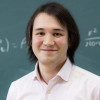
Basic Conceptual and Mathematical Problems of QFT
February 20 (Fri) 14:00 - 15:30, 2026
Christy Koji Kelly
In this talk we discuss some of the most basic conceptual and mathematical difficulties that arise in the standard physics analysis of QFT. In particular we shall discuss the origin of UV divergences in QFT—pointing out that there is both a kinematic and a dynamic aspect to this problem, and that the standard physics explanation (’new physics’) only considers the latter—and suggest that despite the notoriety of the problem, UV divergences are essentially under control. Secondly we discuss Haag’s theorem—which ensures the nonexistence of the interaction picture and the triviality of the perturbative S-Matrix—and indicate how this is the most elementary manifestation of a series of infrared problems in QFT. Finally we will outline why the rigorous construction of path-integral measures is difficult. If we have time, we may discuss some difficulties associated with gauge theories such as the infraparticle problem of QED and the mass-gap problem of Yang-Mills theory.
Venue: Hybrid Format (3F #359 and Zoom), Seminar Room #359
Event Official Language: English
-
Seminar

What can we learn from kilonovae about nucleosynthesis and high-density matter?
February 9 (Mon) 14:00 - 15:15, 2026
Oliver Just (Postdoctoral Researcher, GSI Helmholtzzentrum für Schwerionenforschung, Germany)
The electromagnetic transients accompanying neutron-star mergers (NSMs), called kilonovae, are powered by the radioactive decay of freshly synthesized heavy elements. As such they should contain rich information about the ejected matter and the properties of the extremely dense meta-stable neutron-star remnant formed right after the collision. However, extracting such information from observed kilonova light curves and spectra remains a challenging endeavor, which requires sophisticated models of various hydrodynamic processes and neutrino transport effects, detailed knowledge of nuclear and atomic physics, as well as complex radiative transfer calculations. In this talk I will report recent efforts from our "HeavyMetal" collaboration aimed at deciphering kilonovae.
Venue: Hybrid Format (3F #359 and Zoom), Seminar Room #359
Event Official Language: English
-
Seminar

Introduction to the gravitational wave background from the primordial universe
January 16 (Fri) 16:00 - 17:15, 2026
Ryo Namba (Senior Research Scientist, Division of Fundamental Mathematical Science, RIKEN Center for Interdisciplinary Theoretical and Mathematical Sciences (iTHEMS))
Being genuine propagating degrees of freedom of the spacetime metric, gravitational waves (GWs) serve as an independent "eye" through which we can probe the evolution history of our universe. They are complementary to electromagnetic observables such as cosmic microwave background (CMB) and can act as direct messengers from the earliest stage of the universe, where conventional probes lose access. In particular, a stochastic background of GWs is widely regarded as a smoking gun of cosmic inflation. In this talk, I introduce the basic theoretical framework for GWs produced in the primordial universe and discuss how they arise from vacuum fluctuations of the metric. I also outline additional production mechanisms sourced by matter fields in the early universe and contrast their characteristic observational signatures with those of vacuum tensor modes. The emphasis of my talk will be on physical intuition and analytic derivations, with the aim of making the subject accessible to non-specialists in the astrophysics community.
Venue: Hybrid Format (3F #359 and Zoom), Seminar Room #359
Event Official Language: English
-
Seminar
Is the Fornax galaxy cluster hiding its radio sources?
December 15 (Mon) 14:00 - 15:15, 2025
Alvina Yee Lian On (PD, Physics Division, National Center for Theoretical Sciences, Taiwan)
Recently, the ASKAP POSSUM and MeerKAT surveys revealed an apparent lack of radio source counts in the Fornax galaxy cluster field. The sources in this patch of sky also appeared to be less polarised. These observations are peculiar and could be important signatures of depolarisation on megaparsec scales. In this talk, I will present some of our recent results, where we quantified the effects on polarisation of radio point sources behind a merging galaxy cluster simulation. The merger gives rise to a large-scale intracluster shock, which compresses the gas and aligns the magnetic field along the shock front. The in-falling subcluster also triggers gas sloshing near the cluster center, resulting in the formation of cold fronts. Our ray-tracing calculations revealed that, generally, bright sources do not experience any significant changes in polarisation, whereas faint sources either get severely depolarised or enhanced as their radiation propagates through the intracluster medium. I will highlight the physical conditions under which polarisation may change significantly along the line-of-sight and discuss how these may impact our interpretations of radio observations, particularly with the SKA.
Venue: Hybrid Format (3F #359 and Zoom), Seminar Room #359
Event Official Language: English
-
Seminar
Contribution of star-forming galaxies to the cosmic gamma-ray background
November 14 (Fri) 14:00 - 15:15, 2025
Junling Chen (Ph.D. Student, Graduate School of Mathematical Sciences, The University of Tokyo)
Fermi Gamma-Ray Space Telescope has measured the diffuse extragalactic gamma-ray background (EGB) radiation in the energy range of 100 MeV to 820 GeV. Several candidate γ -ray sources have been proposed as the candidate components of the unresolved EGB, including active galactic nuclei (AGNs), millisecond pulsars, dark matter annihilation, and star-forming galaxies (SFGs), but their quantitative contribution has not yet been precisely determined. In this talk, I will introduce our latest physical model describing the gamma-ray emission mechanism from SFGs, and our estimate of the contribution of SFGs based on careful calibration with gamma-ray luminosities of nearby galaxies and physical quantities (star formation rate, stellar mass, and size) of galaxies observed by high-redshift galaxy surveys.
Venue: Hybrid Format (3F #359 and Zoom), Seminar Room #359
Event Official Language: English
-
Seminar
Particle-in-Cell Simulations on Collisionless Shocks and Particle Acceleration in Black Hole Coronae
October 16 (Thu) 14:00 - 15:15, 2025
Nhat-Minh Ly (Ph.D. Student, Department of Physics, The University of Osaka)
Multiple nearby Active Galactic Nuclei have been reported as sources of high-energy neutrinos detected by the IceCube observatory. These results strongly suggest efficient proton acceleration to (sub-)PeV energies, likely within Black Hole (BH) coronae, given the lack of γ-ray counterparts. The acceleration mechanisms remain unconfirmed due to limited understanding of coronal environments and challenges in modeling hot, relativistic plasmas. Although diffusive shock acceleration (DSA) has been proposed, a self-consistent treatment incorporating detailed kinetic plasma effects has been lacking. In this study, we present the particle-in-cell (PIC) method as a first-principles approach to investigate particle acceleration by collisionless shocks under conditions inferred from multi-wavelength observations of BH coronae. Using large-scale 1D3V simulations, we surveyed shock parameters, focusing on underexplored effects such as initial ion–electron temperature ratios and trans-relativistic shock velocities, and found that collisionless shocks can form even in hot, low-Mach plasmas. These shocks accelerate protons up to ~100 TeV, consistent with the energies required for IceCube neutrino detections, across a wide range of coronal conditions. The shocks partition ~10% of dissipated energy into nonthermal protons and <1% into electrons, providing critical, observationally testable constraints on the plasma state of BH coronae.
Venue: Hybrid Format (3F #359 and Zoom), Seminar Room #359
Event Official Language: English
-
Seminar

A Continuous Galactic Line Source of Axions: The Remarkable Case of 23Na
September 30 (Tue) 14:00 - 15:00, 2025
Wick C. Haxton (Professor, Department of Physics, University of California, Berkeley, USA)
While it is unusual for odd-A nuclear species to be abundant in massive stars, 23Na is an interesting exception. Typically 0.1 solar masses of 23Na is synthesized during the carbon burning phase of supernova and ONeMg white dwarf progenitors, then maintained at approximately 10^9 K for periods ranging up to 60,000 years. Under these conditions, 23Na can pump the thermal energy of the star into escaping axions: the mechanism is the Boltzmann occupation of and subsequent axion emission from the 440 keV level. We develop a galactic model to show that the resulting flux of line axions is continuous, arising from hundreds of contributing sources. As they travel through the intra-galactic magnetic field, some of these axions convert to detectable gamma rays. Consequently, future all-sky detectors like COSI will be able to set new limits on light axion-like particles. Other interesting aspects of these axions will be discussed.
Venue: Hybrid Format (3F #359 and Zoom), Seminar Room #359
Event Official Language: English
-
Seminar
Confined Circumstellar Material as a Dust Formation Site in Type II Supernovae
September 26 (Fri) 14:00 - 15:15, 2025
Yuki Takei (Program-Specific Researcher, Yukawa Institute for Theoretical Physics, Kyoto University)
Some massive stars undergo episodic mass loss shortly before core-collapse, producing dense circumstellar material (CSM) in their immediate surroundings. If the supernova (SN) ejecta strongly interacts with such CSM, narrow emission lines appear in the spectrum, classifying the event as Type IIn. In these cases, efficient radiative cooling forms a cold, dense shell (CDS), providing ideal conditions for dust condensation. Infrared observations of several SNe IIn have indeed confirmed newly formed dust. Recent time-domain surveys, however, suggest that compact and dense CSM, often termed “confined CSM”, is also present around a broader class of Type II SN progenitors with hydrogen-rich envelopes, beyond the traditional Type IIn subclass. This raises the possibility that dust formation in dense CSM is more common among core-collapse SNe than previously thought. In this talk, I will demonstrate that CDS formation occurs robustly across a wide parameter space for confined CSM using numerical simulations based on the open-source code CHIPS. I will also discuss the resulting dust mass and infrared emission, as well as the potential contribution of this process to the galactic dust budget.
Venue: Hybrid Format (3F #359 and Zoom), Seminar Room #359
Event Official Language: English
-
Seminar
Dust formation in the universe: reconstructing of theoretical models
August 29 (Fri) 14:00 - 15:15, 2025
Kyoko Tanaka (Appointed Associate Professor, Tokyo Woman's Christian University)
The formation process of cosmic dust is the starting point of solid matter and is important for understanding the evolution of cosmic material and planet formation processes. The nucleation process at the initial stage of the phase transition is a key to how cosmic dust is formed and evolves. Recent studies of the nucleation have shown possibilities that are very different from the theoretical models that have been considered so far. We have investigated the nucleation process using molecular dynamics simulations, which allow us to observe the nucleation process at the molecular level and obtain new information. We also present our attempt to develop and reconstruct a new theoretical model to elucidate a comprehensive picture of cosmic dust formation in collaboration with experiments.
Venue: Hybrid Format (3F #359 and Zoom), Seminar Room #359
Event Official Language: English
-
Seminar
From Galaxies to Cosmological Structures: The Multi-Scale Influence of Cosmic Rays
June 13 (Fri) 14:00 - 15:15, 2025
Ellis Owen (Special Postdoctoral Researcher, Astrophysical Big Bang Laboratory, RIKEN Pioneering Research Institute (PRI))
Cosmic rays interact with astrophysical systems over a broad range of scales. They go hand-in-hand with violent, energetic astrophysical environments, and are an active agent able to regulate the evolution and physical conditions of galactic and circum-galactic ecosystems. Depending on their energy, cosmic rays can also escape from their galactic environments of origin, and propagate into larger-scale cosmological structures. In this talk, I will discuss the impacts of cosmic rays retained in galaxies. I will show they can deposit energy and momentum to alter the initial conditions of star-formation, modify the circulation of baryons around galaxies, and have the potential to regulate long-term galaxy evolution. I will highlight some of the astrophysical consequences of contained hadronic and leptonic cosmic rays in and around galaxies, and how their influence can be probed using signatures including X-rays, gamma-rays and neutrinos. I will also discuss what happens to the cosmic rays that escape from galaxies, including their interactions with the magnetized large-scale structures of our Universe, and the fate of distant high-energy cosmic rays that do not reach us on Earth.
Venue: Hybrid Format (3F #359 and Zoom), Seminar Room #359
Event Official Language: English
-
Seminar
SISSI: Supernovae in a Shearing, Stratified Interstellar Medium
May 23 (Fri) 14:00 - 15:15, 2025
Leonard Romano (Ph.D. Student, Ludwig-Maximilians-Universität München, Germany)
Supernovae (SNe) are an important driver of the multiphase structure in the Interstellar Medium (ISM) and play an important role for regulating star formation. SNe inflate large bubbles of hot gas dubbed Supernova Remnants (SNRs) that can remain hot for several 10⁵-10⁶ years, contributing substantially to the volume filling hot phase, galactic outflows and the driving of turbulence in the ISM. In this talk, I am presenting the results of zoom-in simulations of SNRs embedded in a simulated isolated Milky-Way analogue, in order to investigate how environmental effects like shear, vertical stratification and a self-consistently generated ISM can affect various properties of SNRs. I find that initially microscopic SNRs, whose dynamics are dominated by local shock physics, after a few Myr enter a mesoscopic regime, where their dynamics are increasingly dominated by galactic scale processes. Based on these findings, I make predictions about SN-driven large-scale structure, such as galactic outflows and the geometry of large superbubbles in disk galaxies.
Venue: Hybrid Format (3F #359 and Zoom), Seminar Room #359
Event Official Language: English
-
Seminar
Insights on Issues in the Cold Dark Matter Hypothesis
April 25 (Fri) 14:00 - 15:15, 2025
Yuka Kaneda (Ph.D. Student, University of Tsukuba)
Dark matter accounts for 85% of the matter component of our universe, but its true nature is still unclear. The Lambda-Cold Dark Matter (CDM) model, which thought to be the standard model, reproduces well the statistical properties of the large-scale structure of our universe. However, at the scale of galaxies and dwarf galaxies, serious discrepancies between the predictions of the CDM model and observations have been pointed out. In this study, we tackle on the “cusp-core problem” and the “missing satellite problem,” which are typical examples of such discrepancies, using N-body simulations. In the talk, the physical trigger of cusp-to-core transition and the novel method to find missed satellites are presented.
Venue: Hybrid Format (3F #359 and Zoom), Seminar Room #359
Event Official Language: English
-
Seminar
Fast radio bursts as precursor radio emission from monster shocks
March 21 (Fri) 16:00 - 17:15, 2025
Arno Vanthieghem (Assistant Professor, Observatoire de Paris and Sorbonne Université, France)
It has been proposed recently that the breaking of MHD waves in the inner magnetosphere of strongly magnetized neutron stars can power different types of high-energy transients. Motivated by these considerations, we study the steepening and dissipation of a strongly magnetized fast magnetosonic wave propagating in a declining background magnetic field, by means of particle-in-cell simulations that encompass MHD scales. Our analysis confirms the formation of a monster shock, that dissipates about half of the fast magnetosonic wave energy. It also reveals, for the first time, the generation of a high-frequency precursor wave by a synchrotron maser instability at the monster shock front, carrying a fraction of 0.1% of the total energy dissipated at the shock. The spectrum of the precursor wave exhibits several sharp harmonic peaks, with frequencies in the GHz band under conditions anticipated in magnetars. Such signals may appear as fast radio bursts.
Venue: Hybrid Format (3F #359 and Zoom), Seminar Room #359
Event Official Language: English
86 events