
Volume 418
Back to Newsletter List


Volume 418
July 24, 2026
Hot Topic
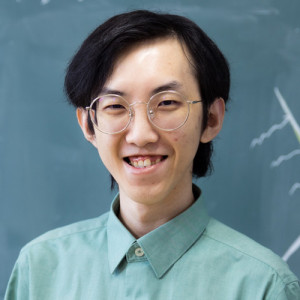
Farewell message from Puttarak Jai-akson
2026-07-24
Our colleague, Puttarak Jai-akson, will be joining the Graduate School of Science, Kyoto University, as a Program-Specific Researcher, starting in August 2026. We will all miss him and wish him every success in this exciting new chapter.
Here is a message from Puttarak:
I would like to share that I will be leaving my position as a Postdoctoral Researcher at iTHEMS.
I joined iTHEMS in November 2022, and after nearly four wonderful years, I will be moving to a new position as a Researcher at Kyoto University, starting in August 2026.
During my time at iTHEMS, I greatly enjoyed the open, friendly, and interdisciplinary research environment. The opportunity to interact with researchers from diverse fields has broadened my perspective, inspired many new ideas, and significantly enriched my research. I am deeply grateful to all the members of iTHEMS for their support, encouragement, and the many enjoyable discussions we have shared. I would also like to express my heartfelt thanks to our wonderful iTHEMS Assistants, whose kindness, professionalism, and constant support made my time at iTHEMS all the more enjoyable.
Although I am leaving my full-time position, I am pleased to continue my affiliation with iTHEMS as a Visiting Scientist. I sincerely hope to continue our discussions and collaborations in the future.
If you happen to visit Kyoto University, please don't hesitate to let me know. I would be very happy to catch up and continue our conversations.
Thank you all very much for everything. It has been a privilege to be part of iTHEMS, and I wish everyone continued success.
Upcoming Events
Seminar

Some instances where topological illustration induced new mathematics
July 24 (Fri) 16:30 - 18:00, 2026
Sofia Lambropoulou (Professor, School of Applied Mathematical and Physical Sciences, National Technical University of Athens, Greece)
We shall present instances from generalized knot theory, braid theory and their interactions, where illustration promoted understanding and inspired new mathematics. The first instance addresses a question of V.F.R. Jones whether one can make analogous constructions to the (2-variable) Jones polynomial using other braid groups and other types of Hecke algebras. The second instance addresses the question of formulating braid equivalences, analogous to the Markov theorem for classical braids, in settings where we may not even have available algebraic structures for the related braids. The third instance is about the theory of bonded knots and bonded knotoids used for modelling proteins.
Venue: via Zoom / Seminar Room #359, Seminar Room #359, 3F Main Research Building, RIKEN
Event Official Language: English
Seminar
Center-vortex condensation and monopole condensation in 4d gapped phases
July 27 (Mon) 14:00 - 15:30, 2026
Yui Hayashi (JSPS Postdoctoral Research Fellow, Yukawa Institute for Theoretical Physics, Kyoto University)
Two well-known scenarios for quark confinement are center-vortex proliferation and monopole condensation. We consider gauge-invariant criteria for center-vortex condensation and monopole condensation in terms of Z(N) 1-form symmetry. The condensation of a soliton can be characterized by the non-suppression of the partition function with a proper twisted boundary condition, and we utilize this idea for these criteria. With these definitions, we show that gapped phases with the center-vortex condensation necessarily exhibit the monopole condensation.
Venue: Hybrid Format (3F #359 and Zoom), Seminar Room #359, 3F Main Research Building, RIKEN
Event Official Language: English
Lecture

An optimal transport and information geometric framework for infinite-dimensional Gaussian measures and Gaussian processes (I)
July 28 (Tue) 13:30 - 14:45, 2026
Minh Ha Quang (Senior Research Scientist, Imperfect Information Learning Team, RIKEN Center for Advanced Intelligence Project (AIP))
Optimal transport (OT) and information geometry (IG) have been attracting much research attention in various fields, in particular machine learning and statistics. In this lecture, we present results on the generalization of IG and OT distances for finite-dimensional Gaussian measures to the setting of infinite-dimensional Gaussian measures and Gaussian processes. Our focus is on the Entropic Regularization of the 2-Wasserstein distance and the generalization of the Fisher-Rao Riemannian metric and related quantities. In both settings, regularization leads to many desirable theoretical properties, including in particular dimension-independent convergence and sample complexity. The mathematical formulation involves the interplay of IG and OT with Gaussian processes and the methodology of reproducing kernel Hilbert spaces (RKHS). All of the presented formulations admit closed form expressions that can be efficiently computed and applied practically. The mathematical formulations will be illustrated with numerical experiments on Gaussian processes.
Venue: Seminar Room #359, 3F Main Research Building, RIKEN / via Zoom
Event Official Language: English
Lecture
An optimal transport and information geometric framework for infinite-dimensional Gaussian measures and Gaussian processes (II)
July 28 (Tue) 15:00 - 16:15, 2026
Minh Ha Quang (Senior Research Scientist, Imperfect Information Learning Team, RIKEN Center for Advanced Intelligence Project (AIP))
Divergences between probability distributions play a crucial role in many areas of probability theory, statistics, machine learning, and their applications. While a large part of the literature is focused on divergences between finite-dimensional distributions, there is a growing body of work on infinite-dimensional distances/divergences, which are motivated by applications in functional data analysis, Bayesian inverse problems, and functional Bayesian neural networks, among others. In this lecture, we present an overview of recent results on some of the most important divergences being studied, including the Kullback-Leibler, Renyi, and Geometric Jensen-Shannon divergences. We discuss the many challenges that arise in the infinite-dimensional setting, e.g. the lack of a natural reference measure such as the Lebesgue measure and the fact that many functions such as determinants and logarithm are only well-defined in specific settings. In particular, in the setting of Gaussian measures on infinite-dimensional Hilbert spaces, the closed form expressions for the above divergences are only generalizable to equivalent Gaussian measures. We present the resolution to the above challenges via the geometrical framework of positive definite unitized (or regularized) trace class and Hilbert-Schmidt operators, including the Alpha and Alpha-Beta Log-Determinant divergences. Using this framework and the methodology of reproducing kernel Hilbert spaces (RKHS), we furthermore obtain consistent finite-dimensional approximations of the above divergences in the Gaussian process setting, with dimensional-independent sample complexities. The resulting numerical algorithms can be readily employed in practical applications. We shall also discuss the generalization of the above classical divergences above to the quantum setting, namely the Quantum Jensen-Shannon divergence between quantum states, defined in terms of the von Neumann and Tsallis entropies, from finite to infinite-dimensional settings.
Venue: Seminar Room #359, 3F Main Research Building, RIKEN / via Zoom
Event Official Language: English
Lecture
Quantum Reference Frames for Quantum Gravity
July 30 (Thu) 14:00 - 16:00, 2026
Luca Marchetti (Project Researcher, Kavli Institute for the Physics and Mathematics of the Universe (Kavli IPMU))
This seminar is the first part of a two-part mini-seminar series organized by the Quantum Gravity Gatherings study group.
It is intended to have a more lecture-style format, with an extended duration of up to two hours.
This will allow the speaker sufficient time to introduce the framework in a clear and pedagogical manner, while also leaving ample room for questions and discussion with the audience.
Title:
Quantum Reference Frames for Quantum Gravity
Abstract:
Internal quantum reference frames provide a general framework for handling symmetries in quantum theory, with applications ranging from quantum gravity and gauge theories to quantum information and foundational physics. I will first introduce the formalism in simple mechanical systems, before turning to classical gravity. There, I will motivate the need for internal, dynamical frames in background-independent theories to define relationally local gauge-invariant observables, and show how this framework leads to a relational update of general covariance: frame covariance.
I will then move to non-perturbative quantum gravity, showing how quantum reference frames can be used to define a manifestly gauge-invariant relational path integral, which is also invariant under transformations between quantum reference frames. It therefore provides a perspective-neutral description of quantum gravitational physics. I will also discuss the associated relational effective actions. Although effective actions are, in general, not frame-covariant off shell, the on-shell physics they encode is.
Finally, I will present several physical consequences of this framework, including the fuzziness of frame-changed local correlators, the non-trivial interplay between quantum-reference-frame transformations and time evolution, and the frame-dependence properties of ground sectors and Hartle-Hawking prescriptions. I will conclude by outlining future directions, with particular emphasis on a relational notion of the renormalization group flow.
Venue: Hybrid Format (3F #359 and Zoom), Main Research Building, RIKEN Wako Campus
Event Official Language: English
Seminar
Loop expansion in polymer field theory: application to phase separation
July 30 (Thu) 16:00 - 17:00, 2026
Kiyoharu Kawana (Research Fellow, Korea Institute for Advanced Study (KIAS), Republic of Korea)
Liquid-liquid phase separation underlies phenomena ranging from protein condensate formation to the phase coexistence of synthetic polymers. In this talk, we develop a field theoretic loop expansion in homopolymer systems by identifying the inverse polymer density ρ^{-1} as the Planck constant ℏ in quantum field theory. The 1-loop approximation is known as the random phase approximation (RPA) and has been extensively applied to many (hetero)polymer systems. We calculate the leading-order (2-loop) and next-to-leading-order (3-loop) corrections to the RPA free energy, denoted as RPA+ and RPA++, respectively. Testing the binodal predicted by the RPA+ against molecular dynamics simulations of bead-spring chains with Gaussian pair interactions, we find that the RPA+ qualitatively improves the dilute-phase coexistence density over the RPA, while the critical point error remains comparable to that of the RPA. Our results establish the loop expansion as a systematic route for refining the RPA-based binodal predictions for polymer phase separation.
This talk is based on arXiv: 2605.01261.
Reference
- Kiyoharu Kawana, Kyosuke Adachi, Loop expansion in polymer field theory: application to phase separation, arXiv: 2605.01261
Venue: via Zoom
Event Official Language: English
Lecture
Quantum Gravity and Emergent Cosmology: A Group Field Theory Perspective
July 31 (Fri) 14:00 - 16:00, 2026
Luca Marchetti (Project Researcher, Kavli Institute for the Physics and Mathematics of the Universe (Kavli IPMU))
This seminar is the second part of a two-part mini-seminar series organized by the Quantum Gravity Gatherings study group.
It is intended to have a more lecture-style format, with an extended duration of up to two hours.
This will allow the speaker sufficient time to introduce the framework in a clear and pedagogical manner, while also leaving ample room for questions and discussion with the audience.
Title:
Quantum Gravity and Emergent Cosmology: A Group Field Theory Perspective
Abstract:
I will introduce the Group Field Theory (GFT) approach to quantum gravity, emphasizing its connections with matrix and tensor models, discrete gravity path integrals, and loop quantum gravity. Through these connections, GFTs emerge naturally as quantum field theories of "spacetime atoms".
I will then discuss how semiclassical, macroscopic physics can emerge from GFT, touching upon the challenges of defining locality and coarse-graining in quantum gravity, and on how these can be naturally addressed within relational frameworks. I will present a concrete implementation of this relational strategy in GFT and show how a simple relational coarse-graining scheme can be used to extract cosmological physics.
Within the resulting cosmological models, the initial singularity is resolved into a quantum bounce, while cosmological perturbations emerge from the quantum entanglement of the underlying quantum-gravity degrees of freedom, with effective dynamics modified on trans-Planckian scales. Finally, I will show that quantum-gravitational interactions alone can generate cosmic acceleration, leading both to dynamical dark energy and to a slow-roll inflationary phase. I will conclude by showing recent observational constraints on such emergent dynamical dark energy models, and by providing an outlook on future research directions.
Venue: Hybrid Format (3F #359 and Zoom), Main Research Building, RIKEN Wako Campus
Event Official Language: English
Seminar
Theoretical Approaches for Cell Deaths
August 6 (Thu) 13:00 - 14:00, 2026
Yusuke Himeoka (Assistant Professor, Universal Biology Institute, The University of Tokyo)
Understanding the boundary between cell life and death is a fundamental challenge and a highly important theme in biology. In this talk, focusing on microbial cell death, I would like to discuss how "cell death" can be understood from the perspective of mathematical sciences.
Research on microbial cell death has progressed by identifying the molecular mechanisms that drive relevant biochemical processes, which are identified based on empirically known cell death markers. However, there has been little discussion on what death actually is in the first place, or how it can be "defined." Furthermore, recent reports have shown that commonly used live/dead assays—such as dead-cell staining and metabolic activity measurements—can yield conflicting results regarding cell viability, highlighting the growing need to discuss what criteria we should use to define "death."
In this study, we propose a definition: a cell is "dead" if it cannot return to a predetermined "representative point of the living state," no matter how gene expression levels or external nutrient concentrations are controlled. Plant seeds may appear "dead" at first glance due to their lack of apparent biochemical activity, yet they germinate when watered. Our proposal in this study is to determine the life or death of a cell based on whether an operation equivalent to "watering" exists [1].
Of course, it is experimentally impossible to prove that a cell cannot regain activity under any operation; however, it is theoretically possible using mathematical models. We developed a method called "Stoichiometric Rays" to calculate the controllability of metabolic reaction systems. Using this, we calculated states that cannot be controlled back to the "representative point of the living state" regardless of how enzyme levels and external nutrient concentrations are manipulated. Consequently, we succeeded in quantifying the separating hyperplane between the "living state" and the "dead state" in a mathematical model of metabolism [2], which we call the Separating Alive and Non-life Zone (SANZ) Hypersurface.
In this talk, I will outline the theory, the quantification of the SANZ hypersurface, and its biological interpretation. In addition, through our research [3], we have partially identified a class of models that do not exhibit "death" in the sense described above. I would also like to discuss the relationship between the absence of "death" in these models and the autonomy of life.
References
- Himeoka, Yusuke and Horiguchi, Shuhei A. and Kobayashi, Tetsuya J., Theoretical basis for cell deaths, Phys. Rev. Research 6, 043217 (2024), doi: 10.1103/PhysRevResearch.6.043217
- Boecker, S., Slaviero, G., Schramm, T. et al., Deciphering the physiological response of Escherichia coli under high ATP demand, Mol Syst Biol 17, MSB202110504 (2021), doi: 10.15252/msb.202110504
- Yusuke Himeoka, Shuhei A. Horiguchi, Naoto Shiraishi, Fangzhou Xiao, Tetsuya J. Kobayashi, Local stabilizability implies global controllability in catalytic reaction systems, arXiv: 2505.06834
Venue: #359, Seminar Room #359, 3F Main Research Building, RIKEN / via Zoom
Event Official Language: English
Seminar

How Reputation Sustains Cooperation: Mathematical Theories of Indirect Reciprocity
August 6 (Thu) 15:00 - 16:00, 2026
Yohsuke Murase (Team Director, Mathematical Social Science Team, Division of Applied Mathematical Science, RIKEN Center for Interdisciplinary Theoretical and Mathematical Sciences (iTHEMS))
Cooperation among unrelated individuals is a central puzzle in the evolution of social behavior. Indirect reciprocity offers one influential explanation: people help others not only because they expect direct returns, but also because their actions affect their reputation. In this seminar, I will review mathematical theories of indirect reciprocity, focusing on how reputation and social norms can sustain cooperation. I will begin with the classical framework of public assessment, where everyone shares the same view of each individual’s reputation, including the seminal work of Ohtsuki and Iwasa on the “leading eight” social norms. I will then turn to private assessment, where individuals may disagree about others’ reputations, and discuss why synchronization of opinions becomes essential for cooperation. Overall, the seminar aims to provide an accessible overview of how mathematical models allow us to formalize moral judgments—what counts as good or bad behavior—and to understand the evolution of cooperation through reputation.
Venue: Seminar Room #359, 3F Main Research Building, RIKEN / via Zoom
Event Official Language: English
Seminar
Genome Language Models: From DNA Sequences to Biological Foundation Models
August 13 (Thu) 15:00 - 16:00, 2026
Minrui Chen (Ph.D. Student, Kyushu University)
Recent advances in protein language models have greatly transformed protein structure prediction, functional annotation, and biomolecular design. In contrast, genome language models aim to learn directly from DNA sequences, which represent a more upstream layer of biological information encoding genes, regulatory logic, variant effects, and evolutionary signals. In this talk, I will introduce the basic motivation and recent progress of DNA and genome language models, including DNABERT, DNABERT-2, HyenaDNA, Evo, Evo 2, and AlphaGenome. I will discuss how different model architectures and tokenization strategies address the challenges of genomic sequence modeling, such as long-range dependencies, multi-scale biological structure, and genome-scale context.
Venue: #359, 3F, Main Research Building, RIKEN Wako Campus / via Zoom
Event Official Language: English
Colloquium

Hidden Networks: From Phase Reductions to Effective Network Interactions
August 24 (Mon) 15:30 - 17:00, 2026
Christian Bick (Associate Professor, Department of Mathematics, Vrije Universiteit Amsterdam, Netherlands)
From networks of interconnected neurons in the brain to coupled electrochemical reactions: The collective dynamics of interacting dynamical systems shape the function (or dysfunction) of many systems that are critical for our everyday lives. For coupled oscillatory processes, synchronization is a prime example of emergent collective dynamics. But how oscillators interact is not necessarily obvious from (physical) connections between the oscillators. Here we look at phase reductions as a way to uncover the hidden 'effective' network interactions for coupled oscillators dynamics. On the one hand, these give insight into when oscillators do and do not interact (despite a link). On the other hand, they elucidate when and how nonpairwise higher-order interactions shape synchronization phenomena in coupled oscillator networks.
Venue: Okochi Hall, 1F Laser Science Laboratory, RIKEN / via Zoom
Event Official Language: English
School
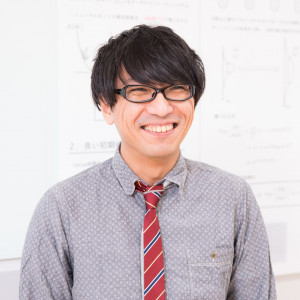


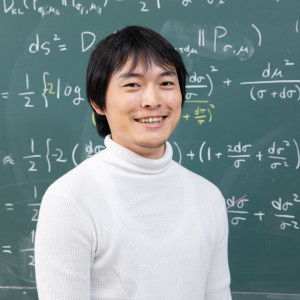
AI for Science Summer School
August 25 (Tue) - 27 (Thu) 2026
Masato Taki (Associate Professor, Graduate School of Artificial Intelligence and Science, Rikkyo University)
Lingxiao Wang (Deputy Team Director, AI as Science Team, Division of Applied Mathematical Science, RIKEN Center for Interdisciplinary Theoretical and Mathematical Sciences (iTHEMS))
Vinicius Massami Mikuni (Associate Professor, Kobayashi-Maskawa Institute for the Origin of Particles and the Universe (KMI), Nagoya University)
Naoya Takeishi (Lecturer, The Research Center for Advanced Science and Technology, The University of Tokyo)
Conglong Li (Senior Research Scientist, Google DeepMind, UK)
Akinori Tanaka (Senior Research Scientist, RIKEN Center for Advanced Intelligence Project (AIP))
Summer school for modern AI methods and their applications in scientific discovery.
We want to answer the questions in AI for Science,
Why do you need AI for your research?
Which AI is most suitable for your needs?
How can you use AI properly for your task?
The school will cover both lectures and hands-on coding sessions, with topics including machine learning basics, generative models, Bayesian and simulation-based inference, foundation models and LLM agents.
The problems include, experiment-to-phenomenology (inference and prediction), computation (generation), theory (auto-workflow and Co-Scientist), etc.
Venue: #435-437, 4F, Main Research Building, RIKEN Wako Campus / via Zoom
Event Official Language: English
Lecture

iTHEMS-UTokyo Intensive Lectures on Quantum Gravity
August 31 (Mon) - September 2 (Wed) 2026
Hikaru Kawai (Visiting Professor, Nambu Yoichiro Institute of Theoretical and Experimental Physics (NITEP), Osaka Metropolitan University)
iTHEMS-UTokyo Intensive Lectures on Quantum Gravity
(10th Quantum Gravity Gatherings Lecture Series)
The 10th QGG Lecture Series is a special three-day installment of the intensive lecture series organized by the Quantum Gravity Gatherings (QGG) study group at RIKEN iTHEMS. This celebratory edition will feature Professor Hikaru Kawai from Nambu Yoichiro Institute of Theoretical and Experimental Physics (NITEP), who will deliver a series of lectures on themes related to quantum gravity.
This lecture series will follow a style similar to Prof. Kawai's first QGG lectures, held three years ago at RIKEN (Wako) as the inaugural QGG event, which explored fundamental questions in quantum gravity, string theory, and the quantum universe. A distinctive feature of this 10th installment is that it will take place on the Komaba campus of The University of Tokyo, where one of the iTHEMS satellite offices is located. This will be the first QGG lecture series held outside Wako, with the aim of making the event more accessible to a broader group of participants.
Format:
Lectures will be given mainly in blackboard style and in English, encouraging active participation and in-depth Q&A discussions.
Poster sessions will also be held, giving participants an opportunity to present their own work or topics of interest. These sessions are intended to foster communication and stimulate the exchange of ideas among participants.
This event will take place in person only.
Target audience:
Senior scholars, early-career researchers, and students are all warmly welcome.
Registration deadline:
July 31, 2026
Venue: 21 Komaba Center for Educational Excellence (21 KOMCEE) East Building, Room K214, Komaba Campus, The University of Tokyo
Event Official Language: English
Colloquium

Efficient iBF: Balanced Integration of Fragmented Matching Markets for Welfare Improvement
September 4 (Fri) 15:30 - 17:00, 2026
Fuhito Kojima (Professor, Department of Economics, The University of Tokyo)
Matching markets often suffer from fragmentation, which leads to inefficiency. We model a fragmented market in a school-choice context and offer a practically relevant method for integration. Specifically, each student and school belong to a region, and we allow for inter-regional transfer of students with "balancedness" constraint: a matching is said to be balanced if, for each region, the outflow of students from that region to other regions is equal to the inflow of students from the latter to the former. Using a directed bipartite graph defined on students and schools, we characterize the set of Pareto efficient matchings among those that are individually rational, balanced and fair (efficient iBF). We also provide a class of polynomial-time algorithms to compute such matchings. When each region favors local students in their priority, the outcome of an algorithm from this class weakly improves student welfare upon the outcome where each region independently uses the deferred acceptance mechanism. Various real-life examples of fragmentation are discussed, and we illustrate how our method would address the issue.
Reference
- Yuichiro Kamada and Fuhito Kojima, Efficient iBF: Balanced Integration of Fragmented Matching Markets for Welfare Improvement, (2025)
Venue: Okochi Hall, 1F Laser Science Laboratory, RIKEN / via Zoom
Event Official Language: English
Lecture
The 11th Intensive Lectures on Quantum Gravity
September 7 (Mon) - 9 (Wed) 2026
Yasuyuki Hatsuda (Associate Professor, Department of Physics, Faculty of Science, Rikkyo University)
In the 11th event of the Intensive Lecture Series, organized by the Quantum Gravity Gatherings (QGG) study group at RIKEN iTHEMS, we will have Prof. Yasuyuki Hatsuda from Rikkyo University, who will deliver a three-day lecture series on the analytic methods in black hole perturbation theory.
Black hole perturbation theory plays a very important role in the developments of modern physics. For instance, in gravitational wave astronomy, it can describe the ringdown phase during the merger events of binary black holes. As the frequency and decay rate of each quasinormal mode are unique to the remnant black hole, one can test extreme-gravity physics by extracting those modes from the ringdown signal. In addition, the computation of black hole quasinormal modes based on black hole perturbation theory has relations connecting to conformal field theories and even to the computations of tidal Love numbers. With the broad applications, we expect this lecture series to provide fresh perspectives to researchers across a wide range of fields and to inspire new directions in their own research.
The lectures will be delivered in a blackboard-style format (in English), designed to foster interaction, active participation, and in-depth Q&A discussions. In addition, short talk sessions will be held, giving participants the opportunity to present briefly on topics of their choice. Through this informal and dynamic setting, we hope to spark active interactions among participants and create an environment where ideas can be shared openly and enthusiastically.
This event will take place in person only.
Target audience:
Senior scholars, early-career researchers, and students are all warmly welcome.
Registration deadline:
July 31, 2026
Venue: #435-437, 4F, Main Research Building, RIKEN Wako Campus
Event Official Language: English
Seminar

Primtive form of singularity and mirror symmetry
September 11 (Fri) 15:30 - 17:30, 2026
Zhe Wang (Research Scientist, Division of Fundamental Mathematical Science, RIKEN Center for Interdisciplinary Theoretical and Mathematical Sciences (iTHEMS))
In 1980s, K. Saito introduced the primitive forms in his study of periods as to generalize the elliptic period integral theory to higher dimensions. An important consequence was that there exists a flat structure on the space of universal unfolding of a singularity. Later after Witten proposed his famous conjecture relating the intersection theory on moduli space to the integrable hierarchy, this flat structure was re-discovered by Dubrovin, and nowadays it is referred as a Frobenius mafniold structure. Frobenius mafniolds provide a convenient tool for formulating the mirror symmetry, which was a special type of duality among string theories orginally studied by physicits. In this talk, I will explain the related constructions, and show by examples how the study of primitive forms gives prediction of geometric quantities such as Gromov-Witten invariants.
Venue: #359, 3F, Seminar Room #359, 3F Main Research Building, RIKEN / via Zoom
Event Official Language: English
Workshop

Majorana Modes: Fundamentals, Status & Directions
October 13 (Tue) - 16 (Fri) 2026
Workshop Overview
Majorana modes lie at the heart of contemporary condensed-matter physics, exhibiting non-Abelian exchange statistics; when protected by topology, they are robust against environmental perturbations. Here, “Majorana mode” is used broadly to include a localized zero-energy Majorana state (a Majorana zero mode) and chiral Majorana edge states with gapless dispersion crossing zero energy.
This three-day in-person workshop returns to fundamentals and open questions. It opens with a tutorial session on the afternoon of October 13 for non-experts and adjacent fields, and emphasizes rigorous theory–experiment dialogue, robust methodology, and concrete benchmarks for realizing and testing Majorana modes.
Participants
Experimentalists and theorists working on Majorana modes
Researchers in adjacent fields (quantum materials, superconductivity, mesoscopic physics)
Graduate students and postdocs interested in entering the field
Topics include (non-exhaustive)
Majorana zero modes in a variety of nanostructures
Chiral Majorana edge states in quantum spin liquids and other platforms
Disorder, interactions, and realistic device modeling
Experimental diagnostics and “smoking gun” signatures
Topological Quantum Spin Systems
Venue: Okochi Hall, 1F Laser Science Laboratory, RIKEN
Event Official Language: English
Seminar

AI and Scientific Discovery
October 19 (Mon) 13:00 - 14:00, 2026
Joseph Ledsam (Google Health Lead, Japan, Google Japan)
Artificial intelligence is having a transformative impact on health and scientific discovery. This presentation will trace the evolution from foundational breakthroughs to the sophisticated capabilities of today's large-scale AI models. It will explore how these advanced systems are creating new possibilities across the healthcare landscape, from accelerating therapeutic development to enhancing diagnostic processes and interpreting complex medical data. The session will also take a deeper look at the future possibilities for AI in health and explore the emerging role of agentic AI in scientific discovery. The core theme is the responsible development of AI to create tools that assist scientists, support healthcare professionals, and empower users.
Bio:
Dr Joseph Ledsam leads Google Health in Japan, where he works across AI research, digital health and health in Google products. He has led research in medical AI, genomics and drug discovery published in journals including Nature, Nature Medicine and Nature Methods. Before moving to Japan he worked as a medical doctor in the UK, and founded the Health Research and Genomics teams in Google DeepMind. He obtained his medical degree from The University of Leeds, UK, and was a research fellow at University College London during his clinical residency.
Venue: #435-437, Main Research Building, RIKEN Wako Campus / via Zoom
Event Official Language: English
Workshop
KEK(-iTHEMS) Theory Workshop 2026
November 25 (Wed) - 27 (Fri) 2026
Hirotaka Hayashi (Professor, Department of Physics, School of Science, Tokai University)
Hikaru Kawai (Visiting Professor, Nambu Yoichiro Institute of Theoretical and Experimental Physics (NITEP), Osaka Metropolitan University)
Takato Mori (Assistant Professor, Department of Physics, Faculty of Science, Rikkyo University)
Masaya Nakagawa (Assistant Professor, Department of Physics, Graduate School of Science, The University of Tokyo)
Masaki Shigemori (Professor, Department of Physics, Graduate School of Science, Nagoya University)
Tadashi Takayanagi (Professor, Yukawa Institute for Theoretical Physics, Kyoto University)
Norihiro Tanahashi (Program-Specific Associate Professor, Department of physics, Graduate School of Science, Kyoto University)
Tatsuya Yamaoka (Ph.D. Student, Department of Physics, Graduate School of Science, The University of Osaka)
The KEK Theory Workshop is an annual workshop on string theory and quantum field theory.
Since 2014, it has been held every winter as an international workshop and has become one of the major annual events in the high-energy physics community in Japan.
This year’s workshop will be held on site at the KEK Tsukuba Campus from November 25 to 27, and it will be jointly organized with RIKEN iTHEMS.
The workshop this year aims to provide a forum for extensive discussions on recent developments in string theory, matrix models, gauge/gravity duality, black-hole microstates, lattice constructions of chiral gauge theories, and open quantum systems.
Venue: Seminar Hall, Building 3, KEK Tsukuba Campus
Register: Event registration form
Event Official Language: English
Upcoming Visitor
July 30 (Thu) - 31 (Fri) 2026 Luca MarchettiProject Researcher, Kavli Institute for the Physics and Mathematics of the Universe (Kavli IPMU) Visiting Place: Main Research Building |
Paper of the Week
Week 4, July 2026
2026-07-23
Title: Interacting Dark Energy and Dark Matter in O(3) No-Scale Gravity
Author: Lincoln da S. Pereira, Muzi Hong, Elisa G. M. Ferreira, Tsutomu T. Yanagida
arXiv: http://arxiv.org/abs/2607.20320v1
Title: Gravitational waves from self-resonance during reheating with a quantum-corrected inflaton potential
Author: Tomoya Inada, Noel Jonathan Jobu, Kenji Nishiwaki, Toshifumi Noumi, Naoki Yamatsu
arXiv: http://arxiv.org/abs/2607.18381v1
If you would like to cancel your subscription or change your email address,
please let us know via our contact form.
Copyright © iTHEMS, RIKEN. All rights reserved.