
Volume 414
Back to Newsletter List


Volume 414
June 26, 2026
Press Release
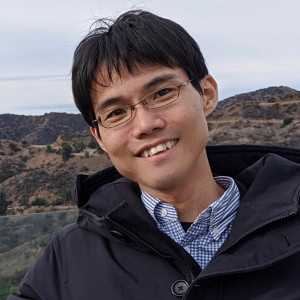
Tracing the Origin of the “Freely Chosen Numbers” Appearing in the Laws of Nature
2026-06-24
An international research team including Yuya Kusuki, Visiting Scientist at iTHEMS (Associate Professor, Institute for Advanced Study, Kyushu University), analyzed a situation in which two conformal field theories are connected through an interface.
The researchers showed that, by appropriately extracting the response to a small deformation of the interface, one can obtain a local operator that captures the difference between the two theories. They also provided an explicit method for constructing such operators.
This result lends support to the conjecture that quantum gravity does not admit continuous parameters that can be freely chosen from the outside, and is expected to contribute to a deeper understanding of fundamental issues in quantum gravity.
For further details, please see the press release from Kyushu University.
Upcoming Events
Seminar

Primitive Ideals and Hilbert Space Representations of Quantized Coordinate Algebras of Complex Semisimple Lie Groups
June 26 (Fri) 16:30 - 18:00, 2026
Heon Lee (Postdoc Researcher, Institute for Advanced Study in Mathematics, Harbin Institute of Technology, Republic of Korea)
The primitive ideals of the coordinate algebra $ \mathcal{O} ( G ) $ of a complex semisimple Lie group $ G $ are in bijection with the points of $ G $, via the correspondence assigning to each point of $ G $ the kernel of the associated evaluation homomorphism on $ \mathcal{O} ( G ) $. This establishes a direct link between the algebraic structure of $ \mathcal{O} ( G ) $ and the geometry of $ G $.
In this talk, we investigate the quantum analogue of this classical relationship for the $ q $-deformation $ G_q $. Specifically, we establish a sharp dichotomy: primitive ideals in homogeneous Joseph strata arise as kernels of irreducible representations of $ \mathcal{O} ( G_q ) $ by bounded operators on Hilbert spaces, which provide a quantum analogue of evaluation homomorphisms at points of $ G $, whereas those in inhomogeneous Joseph strata do not. This clarifies the extent to which the primitive spectrum of $ \mathcal{O} ( G_q ) $ can be accessed through operator-theoretic methods. We also analyze the semiclassical consequences of this result in light of the fact that the primitive ideals of $ \mathcal{O} ( G_q ) $ are parametrized by the symplectic leaves of the natural Poisson structure on $ G $.
This talk is based on joint work with Christian Voigt.
Venue: via Zoom / Seminar Room #359, 3F Main Research Building, RIKEN
Event Official Language: English
Seminar
Phase Transitions as the Breakdown of Statistical Indistinguishability
June 29 (Mon) 15:00 - 16:00, 2026
Hideyuki Miyahara (Associate Professor, Faculty of Information Science and Technology, Hokkaido University)
We introduce a novel characterization of phase transitions based on hypothesis testing. In our formulation, a phase transition is defined as the breakdown of statistical indistinguishability under vanishing parameter perturbations in the thermodynamic limit. This perspective provides a general, order-parameter-free framework that does not rely on model-specific insights or learning procedures. We show that conventional approaches, such as those based on the Binder parameter, can be reinterpreted as special cases within this framework. As a concrete realization, we employ a distribution-free two-sample run test and demonstrate that the critical point of the two-dimensional Ising model is accurately identified without prior knowledge of the order parameter.
Reference
- Taiyo Narita and Hideyuki Miyahara, Phase Transitions as the Breakdown of Statistical Indistinguishability, arXiv: 2604.15773
Venue: Hybrid Format (3F #359 and Zoom), Seminar Room #359, 3F Main Research Building, RIKEN
Event Official Language: English
Lecture

Lectures on Quantum Measurement Theory: IV
June 30 (Tue) 15:30 - 17:00, 2026
Masanao Ozawa (Professor Emeritus, Nagoya University)
Lecture IV: Instruments in classical mechanics, quantum field theory, and cognitive science
In algebraic quantum field theory, measurements describable by interactions between the field and the measuring apparatus are characterized by the class of completely positive instruments that satisfy the condition called the normal extension property (NEP) (Okamura-Ozawa 2016).
In classical mechanics, traditionally only non-invasive measurements—those with trivial interaction—were considered admissible, for the observability of the trajectory of motion. Here, however, the full class of measurements realizable by classical-mechanical interactions is characterized in terms of instruments with NEP for the basis of the study of invasive measurements of classical systems.
Cognitive processes are also represented by completely positive instruments, along with the long-standing paradigm provided by von Helmholtz, who described a sensation-perception process as a sort of measuring interaction and referred to it as an unconscious inference. This framework is used to show the compatibility of the question order effect and the response replicability effect (Ozawa-Khrennikov 2019), which failed to be explained in an earlier approach using only projective measurement models. It is shown that there exists an instrument model, realizing both the question order effect and the response replicability effect, that is also capable of almost faithfully reproducing public-opinion survey data such as the well-known Clinton-Gore survey by Gallup in 1997 (Ozawa-Khrennikov 2021).
Venue: Seminar Room #359, 3F Main Research Building, RIKEN / via Zoom
Event Official Language: English
Seminar
Genome Structural Variation and the Evolutionary Potential of Sex in the Unicellular Green Alga Closterium
July 2 (Thu) 13:00 - 14:00, 2026
Yawako W. Kawaguchi (Postdoctoral Researcher, Molecular Life History Laboratory, National Institute of Genetics)
Genome size varies widely among eukaryotes, even between closely related species and within species. However, we still know relatively little about where such variation originates, how organisms tolerate its potential negative effects, and whether it can contribute to adaptation. In this seminar, I will present our studies on the unicellular green alga Closterium peracerosum–strigosum–littorale complex. I will first show that genome size variation in this alga is largely explained by extensive genome-wide copy number variation, and that gene expression can be buffered against changes in gene copy number. I will then show that a single episode of sexual reproduction can generate substantial variation in population growth rates under dual environmental stressors, with some F1 populations growing even when both parental strains decline. Finally, I will discuss how sexual reproduction may drive rapid evolutionary change not only by reshuffling alleles, but also by rearranging genome structure.
Venue: Seminar Room #359, 3F Main Research Building, RIKEN / via Zoom
Event Official Language: English
Seminar

Cosmic-ray bath in a past supernova gives birth to Earth-like planets
July 3 (Fri) 14:00 - 15:15, 2026
Ryo Sawada (Special Postdoctoral Researcher, Division of Fundamental Mathematical Science, RIKEN Center for Interdisciplinary Theoretical and Mathematical Sciences (iTHEMS))
A key question in astronomy is how ubiquitous Earth-like rocky planets are. The formation of terrestrial planets in our Solar System was strongly influenced by the radioactive decay heat of short-lived radionuclides (SLRs), particularly 26 Al (aluminum-26), likely delivered from nearby supernovae. However, current models struggle to reproduce the abundance of SLRs inferred from meteorite analysis without destroying the protosolar disk. We propose the "immersion" mechanism, where cosmic-ray nucleosynthesis in a supernova shockwave reproduces estimated SLR abundances at a supernova distance (~1 parsec), preserving the disk. We estimate that solar mass stars in star clusters typically experience at least one such supernova within 1 parsec, supporting the feasibility of this scenario. This suggests that Solar System─like SLR abundances and terrestrial planet formation are more common than previously thought.
Venue: #424-426, Main Research Building, RIKEN Wako Campus
Event Official Language: English
Seminar

Thom polynomials relative to prescribed maps around the boundary
July 3 (Fri) 15:00 - 17:30, 2026
Masato Tanabe (Special Postdoctoral Researcher, Division of Fundamental Mathematical Science, RIKEN Center for Interdisciplinary Theoretical and Mathematical Sciences (iTHEMS))
Thom polynomials are universal cohomological obstructions to the appearance of singularities of given types in differentiable maps. Introduced by R. Thom in the 1950s, they have been extensively studied ever since. In the first half of this talk, I would like to recall their theory with introduction of algebro-topological materials.
In the second half, I would also like to talk about applications of Thom polynomials to topology of non-singular maps. Since this century, various invariants of immersions/embeddings have been expressed in terms of singularities of their extensions (a.k.a. singular Seifert surfaces). However, those formulas are obtained in different forms and remain somewhat scattered.
As the first step to unify them, I would like to introduce Thom polynomials relative to prescribed maps around the boundary. As a main result, we show a structure theorem of Thom polynomials relative to framable immersions. In fact, most earlier formulas are summarized as the vanishing of "correction terms" appearing in the structure theorem.
This is an advanced seminar for mathematical researchers.
Venue: Seminar Room #359, Seminar Room #359, 3F Main Research Building, RIKEN / via Zoom
Event Official Language: English
Seminar
Toward an understanding of microbial circulation in the Mongolian nomadic ecosystem
July 6 (Mon) 13:00 - 14:00, 2026
Akari Shinoda (Assistant Professor, Faculty of Environmental, Life, Natural Science and Technology, Okayama University)
I have been studying microorganisms in the Mongolian nomadic ecosystem from several perspectives. First, I seek to characterize the microbial communities in traditional fermented dairy products—most notably airag (fermented mare's milk)—and their features. Second, I am analyzing the relationship between the traditional Mongolian diet and the gut microbiome. Third, focusing on environmental microorganisms (bioaerosols) in regions undergoing desertification, I aim to trace their origins and atmospheric transport. In the course of these studies, I have come to suspect that microorganisms may circulate among humans, livestock, fermented foods, and the environment. In this research, I aim to understand such microbial circulation by combining approaches from each of these perspectives and by investigating the relationships among these elements. In this talk, I will provide an overview of each topic and discuss the potential of an interdisciplinary approach that connects them.
Venue: Seminar Room #359, 3F Main Research Building, RIKEN / via Zoom
Event Official Language: English
Seminar
Overview of quantum error correcting codes
July 7 (Tue) 15:00 - 16:30, 2026
Takaya Matsuura (Postdoctoral Researcher, Quantum Computing Theory Research Team, RIKEN Center for Quantum Computing (RQC))
Venue: Seminar Room #359, 3F Main Research Building, RIKEN / via Zoom
Event Official Language: English
Seminar
Multi-field Inflation with spectator Axions
July 9 (Thu) 14:00 - 16:00, 2026
Diederik Roest (Professor, Van Swinderen Institute for Particle Physics and Gravity, University of Groningen, Netherlands)
We will review the inflationary paradigm, with a focus on multi-field inflation. We then propose a generic mechanism in which a light axion spectator reshapes inflationary observables through purely gravitational multi‑field dynamics. In this scenario, the axion is frozen during inflation and starts rolling towards the end, inducing a turn in field space and transient tachyonic phases of the isocurvature mode. This generates a nearly scale‑invariant enhancement of the curvature power spectrum, suppressing the tensor‑to‑scalar ratio and shifting the scalar tilt to a weighted combination of adiabatic and entropic tilts at horizon crossing. We show that these effects can reconcile otherwise disfavored inflaton potentials with current CMB constraints, and predict order-one non-Gaussianities.
Venue: Seminar Room #359, 3F Main Research Building, RIKEN / via Zoom
Event Official Language: English
Colloquium

How did we come to be? — Particle Physics for the Next Decades —
July 10 (Fri) 15:30 - 17:00, 2026
Hitoshi Murayama (Professor, Kavli Institute for the Physics and Mathematics of the Universe (Kavli IPMU), The University of Tokyo / Professor, Department of Physics, University of California, Berkeley, USA)
Particle Physics is a study of the smallest and the biggest to uncover the fundamental laws that govern the universe. In recent years, both the United States and Europe have been through long-range planning processes. The future plans worldwide include the studies of (1) neutrinos that may have saved us from a complete annihilation, (2) the Higgs boson that keeps us in one piece, (3) dark matter that assembled us from the primordial soup, (4) inflation that created the macroscopic universe, and (5) the exploration of unknown particles and forces. It requires development of mind-boggling technologies.
Venue: Okochi Hall, 1F Laser Science Laboratory, RIKEN / via Zoom
Event Official Language: English
Colloquium

The 33th MACS Colloquium
July 17 (Fri) 14:45 - 18:00, 2026
Hajime Naruse (Professor, Division of Earth and Planetary Sciences, Graduate School of Science, Kyoto University)
Yohsuke Murase (Team Director, Mathematical Social Science Team, Division of Applied Mathematical Science, RIKEN Center for Interdisciplinary Theoretical and Mathematical Sciences (iTHEMS))
14:45-15:00 Teatime Discussion
15:00-16:00 Hajime Naruse (Professor, Department of Geophysics, Graduate School of Science, Kyoto University)
"What Do Sedimentary Layers Remember? Exploring Past Earth Environments through Machine Learning"
16:15-17:15 Yosuke Murase (Team Director, Center for Interdisciplinary Theoretical and Mathematical Sciences (iTHEMS), RIKEN)
"Mathematics of Cooperation in Society: The Evolution of Cooperation through Direct and Indirect Reciprocity"
17:15-18:00 Discussion
Venue: Science Seminar House (Map 9), Kyoto University
Event Official Language: Japanese
Workshop


Workshop on Discrete & Continuous Aspects of Reaction-Diffusion in Pattern Formation (DiCoRD2026)
July 22 (Wed) - 24 (Fri) 2026
Ryoko Oishi-Tomiyasu (Professor, Institute of Mathematics for Industry, Kyushu University)
Makoto Sato (Professor, Kanazawa University)
Nobuhiko Suematsu (Professor, School of Interdisciplinary Mathematical Sciences, Meiji University)
Yasumasa Nishiura (Professor Emeritus, Hokkaido University)
Riccardo Muolo (Special Postdoctoral Researcher, Division of Fundamental Mathematical Science, RIKEN Center for Interdisciplinary Theoretical and Mathematical Sciences (iTHEMS))
Jonathan Dawes (Professor, University of Bath, UK)
Henrik Weyer (Postdoctoral Scholar, University of California, Santa Barbara, USA)
Yuzuru Kato (Associate Professor, Department of Complex and Intelligent Systems, School of Systems Information Science, Future University-Hakodate)
Ayumi Ozawa (Young Research Fellow, Japan Agency for Marine-Earth Science and Technology (JAMSTEC))
Takanori Sugimoto (Associate Professor, Faculty of Engineering Science, Kansai University)
Natsuhiko Yoshinaga (Professor, School of Systems Information Science, Future University-Hakodate)
Jens Rademacher (Professor, University of Hamburg, Germany)
Takeshi Fukao (Professor, Faculty of Advanced Science and Technology, Ryukoku University)
Yoshitaro Tanaka (Associate Professor, School of Systems Information Science, Future University-Hakodate)
Shuji Ishihara (Project Associate Professor, The University of Tokyo)
Hiroshi Ishii (Assistant Professor, Research Institute for Electronic Science, Hokkaido University)
Takeshi Watanabe (Associate Professor, Nagano University)
Antoine Diez (Research Scientist, Mathematical Application Research Team, Division of Applied Mathematical Science, RIKEN Center for Interdisciplinary Theoretical and Mathematical Sciences (iTHEMS))
Venue: via Zoom / Research Seminar Room 3, 6F, High-Rise Building, Meiji University (Nakano Campus)
Event Official Language: English
Seminar

The decision intelligence of humans and machines
July 24 (Fri) 10:30 - 11:30, 2026
Petter Holme (Professor, Department of Computer Science, Aalto University, Finland)
The event has been rescheduled from July 22 to July 24.
To understand our near-future of artificial intelligence firmly integrated into many levels of social life, a challenge is to understand the differences and similarities between human and AI decision-making. In controlled laboratory settings assessing risk and uncertainty, LLMs demonstrate superhuman efficiency but fundamentally diverge from human behavior through a rigid hyper-rationality and an inability to disengage from obsolete strategies. However, when applied to messy, real-world dilemmas "in the wild," these models pivot to function as highly effective "satisficers". Human subjects consistently prefer this artificial counsel over human peer advice, noting its ability to carefully balance emotional context with logical constraints while actively reducing anxiety and regret. Ultimately, this synthesis shows that while AI can offer near-optimal laboratory performance and therapeutic impact in daily life, they also have a distinct lack of behavioral plasticity that we need to account for in models of the future.
Venue: Seminar Room #359, 3F Main Research Building, RIKEN / via Zoom
Event Official Language: English
Colloquium

Hidden Networks: From Phase Reductions to Effective Network Interactions
August 24 (Mon) 15:30 - 17:00, 2026
Christian Bick (Associate Professor, Department of Mathematics, Vrije Universiteit Amsterdam, Netherlands)
From networks of interconnected neurons in the brain to coupled electrochemical reactions: The collective dynamics of interacting dynamical systems shape the function (or dysfunction) of many systems that are critical for our everyday lives. For coupled oscillatory processes, synchronization is a prime example of emergent collective dynamics. But how oscillators interact is not necessarily obvious from (physical) connections between the oscillators. Here we look at phase reductions as a way to uncover the hidden 'effective' network interactions for coupled oscillators dynamics. On the one hand, these give insight into when oscillators do and do not interact (despite a link). On the other hand, they elucidate when and how nonpairwise higher-order interactions shape synchronization phenomena in coupled oscillator networks.
Venue: Okochi Hall, 1F Laser Science Laboratory, RIKEN / via Zoom
Event Official Language: English
Lecture

iTHEMS-UTokyo Intensive Lectures on Quantum Gravity
August 31 (Mon) - September 2 (Wed) 2026
Hikaru Kawai (Visiting Professor, Nambu Yoichiro Institute of Theoretical and Experimental Physics (NITEP), Osaka Metropolitan University)
iTHEMS-UTokyo Intensive Lectures on Quantum Gravity
(10th Quantum Gravity Gatherings Lecture Series)
The 10th QGG Lecture Series is a special three-day installment of the intensive lecture series organized by the Quantum Gravity Gatherings (QGG) study group at RIKEN iTHEMS. This celebratory edition will feature Professor Hikaru Kawai from Nambu Yoichiro Institute of Theoretical and Experimental Physics (NITEP), who will deliver a series of lectures on themes related to quantum gravity.
This lecture series will follow a style similar to Prof. Kawai's first QGG lectures, held three years ago at RIKEN (Wako) as the inaugural QGG event, which explored fundamental questions in quantum gravity, string theory, and the quantum universe. A distinctive feature of this 10th installment is that it will take place on the Komaba campus of The University of Tokyo, where one of the iTHEMS satellite offices is located. This will be the first QGG lecture series held outside Wako, with the aim of making the event more accessible to a broader group of participants.
Format:
Lectures will be given mainly in blackboard style and in English, encouraging active participation and in-depth Q&A discussions.
Poster sessions will also be held, giving participants an opportunity to present their own work or topics of interest. These sessions are intended to foster communication and stimulate the exchange of ideas among participants.
This event will take place in person only.
Target audience:
Senior scholars, early-career researchers, and students are all warmly welcome.
Registration deadline:
July 31, 2026
Venue: 21 Komaba Center for Educational Excellence (21 KOMCEE) East Building, Room K214, Komaba Campus, The University of Tokyo
Event Official Language: English
Colloquium

Efficient iBF: Balanced Integration of Fragmented Matching Markets for Welfare Improvement
September 4 (Fri) 15:30 - 17:00, 2026
Fuhito Kojima (Professor, Department of Economics, The University of Tokyo)
Matching markets often suffer from fragmentation, which leads to inefficiency. We model a fragmented market in a school-choice context and offer a practically relevant method for integration. Specifically, each student and school belong to a region, and we allow for inter-regional transfer of students with "balancedness" constraint: a matching is said to be balanced if, for each region, the outflow of students from that region to other regions is equal to the inflow of students from the latter to the former. Using a directed bipartite graph defined on students and schools, we characterize the set of Pareto efficient matchings among those that are individually rational, balanced and fair (efficient iBF). We also provide a class of polynomial-time algorithms to compute such matchings. When each region favors local students in their priority, the outcome of an algorithm from this class weakly improves student welfare upon the outcome where each region independently uses the deferred acceptance mechanism. Various real-life examples of fragmentation are discussed, and we illustrate how our method would address the issue.
Reference
- Yuichiro Kamada and Fuhito Kojima, Efficient iBF: Balanced Integration of Fragmented Matching Markets for Welfare Improvement, (2025)
Venue: Okochi Hall, 1F Laser Science Laboratory, RIKEN / via Zoom
Event Official Language: English
Lecture
The 11th Intensive Lectures on Quantum Gravity
September 7 (Mon) - 9 (Wed) 2026
Yasuyuki Hatsuda (Associate Professor, Department of Physics, Faculty of Science, Rikkyo University)
In the 11th event of the Intensive Lecture Series, organized by the Quantum Gravity Gatherings (QGG) study group at RIKEN iTHEMS, we will have Prof. Yasuyuki Hatsuda from Rikkyo University, who will deliver a three-day lecture series on the analytic methods in black hole perturbation theory.
Black hole perturbation theory plays a very important role in the developments of modern physics. For instance, in gravitational wave astronomy, it can describe the ringdown phase during the merger events of binary black holes. As the frequency and decay rate of each quasinormal mode are unique to the remnant black hole, one can test extreme-gravity physics by extracting those modes from the ringdown signal. In addition, the computation of black hole quasinormal modes based on black hole perturbation theory has relations connecting to conformal field theories and even to the computations of tidal Love numbers. With the broad applications, we expect this lecture series to provide fresh perspectives to researchers across a wide range of fields and to inspire new directions in their own research.
The lectures will be delivered in a blackboard-style format (in English), designed to foster interaction, active participation, and in-depth Q&A discussions. In addition, short talk sessions will be held, giving participants the opportunity to present briefly on topics of their choice. Through this informal and dynamic setting, we hope to spark active interactions among participants and create an environment where ideas can be shared openly and enthusiastically.
This event will take place in person only.
Target audience:
Senior scholars, early-career researchers, and students are all warmly welcome.
Registration deadline:
July 31, 2026
Venue: #435-437, 4F, Main Research Building, RIKEN Wako Campus
Event Official Language: English
Workshop

Majorana Modes: Fundamentals, Status & Directions
October 13 (Tue) - 16 (Fri) 2026
Workshop Overview
Majorana modes lie at the heart of contemporary condensed-matter physics, exhibiting non-Abelian exchange statistics; when protected by topology, they are robust against environmental perturbations. Here, “Majorana mode” is used broadly to include a localized zero-energy Majorana state (a Majorana zero mode) and chiral Majorana edge states with gapless dispersion crossing zero energy.
This three-day in-person workshop returns to fundamentals and open questions. It opens with a tutorial session on the afternoon of October 13 for non-experts and adjacent fields, and emphasizes rigorous theory–experiment dialogue, robust methodology, and concrete benchmarks for realizing and testing Majorana modes.
Participants
Experimentalists and theorists working on Majorana modes
Researchers in adjacent fields (quantum materials, superconductivity, mesoscopic physics)
Graduate students and postdocs interested in entering the field
Topics include (non-exhaustive)
Majorana zero modes in a variety of nanostructures
Chiral Majorana edge states in quantum spin liquids and other platforms
Disorder, interactions, and realistic device modeling
Experimental diagnostics and “smoking gun” signatures
Topological Quantum Spin Systems
Venue: Okochi Hall, 1F Laser Science Laboratory, RIKEN
Register: Event registration form
Event Official Language: English
Seminar

AI and Scientific Discovery
October 19 (Mon) 13:00 - 14:00, 2026
Joseph Ledsam (Google Health Lead, Japan, Google Japan)
Artificial intelligence is having a transformative impact on health and scientific discovery. This presentation will trace the evolution from foundational breakthroughs to the sophisticated capabilities of today's large-scale AI models. It will explore how these advanced systems are creating new possibilities across the healthcare landscape, from accelerating therapeutic development to enhancing diagnostic processes and interpreting complex medical data. The session will also take a deeper look at the future possibilities for AI in health and explore the emerging role of agentic AI in scientific discovery. The core theme is the responsible development of AI to create tools that assist scientists, support healthcare professionals, and empower users.
Bio:
Dr Joseph Ledsam leads Google Health in Japan, where he works across AI research, digital health and health in Google products. He has led research in medical AI, genomics and drug discovery published in journals including Nature, Nature Medicine and Nature Methods. Before moving to Japan he worked as a medical doctor in the UK, and founded the Health Research and Genomics teams in Google DeepMind. He obtained his medical degree from The University of Leeds, UK, and was a research fellow at University College London during his clinical residency.
Venue: #435-437, Main Research Building, RIKEN Wako Campus / via Zoom
Event Official Language: English
Upcoming Visitor
June 29 (Mon) - July 7 (Tue) 2026 Junichi HarunaProgram-Specific Researcher, Graduate School of Informatics, Kyoto University Visiting Place: Main Research Building |
Paper of the Week
Week 4, June 2026
2026-06-25
Title: Time-dependent weighted directed networks of cryptocurrency interaction from high-frequency returns
Author: Shubhangam Shukla, Mahesh Peyyala, Abhijit Chakraborty
arXiv: http://arxiv.org/abs/2606.25466v1
Title: Time-reversal symmetric topological superconductivity in Machida-Shibata lattices
Author: Ioannis Ioannidis, Ching-Kai Chiu, Thore Posske
arXiv: http://arxiv.org/abs/2504.08674v2
Title: Neutrinoless double $β$ decay and leptogenesis in seesaw model
Author: Kazuo Fujikawa
arXiv: http://arxiv.org/abs/2606.24109v1
Title: Conformal blocks, parenthesized braid operad, and $c=1/2$ Virasoro vertex operator algebra
Author: Yuto Moriwaki
arXiv: http://arxiv.org/abs/2606.23076v1
Title: Microscopic mechanism of the Fayans pairing for the enhancement of charge radii
Author: Tomoya Naito, Gianluca Colò, Xavier Roca-Maza, Hiroyuki Sagawa, Enrico Vigezzi
arXiv: http://arxiv.org/abs/2606.21491v1
Title: Mechanistic mathematical model of the in vitro infection dynamics of Bunyamwera and Batai viruses including MOI-dependent shortening of the eclipse phase
Author: Bevelynn Whaler, Eleanor Todd, Amelia B. Shaw, John N. Barr, Catherine A. A. Beauchemin, Grant Lythe, Carmen Molina-Paris, Martin Lopez-Garcia
arXiv: http://arxiv.org/abs/2606.21481v1
Title: Quantum Simulation of Generalized Parton Distributions in the Schwinger Model
Author: Tianyin Li, Hongxi Xing
arXiv: http://arxiv.org/abs/2606.22602v1
Title: Macroscopic Black-Hole Remnants in a Nonlocal Field Theory: Towards Hawking Radiation in SFT
Author: Feng-Yin Cheng, Pei-Ming Ho, Wei-Hsiang Shao
arXiv: http://arxiv.org/abs/2606.20314v1
If you would like to cancel your subscription or change your email address,
please let us know via our contact form.
Copyright © iTHEMS, RIKEN. All rights reserved.