
Volume 356
Back to Newsletter List


Volume 356
May 23, 2025
Award

Yoshimasa Hidaka received the 25th Soryushi Medal for his unified description of the Nambu-Goldstone theorem
2025-05-22
Yoshimasa Hidaka, our Deputy Director, is awarded 25th SORYUSHI MEDAL (Paricle Physics Medal) from Japanese Particle Theory Community. The title of the achievement is “Unified Description of the Nambu-Goldstone Theorem”.
The award will be presented at the 80th Annual Meeting of the Physical Society of Japan, to be held at Hiroshima University from September 16 to 19, 2025.
Congratulations!!
Award

Haruki Emori received the “Second Prize”
2025-05-22
Our colleague Haruki Emori (Junior Research Associate, iTHEMS) has received the “Second Prize’” in the Poster Session for the Quantinuum 2025 May Training Session. The outstanding presentation poster is entitled “Quantum algorithm for implementing arbitrary quantum instruments based on parameterized quantum circuits”.
Congratulations, Haruki!
Seminar Report

Report on the seminar “Universality class for driven interfaces and... integrable spin hydrodynamics?” by Kazumasa A. Takeuchi on May 19, 2025
2025-05-22
On 19 May 2025, Professor Kazumasa A. Takeuchi (Univ. of Tokyo) gave an iTHEMS hybrid seminar, “Universality class for driven interfaces and… integrable spin hydrodynamics?” He first gave a review of the one-dimensional KPZ universality class, highlighting exact Tracy–Widom statistics, geometry-dependent subclasses, and elegant experiments with electrically driven nematic-liquid-crystal fronts. A “KPZ Huygens principle” was proposed to unify these results. He then unveiled a recent surprise: equilibrium fluctuations of isotropic integrable spin chains display KPZ-type scaling. Two-point correlations match KPZ predictions, though non-2pt quantities are totally different.
Approximately 60 participants, including those on Zoom, attended the seminar, and the Q&A session was lively and engaging.
Reported by Yoshimasa Hidaka

Universality class for driven interfaces and... integrable spin hydrodynamics?
May 19 (Mon) 15:00 - 17:00, 2025
Researches & Researchers

International and Interdisciplinary Collaboration at the RIKEN-Berkeley Center - Yuuka Kanakubo
2025-05-22
"I’m leaving for the U.S. tomorrow," says Yuuka Kanakubo, who joined iTHEMS in October 2024 as a Postdoctoral Researcher and RIKEN-Berkeley Fellow. Her specialty is elementary particle and nuclear theory. She will be conducting research during a long-term stay at the RIKEN-Berkeley Center, iTHEMS' satellite office. "This position is perfect for me," Kanakubo says. We asked her about her journey so far and what makes this opportunity ideal.
Please see the full article via the related link.
Researches & Researchers

Looking for “Overlap” to Connect - Akihisa Yamamoto
2025-05-20
"I have always walked along the boundaries between different fields," says Research Scientist Akihisa Yamamoto. Currently, he is focusing on the interdisciplinary field between medicine and mathematics, seeking to identify patterns in doctors' experiential knowledge, translating them into mathematical models, and applying them to deepen our understanding of biological phenomena while contributing to clinical practice. We spoke with him about the encounters that led him to this path, as well as the unique challenges and excitement of working at the intersection of disciplines.
Please see the full article via the related link.
Upcoming Events
Math Lecture
Colored Links and Topological Vortex Structures
May 23 (Fri) 16:00 - 17:45, 2025
Toni Annala (Dickson Instructor, Department of Mathematics, The University of Chicago, USA)
Topological vortices are intriguing defects that emerge in a wide range of physical systems, including Bose–Einstein condensates and liquid crystals. In this talk, I will describe how the global structure of such vortices can be captured pictorially using colored link diagrams—or more generally, colored embedded graphs. Through a variety of examples, I will illustrate how this framework can be used to classify and analyze vortex configurations. In particular, I will highlight conditions under which these structures are topologically protected, in the sense that they cannot decay into collections of disjoint loops without destroying the underlying phase of the system. These investigations naturally give rise to new topological invariants of colored links, which can be used to distinguish and classify such vortex structures.
Venue: Seminar Room #359, 3F Main Research Building, RIKEN
Event Official Language: English
Seminar
A review of incompatibility in quantum information science (Topical Review Meeting #1)
May 26 (Mon) 16:00 - 17:30, 2025
Haruki Emori (Ph.D. Student, Graduate School of Information Science and Technology, Hokkaido University)
As the first activity of the Quantum Foundation Study Group, we will hold a Topical Review Meeting. In quantum mechanics and quantum information science, the exploration of “quantumness” is of fundamental importance. One key concept that captures quantumness is “incompatibility”. In this meeting, I will give a review on incompatibility. If time permits, I would also like to introduce some of my recent research on this topic and engage in discussions with the participants.
Venue: Seminar Room #359, 3F Main Research Building, RIKEN / via Zoom
Event Official Language: English
Seminar
Generalized symmetry from Type IIB superstring theory
May 27 (Tue) 16:00 - 17:00, 2025
Masashi Kawahira (Postdoctoral Fellow, Department of Physics, Graduate School of Science, Kobe University)
Recently, generalized symmetries have enabled the systematic analysis of various quantum systems. In this talk, we focus on global generalized symmetries that appear in the low-energy effective theory of type IIB superstring theory (i.e., type IIB supergravity).
Specifically, we highlight the SL(2,ℤ) gauge symmetry (self-duality) in type IIB supergravity. We see that a global ℤ₁₂ eight-form symmetry
arises as the quantum symmetry of the SL(2,ℤ) gauge symmetry. And we discuss its topological operator and its relation to 7-branes.
This talk is based on joint work with Hiroki Wada (Tohoku University) and Naoto Kan (Osaka University).
Venue: Hybrid Format (3F #359 and Zoom), Main Research Building, RIKEN Wako Campus / via Zoom
Event Official Language: English
Seminar

Non-perturbative formulation of resonant quantum mechanics within unified exact WKB framework
May 28 (Wed) 16:00 - 17:30, 2025
Okuto Morikawa (Special Postdoctoral Researcher, Division of Fundamental Mathematical Science, RIKEN Center for Interdisciplinary Theoretical and Mathematical Sciences (iTHEMS))
We study quasi-stationary states in quantum mechanics using the exact WKB analysis as a non-perturbative framework. We explore unstable states such as resonances by analyzing the inverted Rosen-Morse potential, which exhibits barrier resonance. This model allows exact solutions, enabling a direct comparison with exact WKB predictions. We provide a simple analytic picture of resonance and demonstrate consistency between exact and WKB-based results. A unified exact WKB framework is developed for exploring the equivalence and complementarity of different well-established regularizations \`a la Zel'dovich, complex scaling, and rigged Hilbert space within this framework.
Venue: Hybrid Format (3F #359 and Zoom), Seminar Room #359, 3F Main Research Building, RIKEN
Event Official Language: English
Seminar

Ecology and Evolution of Mammal-Microbe Interactions
May 29 (Thu) 16:00 - 17:00, 2025
Taichi A Suzuki (Assistant Professor, Biodesign Center for Health Through Microbiomes, Arizona State University, USA)
A critical open question in microbiome research is identifying key host-microbial interactions that influence host fitness. While the disruption of coevolved host-microbial interactions is known to affect host fitness in simpler systems (e.g., insects and their symbionts), understanding the extent and consequences of host-microbial coevolution in more complex systems (e.g., mammals and their gut microbiota) remains a major challenge. My research has identified multiple species of gut microbes in adults and children that share a parallel evolutionary history with humans by analyzing paired human genotypes and bacterial strain genotypes. In another line of work, I applied a selection experiment demonstrating that selection and transmission of the microbiome and its metabolites can alter mouse locomotion behavior within four rounds of microbiome transfer, without any changes to the mouse genome. Finally, I will briefly outline my future plans to study the effects of disrupting evolutionary stable host-microbial associations on the phenotypes of deer mice (Peromyscus spp.) in the Madrean Sky Islands and genetically diverse human populations in Arizona.
Biosketch:
Assistant Professor at Arizona State University since 2023. MS at University of Arizona, PhD at University of California Berkeley, and Postdoc at Max Planck Institute for Biology. My group integrates evolutionary genomics, microbial ecology, and biomedical research to study host-microbial interactions using wild rodents and humans.
Venue: Hybrid Format (3F #359 and Zoom), Seminar Room #359, 3F Main Research Building, RIKEN / via Zoom
Event Official Language: English
Seminar

Extracting particle mass on quantum computers: state preparation and measurement
June 3 (Tue) 11:00 - 12:30, 2025
Xiaoyang Wang (Postdoctoral Researcher, Quantum Mathematical Science Team, Division of Applied Mathematical Science, RIKEN Center for Interdisciplinary Theoretical and Mathematical Sciences (iTHEMS))
In this seminar, I will introduce the procedure of extracting particle mass from the ab initio calculation using quantum computers, including two essential steps: state preparation and measurement.
For the measurement process, in our recent work "Computing n-time correlation functions without ancilla qubits" [arXiv:2504.12975], we developed a measurement method for correlation functions without ancilla qubits, circumventing longstanding hardware constraints of limited qubit connectivity and short-range control operations. We demonstrate our method using IBM quantum hardware and successfully reproduce the noiseless results of the Schwinger model hadron mass within a relative error of 0.18%, even in the presence of realistic hardware limitations and noise.
For the state preparation process, another work "Performance guarantees of light-cone variational quantum algorithms for the maximum cut problem" [arXiv:2504.12896] focused on the accuracy of the state preparation using variational quantum algorithms (VQAs). We propose a light-cone VQA with provable performance guarantees, whose single round has higher accuracy than the 3-round standard VQA for the maximum cut problem. We experimentally validated the single-round light-cone VQA using IBM quantum hardware with solution accuracy that exceeds the known classical hardness threshold in both a 72-qubit demonstration and a 148-qubit demonstration.
References
- Xiaoyang Wang, Long Xiong, Xiaoxia Cai, Xiao Yuan, Computing n-time correlation functions without ancilla qubits, arXiv: 2504.12975
- Xiaoyang Wang, Yuexin Su, Tongyang Li, Performance guarantees of light-cone variational quantum algorithms for the maximum cut problem, arXiv: 2504.12896
Venue: Seminar Room #359, 3F Main Research Building, RIKEN / via Zoom
Event Official Language: English
Seminar

Solving Inverse Problems with Physics-Driven Deep Learning
June 4 (Wed) 15:00 - 16:00, 2025
Lingxiao Wang (Research Scientist, Division of Fundamental Mathematical Science, RIKEN Center for Interdisciplinary Theoretical and Mathematical Sciences (iTHEMS))
This talk kicks off a four-part seminar series on the DEEP-IN WG, an interdisciplinary working group exploring how modern deep learning — including deep generative models — can tackle inverse problems across scientific domains. In addition to DEEP-IN activities, I will present a new framework and vision, motivated by the growing synergy between physics-driven designs for deep learning and scientific discovery, as discussed in our recent review article. Future talks will demonstrate machine learning applications in collective behaviors, weather systems, and lattice field simulations.
This is an informal seminar, we will start with the methodology, give some practical examples, and finally reserve time for everyone interested to discuss it together.
Reference
- G. Aarts, K. Fukushima, T. Hatsuda, A. Ipp, S. Shi, L. Wang, and K. Zhou, Physics-Driven Learning for Inverse Problems in Quantum Chromodynamics, Nat. Rev. Phys. Vol. 7, 154 (2025), doi: 10.1038/s42254-024-00798-x
Venue: Seminar Room #359, 3F Main Research Building, RIKEN / via Zoom
Event Official Language: English
Seminar
A New Measure of Genuine Multipartite Entanglement
June 6 (Fri) 14:00 - 15:00, 2025
Jaydeep Kumar Basak (Post-doctoral Fellow, Gwangju Institute of Science and Technology (GIST), Republic of Korea)
In this talk, I will introduce ``Latent entropy" (L-entropy) as a novel measure to characterize genuine multipartite entanglement in pure states, applicable to quantum systems with both finite and infinite degrees of freedom. This measure, derived from an upper bound on reflected entropy, attains its maximum for three-party GHZ states and $n=4,5$-party $2$-uniform states. I will also show the generalization of this measure for higher party states. Furthermore, I will discuss an analogue of the Page curve in multiboundary wormholes. If time permits, I will show the behaviour of multipartite entanglement in random states.
Venue: Hybrid Format (3F #359 and Zoom), Seminar Room #359, 3F Main Research Building, RIKEN
Event Official Language: English
Seminar
Collective Behaviors and Deep Learning Applications
June 11 (Wed) 15:00 - 16:00, 2025
Lingxiao Wang (Research Scientist, Division of Fundamental Mathematical Science, RIKEN Center for Interdisciplinary Theoretical and Mathematical Sciences (iTHEMS))
Understanding and modeling collective pedestrian behavior, particularly under extreme conditions, is a challenging problem that combines cognition, physics, and data analysis. In the second talk of DEEP-IN series, I will explore how deep learning can reveal the underlying principles of crowd dynamics from data. Starting with a bounded rationality framework, we demonstrate how deep learning can quantify evacuation dynamics and reveal hidden patterns in collective motion. Specifically, we demonstrate how macroscopic observables, such as entropy and kinetic energy, can be extracted from microscopic trajectories in simulations and real-world data.
This is an informal seminar, we will start with the methodology and some practical examples, and finally reserve time for everyone interested to discuss it together.
References
- S. Zhou, R. Shi, and L. Wang, Extracting macroscopic quantities in crowd behaviour with deep learning, Phys. Scr. 99, 065213 (2024), doi: 10.1088/1402-4896/ad423e
- H. Hou and L. Wang, Measuring Dynamics in Evacuation Behaviour with Deep Learning, Entropy 24, 198 (2022), doi: 10.3390/e24020198
- L. Wang and Y. Jiang, Escape dynamics based on bounded rationality, Physica A 531, 121777 (2019), doi: 10.1016/j.physa.2019.121777
Venue: Seminar Room #359, 3F Main Research Building, RIKEN / via Zoom
Event Official Language: English
Seminar
From Galaxies to Cosmological Structures: The Multi-Scale Influence of Cosmic Rays
June 13 (Fri) 14:00 - 15:15, 2025
Ellis Owen (Special Postdoctoral Researcher, Astrophysical Big Bang Laboratory, RIKEN Pioneering Research Institute (PRI))
Cosmic rays interact with astrophysical systems over a broad range of scales. They go hand-in-hand with violent, energetic astrophysical environments, and are an active agent able to regulate the evolution and physical conditions of galactic and circum-galactic ecosystems. Depending on their energy, cosmic rays can also escape from their galactic environments of origin, and propagate into larger-scale cosmological structures. In this talk, I will discuss the impacts of cosmic rays retained in galaxies. I will show they can deposit energy and momentum to alter the initial conditions of star-formation, modify the circulation of baryons around galaxies, and have the potential to regulate long-term galaxy evolution. I will highlight some of the astrophysical consequences of contained hadronic and leptonic cosmic rays in and around galaxies, and how their influence can be probed using signatures including X-rays, gamma-rays and neutrinos. I will also discuss what happens to the cosmic rays that escape from galaxies, including their interactions with the magnetized large-scale structures of our Universe, and the fate of distant high-energy cosmic rays that do not reach us on Earth.
Venue: Hybrid Format (3F #359 and Zoom), Seminar Room #359, 3F Main Research Building, RIKEN
Event Official Language: English
Seminar
Identifying Lightning Structures and Predicting Cloud Properties
June 18 (Wed) 15:00 - 16:00, 2025
Lingxiao Wang (Research Scientist, Division of Fundamental Mathematical Science, RIKEN Center for Interdisciplinary Theoretical and Mathematical Sciences (iTHEMS))
This third talk in the DEEP-IN series focuses on using unsupervised machine learning to identify and predict patterns in atmospheric phenomena. We begin by demonstrating how clustering and dimensionality reduction techniques can uncover coherent lightning patterns from high-dimensional LOFAR (LOw Frequency ARray) data, offering insight into large-scale organization. We then show how generative diffusion models enable super-resolution retrieval of cloud properties for all day from satellite observations.
This is an informal seminar, we will start with the methodology and some practical examples, and finally reserve time for everyone interested to discuss it together.
References
- L. Wang, B. M. Hare, K. Zhou, H. Stoecker, and O. Scholten, Identifying lightning structures via machine learning, Chaos, Solitons & Fractals 170, 113346 (2023), doi: 10.1016/j.chaos.2023.113346
- H. Xiao, F. Zhang, L. Wang, W. Li, B. Guo, and J. Li, CloudDiff: Super-Resolution Ensemble Retrieval of Cloud Properties for All Day Using the Generative Diffusion Model, (2024), arXiv: 2405.04483
- H. Xiao, F. Zhang, R. Zhang, F. Lu, M. Cai, and L. Wang, Retrieval of total precipitable water under all-weather conditions from Himawari-8/AHI observations using the generative diffusion model, (2025), doi: 10.22541/au.173748287.72657559/v1
Venue: Seminar Room #359, 3F Main Research Building, RIKEN / via Zoom
Event Official Language: English
Seminar
LLM-based physics analysis assistant at BESIII
June 23 (Mon) 15:00 - 16:00, 2025
Yipu Liao (Ph.D. Student, Institute of High Energy Physics, Chinese Academy of Sciences, China)
The data processing and analyzing is one of the main challenges at HEP experiments. To accelerate the physics analysis and drive new physics discovery, the rapidly developing Large Language Model (LLM) is the most promising approach, it have demonstrated astonishing capabilities in recognition and generation of text while most parts of physics analysis can be benefitted. In this talk we will discuss the construction of a dedicated intelligent agent, an AI assistant names Dr.Sai at BESIII based on LLM, the potential usage to boost the data analysis. I will also provide a brief overview of the construction of the AI platform at the Institute of High Energy Physics (ai.ihep.ac.cn) and outline the roadmap for AI4HEP.
Yipu Liao (廖一朴) is a Ph.D. student at the Institute of High Energy Physics, Chinese Academy of Sciences. His research is centered on particle physics data analysis, with a special emphasis on Charmonium(-like) and tau physics within the BESIII and Belle II experiments. He is actively engaged in the development of the AI assistant project (DrSai) for the BESIII experiment, and leads the design and evaluation of automated processes.
Reference
- Zhengde Zhang, Yiyu Zhang, Haodong Yao, Jianwen Luo, Rui Zhao, Bo Huang, Jiameng Zhao, Yipu Liao, Ke Li, Lina Zhao, Jun Cao, Fazhi Qi, Changzheng Yuan, Xiwu: A Basis Flexible and Learnable LLM for High Energy Physics, (2024), arXiv: 2404.08001
Venue: #345-347, Main Research Building, RIKEN Wako Campus / via Zoom
Event Official Language: English
Workshop
iTHEMS-TheoryCenter(KEK) Scientific Writing and DEI Workshop
June 24 (Tue) - 25 (Wed) 2025
Ashleigh Griffin (Professor, Department of Biology, University of Oxford, UK)
Stuart West (Professor, Department of Biology, University of Oxford, UK)
Ryosuke Iritani (Senior Research Scientist, Division of Fundamental Mathematical Science, RIKEN Center for Interdisciplinary Theoretical and Mathematical Sciences (iTHEMS))
This is a two-day KEK-iTHEMS workshop on scientific writing and diversity, equity, and inclusion.
For more details, please visit the workshop website via the relevant link.
Venue: 2F Large Conference Room, Administrative Headquarters, RIKEN Wako Campus
Event Official Language: English
Seminar
ComSHeL introductions meeting
June 24 (Tue) 14:00 - 15:30, 2025
Following our Launch Meeting on May 1st, in this second meeting of our study group we plan for each member of the ComSHeL Study Group and anyone who joins us that day to introduce their research briefly to get to know one another's focus and expertise. If you are interested in possibly collaborating with ComSHeL members and/or you would like to get to know some of the researchers who joined us as part of iTHEMS new Division of Applied Mathematical Science, please join us. I extended the duration to 90 min (from our usual 60 min) to make sure we have enough time to hear from everyone.
Each attendee will have approximately 4 minutes to explain their past, current, or upcoming research and time will be kept strictly. Time might be adjusted on the day of the meeting based on the number of applicants. If you would like to show some slides (max 3 slides), please prepare them in advance and send them to cbeau@riken.jp in PDF format no later than June 20. But no one should feel they must prepare slides: it is fine to speak freely and informally about your work.
Venue: Hybrid Format (3F #359 and Zoom), Seminar Room #359, 3F Main Research Building, RIKEN
Event Official Language: English
Seminar
Generative Models for Statistical Field Theories
June 25 (Wed) 15:00 - 16:00, 2025
Lingxiao Wang (Research Scientist, Division of Fundamental Mathematical Science, RIKEN Center for Interdisciplinary Theoretical and Mathematical Sciences (iTHEMS))
In the final talk of the DEEP-IN series, we will explore the role of generative models in learning phase transitions and sampling in lattice systems. First, we demonstrate how generative models can serve as global samplers by learning the underlying probability distributions. This enables the sampling of configurations more efficiently for lattice field theories. We will also demonstrate how the ferromagnetic phase transition, the Kosterlitz-Thouless transition, and quantum phase transitions can be identified from generative models. I will briefly introduce generative diffusion models, which can be interpreted as a stochastic quantization scheme. This opens a new path for understanding deep generative models.
This is an informal seminar, we will start with the methodology and some practical examples, and finally reserve time for everyone interested to discuss it together.
References
- Q. Zhu, G. Aarts, W. Wang, K. Zhou, and L. Wang, Physics-Conditioned Diffusion Models for Lattice Gauge Theory, (2025), arXiv: 2502.05504
- L. Wang, G. Aarts, and K. Zhou, Diffusion models as stochastic quantization in lattice field theory, JHEP 05, 060 (2024), doi: 10.1007/JHEP05(2024)060
- T. Xu, L. Wang, L. He, K. Zhou, and Y. Jiang, Building imaginary-time thermal filed theory with artificial neural networks, Chin. Phys. C 48, 103101 (2024), doi: 10.1088/1674-1137/ad5f80
- S. Chen, O. Savchuk, S. Zheng, B. Chen, H. Stoecker, L. Wang, and K. Zhou, Fourier-flow model generating Feynman paths, Phys. Rev. D 107, 056001 (2023), doi: 10.1103/PhysRevD.107.056001
- L. Wang, Y. Jiang, L. He, and K. Zhou, Continuous-mixture autoregressive networks learning the Kosterlitz-Thouless transition, Chin. Phys. Lett. 39, 120502 (2022), doi: 10.1088/0256-307X/39/12/120502
Venue: #345-347, Main Research Building, RIKEN Wako Campus / via Zoom
Event Official Language: English
Seminar
Simulating the spread of infection in networks with quantum computers
June 26 (Thu) 13:00 - 14:00, 2025
Xiaoyang Wang (Postdoctoral Researcher, Quantum Mathematical Science Team, Division of Applied Mathematical Science, RIKEN Center for Interdisciplinary Theoretical and Mathematical Sciences (iTHEMS))
Many classical stochastic processes can be modeled as Markovian processes, including the spreading of infection in networks. Simulating the Markovian processes using classical computers is generally unscalable for large networks. In this seminar, I will introduce the Hamiltonian evolution on quantum computers and how the Markovian spreading of infection can be efficiently simulated using the Hamiltonian evolution. In particular, we analytically and numerically analyze the evolution of a specifically designed Hamiltonian, and prove that the evolution simulates a classical Markovian process, which describes the well-known epidemiological stochastic susceptible and infectious (SI) model. As an example, we simulate the infection spreading process of the SARS-CoV-2 variant Omicron in a small-world network. The simulation results are qualitative consistent with the infection spreading in the west coast of USA.
Reference
- X. Wang, Y. Lyu, C. Yao, and X. Yuan, Simulating the Spread of Infection in Networks with Quantum Computers, Phys. Rev. Applied (2023), doi: 10.1103/PhysRevApplied.19.064035
Venue: via Zoom / Seminar Room #359, 3F Main Research Building, RIKEN
Event Official Language: English
Seminar
Exact WKB as unified analytic structure for resonance physics
June 27 (Fri) 15:00 - 17:00, 2025
Okuto Morikawa (Special Postdoctoral Researcher, Division of Fundamental Mathematical Science, RIKEN Center for Interdisciplinary Theoretical and Mathematical Sciences (iTHEMS))
We develop a unified framework for analyzing quantum mechanical resonances using the exact WKB method. The non-perturbative formulation based on the exact WKB method works for incorporating well-established phenomenological regularizations, the ABC theorem (proof of the completeness of Hilbert space), and the rigged Hilbert space in resonant phenomena. By examining the inverted Rosen-Morse potential, we illustrate how the exact WKB analysis captures resonant phenomena rigorously. Also, we clarify the corresponding linear spaces defined in each step of the exact WKB manipulations. The complementarity between the essential analyticity for resonance and the ABC theorem leads us to construct a modified Hilbert space called the rigged Hilbert space within the exact WKB framework. This offers a deeper understanding of resonant states and their analytic structures. Our results provide a concrete demonstration of the non-perturbative accuracy of exact WKB methods in unstable quantum systems.
Venue: Seminar Room #359, 3F Main Research Building, RIKEN / via Zoom
Event Official Language: English
Seminar
Boundary Scattering and Non-invertible Symmetries in 1+1 Dimensions
July 4 (Fri) 14:00 - 15:00, 2025
Soichiro Shimamori (Ph.D. Student, Graduate School of Science, Osaka University)
Recent studies by Copetti, Córdova and Komatsu have revealed that when non-invertible symmetries are spontaneously broken, the conventional crossing relation of the S-matrix is modified by the effects of the corresponding topological quantum field theory (TQFT). We extend these considerations to (1+1)-dimensional quantum field theories (QFTs) with boundaries. In the presence of a boundary, one can define not only the bulk S-matrix but also the boundary S-matrix, which is subject to a consistency condition known as the boundary crossing relation. We show that when the boundary is weakly-symmetric under the non-invertible symmetry, the conventional boundary crossing relation also receives a modification due to the TQFT effects. As a concrete example of the boundary scattering, we analyze kink scattering in the gapped theory obtained from the Φ(1,3)-deformation of a minimal model. We explicitly construct the boundary S-matrix that satisfies the Ward-Takahashi identities associated with non-invertible symmetries. This talk is based on the collaboration with Satoshi Yamaguchi.
Venue: Hybrid Format (3F #359 and Zoom), Seminar Room #359, 3F Main Research Building, RIKEN
Event Official Language: English
Workshop
The Theory of Periodic Tangles & Their Interdisciplinary Applications
July 28 (Mon) - August 1 (Fri) 2025
The mathematical characterization of entanglement holds immense potential for describing the mechanical functions of diverse physical systems and materials. A universal interdisciplinary study, involving scientists, engineers, and artists promises both advance of the field itself and significant contribution to the research and design of innovative solutions for textiles, medical devices, polymers, molecular chemistry, or construction materials among others. The program seeks an alternative to the trial–and–error approach, bringing together academia and industry to seek new sustainable solutions and inspiration, contributing to society. It will consist not only of scientific exchanges but will promote cultural impact by organizing exhibitions or hands–on workshops. Additionally, it will encourage several discussions by providing networking opportunities and utilizing the unique venue of House of Creativity at Tohoku University.
This workshop will gather researchers from various disciplines and include invited lectures, a poster session, roundtable discussions, and brainstorming activities. Our focus will be on exploring the connections between knot theory and its applications in areas such as polymers and soft matter, textile mechanics, graphic design, and more.
This event includes a joint symposium between the WPI–AIMR (Tohoku University) and WPI–SKCM2 (Hiroshima University) on Friday, August 1st, 2025: INTERWOVEN: A WPI–AIMR & WPI–SKCM2 Symposium, Towards a Universal Topological Model of Entangled Structures for Sustainable Metamaterials
Please fill in the registration form by June 16th 2025.
Confirmed speakers (alphabetical order):
Jörn Dunkel (Massachusetts Institute of Technology)
Yuanyuan Guo (Tohoku University)
Tatsuki Hayama (Keio University)
Louis H. Kauffman (University of Illinois at Chicago)
Yuka Kotorii (Hiroshima University)
Sofia Lambropoulou (National Technical University of Athens)
Eleni Panagiotou (Arizona State University)
Pedro M. Reis (École Polytechnique Fédérale de Lausanne)
Takahiro Sakaue (Aoyama Gakuin University)
Vanessa Sanchez (Rice University)
Henry Segerman (Oklahoma State University)
Koya Shimokawa (Ochanomizu University)
Hiroshi Suito (Tohoku University)
Ryuichi Tarumi (Osaka University)
Hirofumi Wada (Ritsumeikan University)
Please refer to the workshop website via the relevant link for more details.
We are looking forward to your participation and to welcoming you to Sendai!
Venue: TOKYO ELECTRON House of Creativity, Katahira Campus, Tohoku University
Event Official Language: English
Workshop
Recent Developments and Challenges in Tensor Networks: Algorithms, Applications to science, and Rigorous theories
July 28 (Mon) - August 8 (Fri) 2025
Venue: Panasonic Hall, Yukawa Institute for Theoretical Physics, Kyoto University
Event Official Language: English
Colloquium

Chemical and isotopic analyses of samples returned by the Hayabusa2 mission from the asteroid Ryugu
August 1 (Fri) 14:00 - 15:30, 2025
Tetsuya Yokoyama (Professor, Department of Earth and Planetary Sciences, School of Science, Institute of Science Tokyo)
The recent success of asteroid sample return missions has led to significant advances in Solar System science. JAXA's Hayabusa2 successfully retrieved and returned to Earth a total of 5.4 grams of samples from the C-type asteroid Ryugu. Sample return missions are critical to the scientific community, as they provide pristine, terrestrially unaltered extraterrestrial material. The analytical data obtained in laboratories for samples collected by space missions will facilitate the understanding of the formation and evolution of the Solar System. I was appointed deputy leader of the Initial Analysis Chemistry team of Hayabusa2 project, and was heavily involved in analyzing the chemical and isotopic compositions of Ryugu materials. A series of analyses of these samples indicated that the mineral, chemical, and isotopic compositions of Ryugu bear a strong resemblance to those of the Ivuna-type (CI) carbonaceous chondrites. CI chondrites have been recognized as a unique group of meteorites with a chemical composition similar to that of the solar photosphere except for highly volatile elements and Li. In the seminar, I will present the meaning and significance of the compositional similarity between Ryugu and CI chondrites. I will also present our recent activities in a new project called the Ryugu Reference Project, which was initiated to maximize the potential value of the returned samples.
Venue: 2F Large Conference Room, Administrative Headquarters, RIKEN Wako Campus / via Zoom
Event Official Language: English
Workshop
iTHEMS-NCTS Workshop
August 18 (Mon) - 21 (Thu) 2025
This workshop aims to strengthen collaboration between researchers at RIKEN iTHEMS and the National Center for Theoretical Sciences in Taiwan. It will be a four-day event, with the first two days dedicated to interdisciplinary topics. The last two days will focus on specialized areas, with one day devoted to condensed matter physics and the other to high-energy physics, including quantum gravity.
Venue: via Zoom / RIKEN Wako Campus
Event Official Language: English
Conference
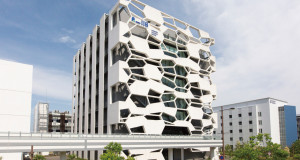
XIIIth International Symposium on Nuclear Symmetry Energy (NuSym25)
September 8 (Mon) - 13 (Sat) 2025
[Scientific scope]
The symposium will address experimental and theoretical investigations of the equation-of-state (EoS) of nuclear matter at various isospin asymmetries. Such investigations include efforts in nuclear structure, nuclear reactions and heavy-ion collisions, as well as in astrophysical observations of compact stars and associated phenomena. An important role of the symposium is to unify efforts of the nuclear physics and astrophysics communities in addressing common research challenges.
Venue: Integrated Innovation Building (IIB), Kobe Campus, RIKEN
Event Official Language: English
Paper of the Week
Week 4, May 2025
2025-05-22
Title: Quasinormal Modes from EFT of Black Hole Perturbations in Vector-Tensor Gravity
Author: Shogo Tomizuka, Hajime Kobayashi, Naritaka Oshita, Kazufumi Takahashi, Shinji Mukohyama
arXiv: http://arxiv.org/abs/2505.15125v1
Title: Cobordism maps in Khovanov homology and singular instanton homology I
Author: Hayato Imori, Taketo Sano, Kouki Sato, Masaki Taniguchi
arXiv: http://arxiv.org/abs/2505.12095v1
Title: Using inclusive fitness and eco-evolutionary theory to model cultural evolution
Author: Ryosuke Iritani, Stuart A West
Journal Reference: Evolution and Human Behavior 46 (2025)
doi: https://doi.org/10.1016/j.evolhumbehav.2025.106693
Title: The evolution of host utilization strategy: At what timing parasitoids attack and consume their host
Author: Ryuichiro Isshiki, Ryosuke Iritani
Journal Reference: bioRxiv
doi: https://doi.org/10.1101/2025.02.22.639661
Title: How can interspecific pollen transfer affect the coevolution and coexistence of two closely related plant species?
Author: Keiichi Morita, Akira Sasaki, Ryosuke Iritani
Journal Reference: OIKOS e11133 (2025)
doi: https://doi.org/10.1002/oik.11133
Title: An Analytic Prescription for $t$-channel Singularities
Author: Kento Asai, Nagisa Hiroshima, Joe Sato, Ryusei Sato, Masaki J. S. Yang
arXiv: http://arxiv.org/abs/2505.10890v1
Title: Landscape of Correlated Orders in Strained Bilayer Nickelate Thin Films
Author: Congcong Le, Jun Zhan, Xianxin Wu, Jiangping Hu
arXiv: http://arxiv.org/abs/2501.14665v2
If you would like to cancel your subscription or change your email address,
please let us know via our contact form.
Copyright © iTHEMS, RIKEN. All rights reserved.