
Volume 424
Back to Newsletter List


Volume 424
September 4, 2026
Hot Topic


From Vietnam to Korea: A Summer of Quantum Computing
2026-09-01
Duc-Truyen Le, a graduate student at Saitama University, is currently affiliated with iTHEMS as an International Program Associate (IPA). This summer, he participated in a series of quantum computing activities in Vietnam and Korea. In Vietnam, his team received an Honorable Mention at an international quantum computing hackathon involving participants from across Southeast Asia. We asked Duc-Truyen to share his experience with the iTHEMS community:
From July 9 to 31, I stayed in Vietnam, mainly to prepare for and participate in a major quantum computing event that brought together scientists, industry leaders, policymakers, and government representatives. The event aimed to strengthen collaboration and promote investment in quantum technologies across both the public and private sectors.
The program consisted of a series of activities held over more than a week, including workshops, discussions, networking events, and competitions. One of the highlights was the International Hackathon on Quantum Computing for Social Good (QC4SG Vietnam 2026 / 2nd SEA Quantathon), which brought together participants from across Southeast Asia.
The competition was highly selective, with more than 500 initial applications. Selected teams went through a training phase before the finalists were invited to Vietnam to present their projects. For more information about the competition, please see the related link below.
Among more than 20 finalist teams, comprising around 100 participants, our team, QuanWatt, was honored to receive an Honorable Mention. It was a rewarding experience and a valuable opportunity to exchange ideas with participants from different backgrounds.
Our project explored how quantum computing could contribute to the analysis of modern power systems, which are becoming increasingly complex with the growing integration of renewable energy sources and smart-grid technologies. Although considerable work remains before such approaches can be applied in practice, it was encouraging to see increasing interest from both academia and industry in practical applications of quantum computing.
Following the program in Vietnam, I traveled to Korea, where I attended a course at the Institute for Basic Science (IBS) from August 1 to 8 on “Quantum Computing for Quantum Field Theory.” This provided another valuable opportunity to learn about the rapidly developing connections between quantum computing and fundamental physics.
Overall, these experiences in Vietnam and Korea were both memorable and intellectually stimulating. I am very grateful for the opportunity to participate and for the continued support I have received from iTHEMS.
Hot Topic

The 3rd NCTS-iTHEMS Joint Workshop on Theoretical, Mathematical, and Computational Sciences on August 18, 2026
2026-08-31
The 3rd NCTS-iTHEMS Joint Workshop on Theoretical, Mathematical, and Computational Sciences was held from August 18 to 21, 2026, at the NCTS Physics Lecture Hall in the Cosmology Hall of National Taiwan University (NTU), Taipei. This was the third workshop in the series jointly organized by Taiwan's National Center for Theoretical Sciences (NCTS) and RIKEN iTHEMS, following the first workshop hosted by NCTS in 2024 and the second hosted by RIKEN in 2025.
This year's workshop carried special significance as the first major joint activity after the signing ceremony held at NTU on April 23, 2026, where iTHEMS and NCTS launched the joint research initiative "Mathematical Frontiers for Matter, Life, and the Universe." The initiative, signed by iTHEMS Director Satoshi Iso and NCTS Directors Pei-Ming Ho and Ming-Lun Hsieh, aims to foster outstanding early-career researchers and to promote researcher exchanges, international symposia, and collaborative research between the two institutions. Reflecting this spirit, the scope of the workshop expanded beyond previous editions to encompass theoretical physics, mathematics, and computational sciences.
The four-day program featured 28 talks and 10 posters. Three plenary lectures were delivered by Tzu-Chieh Wei (Stony Brook University) on the stability of quantum many-body phases against time-dependent perturbations, Etera Livine (ENS Lyon) on spinfoam approaches to quantum gravity, and Tan Bui-Thanh (UT Austin) on model-constrained scientific machine learning for digital twins. Thirteen invited speakers from RIKEN iTHEMS and twelve from Taiwanese universities and Academia Sinica presented research spanning high-energy physics, gravity, condensed matter physics, quantum information and computing, geometry and topology, applied mathematics, machine learning, and scientific AI. In the poster session, ten presenters, mostly students and early-career researchers, introduced their work in three-minute flash talks followed by lively discussions over coffee.
The directors of both institutions delivered the opening and closing remarks, and the iTHEMS and NCTS organizers held internal discussions on future joint activities during the workshop. The interdisciplinary atmosphere led to many cross-field conversations during the coffee breaks, the poster session, and the banquet, and several new contacts between researchers of the two institutions were established.
We thank the NCTS staff for their excellent local organization and all speakers and participants for making the workshop a success. We look forward to continuing the series and to deepening the collaboration between NCTS and iTHEMS under the new initiative.
Reported by Ching-Kai Chiu
The 3rd NCTS-iTHEMS Joint Workshop on Theoretical, Mathematical, and Computational Sciences
August 18 (Tue) - 21 (Fri) 2026
Upcoming Events
Colloquium

Efficient iBF: Balanced Integration of Fragmented Matching Markets for Welfare Improvement
September 4 (Fri) 15:30 - 17:00, 2026
Fuhito Kojima (Professor, Department of Economics, The University of Tokyo)
Matching markets often suffer from fragmentation, which leads to inefficiency. We model a fragmented market in a school-choice context and offer a practically relevant method for integration. Specifically, each student and school belong to a region, and we allow for inter-regional transfer of students with "balancedness" constraint: a matching is said to be balanced if, for each region, the outflow of students from that region to other regions is equal to the inflow of students from the latter to the former. Using a directed bipartite graph defined on students and schools, we characterize the set of Pareto efficient matchings among those that are individually rational, balanced and fair (efficient iBF). We also provide a class of polynomial-time algorithms to compute such matchings. When each region favors local students in their priority, the outcome of an algorithm from this class weakly improves student welfare upon the outcome where each region independently uses the deferred acceptance mechanism. Various real-life examples of fragmentation are discussed, and we illustrate how our method would address the issue.
Reference
- Yuichiro Kamada and Fuhito Kojima, Efficient iBF: Balanced Integration of Fragmented Matching Markets for Welfare Improvement, (2025)
Venue: Okochi Hall, 1F Laser Science Laboratory, RIKEN / via Zoom
Event Official Language: English
Lecture
The 11th Intensive Lectures on Quantum Gravity
September 7 (Mon) - 9 (Wed) 2026
Yasuyuki Hatsuda (Associate Professor, Department of Physics, Faculty of Science, Rikkyo University)
In the 11th event of the Intensive Lecture Series, organized by the Quantum Gravity Gatherings (QGG) study group at RIKEN iTHEMS, we will have Prof. Yasuyuki Hatsuda from Rikkyo University, who will deliver a three-day lecture series on the analytic methods in black hole perturbation theory.
Black hole perturbation theory plays a very important role in the developments of modern physics. For instance, in gravitational wave astronomy, it can describe the ringdown phase during the merger events of binary black holes. As the frequency and decay rate of each quasinormal mode are unique to the remnant black hole, one can test extreme-gravity physics by extracting those modes from the ringdown signal. In addition, the computation of black hole quasinormal modes based on black hole perturbation theory has relations connecting to conformal field theories and even to the computations of tidal Love numbers. With the broad applications, we expect this lecture series to provide fresh perspectives to researchers across a wide range of fields and to inspire new directions in their own research.
The lectures will be delivered in a blackboard-style format (in English), designed to foster interaction, active participation, and in-depth Q&A discussions. In addition, short talk sessions will be held, giving participants the opportunity to present briefly on topics of their choice. Through this informal and dynamic setting, we hope to spark active interactions among participants and create an environment where ideas can be shared openly and enthusiastically.
This event will take place in person only.
Target audience:
Senior scholars, early-career researchers, and students are all warmly welcome.
Registration deadline:
July 31, 2026
Venue: #435-437, 4F, Main Research Building, RIKEN Wako Campus
Event Official Language: English
School
SNP School 2026
September 7 (Mon) - 11 (Fri) 2026
We are pleased to announce that the SNP School 2026 will be held at Aobayama Campus, Tohoku University, from 7th to 11th, September, 2026. This is the 15th of the series which has been held every year since 2012.
The school provides lectures that cover subjects from basics to the frontiers of strangeness nuclear physics as well as other related fields such as astrophysics, atomic physics, etc. Lecturers are invited both from theoretical or experimental physics, and their materials are prepared to be useful to students and also to researchers who would have wider interests.
For more details, please see the related link.
Venue: via Zoom
Event Official Language: English
Seminar

How fungi generate one of the highest pressures in biology: the cell wall as a living nanoporous material
September 7 (Mon) 14:00 - 15:00, 2026
Naoyoshi Kumakura (Senior Research Scientist, RIKEN Center for Sustainable Resource Science (CSRS))
Many devastating crop diseases, including anthracnose and rice blast, begin when a fungal pathogen builds a single infection cell called an appressorium. This single cell generates up to ~8 megapascals of turgor pressure (roughly 40 times a car tire’s air pressure), among the highest documented in any living organism, to physically rupture the plant's tough surface. This pressure arises because the cell wall acts as a semipermeable membrane, retaining internal osmolytes such as glycerol while allowing water to pass. What confers this selective permeability had remained unknown for decades: melanin was long assumed responsible, but turgor still forms in melanin-deficient mutants.
Using genome editing and direct biochemical analysis of these fungi, we identified two enzymes, PKS2 and PBG13, that synthesize a novel polymer from dihydroxyhexanoic acid (DHHA), which narrows cell-wall pore size at the nanometer scale and is required for turgor generation (Kumakura* et al., Science, 2026). I will frame this system as a living adaptive porous material and discuss questions open to mathematical and physical modeling, including how pore geometry sets the limits of selective permeability.
Reference
- Kumakura* et al., Dihydroxyhexanoic acid biosynthesis controls turgor in pathogenic fungi, Science 391, 700-706 (2026), doi: 10.1126/science.aec9443
Venue: Hybrid Format (3F #359 and Zoom), Seminar Room #359, 3F Main Research Building, RIKEN
Event Official Language: English
Seminar
Magic state distillation and cultivation #1
September 10 (Thu) 10:30 - 12:00, 2026
Yutaka Hirano (Research Scientist, Nanofiber Quantum Technologies)
Venue: Seminar Room #359, 3F Main Research Building, RIKEN / via Zoom
Event Official Language: Japanese
Seminar
Magic state distillation and cultivation #2
September 10 (Thu) 13:30 - 17:00, 2026
Yutaka Hirano (Research Scientist, Nanofiber Quantum Technologies)
Venue: Seminar Room #359, 3F Main Research Building, RIKEN / via Zoom
Event Official Language: Japanese
Seminar
Making robust reionisation 21 cm signal predictions with C21LRT
September 11 (Fri) 14:00 - 15:15, 2026
Qin Han (JSPS International Research Fellow, Shibaura Institute of Technology)
The redshifted 21 cm line signal is a unique probe for the Epoch of Reionisation by tracking the evolution of the averaged intergalactic medium properties as well as their fluctuations, enabling tomographic studies. Accurate modelling of the 21 cm global and power spectrum signals is crucial for interpreting measurements from current and forthcoming 21 cm experiments. Theoretical predictions usually post-process reionisation simulations with optical depth approximation, which treats local line broadening and peculiar velocities approximately and often leads to divergences due to its velocity gradient term. I will present our cosmological 21 cm line radiative transfer (C21LRT) formulation which resolve these issues naturally. I will compare the 21-cm signals calculated with C21LRT and the conventional optical depth method, and highlight the need to fully quantify the uncertainties of using the optical depth method for exploring the 21-cm signals associated from various possible reionisation scenarios.
Venue: Hybrid Format (2F #220 and Zoom), Main Research Building, RIKEN Wako Campus
Event Official Language: English
Seminar

Primtive form of singularity and mirror symmetry
September 11 (Fri) 15:30 - 17:30, 2026
Zhe Wang (Research Scientist, Division of Fundamental Mathematical Science, RIKEN Center for Interdisciplinary Theoretical and Mathematical Sciences (iTHEMS))
In 1980s, K. Saito introduced the primitive forms in his study of periods as to generalize the elliptic period integral theory to higher dimensions. An important consequence was that there exists a flat structure on the space of universal unfolding of a singularity. Later after Witten proposed his famous conjecture relating the intersection theory on moduli space to the integrable hierarchy, this flat structure was re-discovered by Dubrovin, and nowadays it is referred as a Frobenius mafniold structure. Frobenius mafniolds provide a convenient tool for formulating the mirror symmetry, which was a special type of duality among string theories orginally studied by physicits. In this talk, I will explain the related constructions, and show by examples how the study of primitive forms gives prediction of geometric quantities such as Gromov-Witten invariants.
Venue: #359, 3F, Seminar Room #359, 3F Main Research Building, RIKEN / via Zoom
Event Official Language: English
Seminar
Tannaka duality for spectral sheaves on compact Hausdorff spaces
September 17 (Thu) 15:00 - 16:30, 2026
Ko Aoki (Postdoc, University of Copenhagen, Denmark)
Tannaka duality asks to what extent a geometric object can be recovered from a category naturally associated with it. In this talk, the geometric objects are topological spaces, and the associated categories are their categories of sheaves of spectra.
I showed that, for compact Hausdorff spaces X and Y, every colimit-preserving symmetric monoidal functor from Shv(X; Sp) to Shv(Y; Sp) arises uniquely from a continuous map from Y to X, where Shv(X; Sp) denotes the (∞, 1)-category of sheaves of spectra on X. The main ingredient is an adjunction between the construction of sheaves and a new variant of the smashing spectrum. I will also discuss variants of this machinery to broader classes of spaces, including ongoing work on toposes.
Venue: via Zoom / Seminar Room #359, 3F Main Research Building, RIKEN
Event Official Language: English
Workshop
Quantum Information: Entanglement of Mathematics & Physics
September 21 (Mon) - 23 (Wed) 2026
This workshop brings together mathematicians and physicists to explore the deep connections among quantum information, mathematics, and physics. Topics span quantum gravity, condensed matter physics, quantum computing, and quantum error correction, with an emphasis on the mathematical structures that underlie entanglement and quantum information across these fields.
The program is designed to foster genuine cross-disciplinary dialogue, allowing ample time for discussion alongside formal talks.
[Invited speakers]
Akira Furusaki (RIKEN CEMS/iTHEMS)
Marcel Franz (UBC / SBQMI)
Ching-Kai Chiu (iTHEMS)
Jasmin Bedow (UBC)
Max McGinley (UBC)
Yosuke Kubota (Kyoto University)
Shunji Matsuura (RIKEN iTHEMS)
Bartosz Regula (RIKEN RQC)
Ryuji Takagi (University of Tokyo)
Sisi Zhou (Perimeter Institute)
Olivia Di Matteo (UBC / SBQMI)
Daochen Wang (UBC Computer Science)
Polina Feldmann (UBC)
Masazumi Honda (RIKEN iTHEMS)
Yasuyuki Kawahigashi (RIKEN iTHEMS)
Carolyn Zhang (UBC)
Masahito Yamazaki (Kavli IPMU, University of Tokyo)
Aswin Parayil Mana (University of Tokyo)
Alex May (Perimeter Institute)
Masamichi Miyaji (RIKEN iTHEMS)
Mark Van Raamsdonk (UBC Physics & Astronomy)
Venue: University of British Colombia / via Zoom
Event Official Language: English
Workshop
Workshop on Gestalt
September 24 (Thu) - 30 (Wed) 2026
Ko Aoki (Postdoc, University of Copenhagen, Denmark)
Note. The lectures will be given in Japanese. This workshop will be jointly organized by RIKEN AIP.
During this five-day workshop, we will hold a learning seminar and intensive lectures on gestalt theory, which was recently developed by Scholze and Stefanich.
Gestalt theory is a new geometric framework that unifies various derived analytic geometry and higher sheaf theory, building on the foundations of higher and derived category theory.
At this event, we will host Ko Aoki, who has contributed to the foundations and development of the theory, for the intensive lecture session.
During the first three days of the workshop, we will feature tutorial lecture sessions, presented by the participants. All lectures will be given in Japanese, with the aim of promoting the dissemination and development of gestalt theory in Japan.
References
- Ko Aoki, Higher presentable categories and limits, arXiv: 2510.13503
- Ko Aoki, Berkovich 2-motives and normed ring stacks, arXiv: 2603.01877
- Peter Scholze, Geometry and Higher Category Theory
Venue: Yagami Campus, Keio University
Event Official Language: Japanese
Lecture
Foundations of Quantum Programming Lecture
September 28 (Mon) - October 2 (Fri) 2026
Mingsheng Ying (Professor, University of Technology Sydney, Australia)
Lecture
Professor Mingsheng Ying is internationally recognised for his contributions to quantum computing, quantum programming, and quantum software verification. He is a Distinguished Professor at the UTS Centre for Quantum Software and Information at the University of Technology Sydney.
His research interests include quantum computation, programming language theory, quantum program semantics, verification, and the foundations of quantum software.
Professor Ying is Co-Editor-in-Chief of ACM Transactions on Quantum Computing and has served in editorial roles for several leading journals and conferences.
Abstract
Recent advances in quantum hardware have brought the field from prototype devices to increasingly practical platforms.
To fully realise the potential of quantum computing, quantum programming and software-development technologies will play a crucial role.
This lecture series systematically introduces the theoretical foundations of quantum programming, including operational and denotational semantics, quantum program logics with an emphasis on quantum Hoare logic, verification and analysis of quantum programs, and quantum recursive programming.
The lectures will also discuss open problems that may inspire future research in quantum programming.
Venue: Room C502, West Zone 1 Building D, Ito Campus, Kyushu University, SUURI-COOL (Kyushu), Ito Campus, Kyushu University / via Zoom
Event Official Language: English
Workshop

Foundations of Quantum Programming Mini-Workshop & Contributed Talks
September 28 (Mon) - October 2 (Fri) 2026
Mingsheng Ying (Professor, University of Technology Sydney, Australia)
Hiroyuki Ochiai (Professor, Institute of Mathematics for Industry, Kyushu University)
Jianjun Zhao (Professor, Kyushu University)
Minh Canh Do (Instructor, Japan Advanced Institute of Science and Technology)
Venue: Room C502, West Zone 1 Building D, Ito Campus, Kyushu University, SUURI-COOL (Kyushu), Ito Campus, Kyushu University / via Zoom
Event Official Language: English
Workshop
Quantum Computing for Nuclear Physics (QC-NP 2026)
October 13 (Tue) - 16 (Fri) 2026
Join us for a comprehensive workshop on the application of quantum computing to nuclear physics, bringing together experts from around the world to share the latest developments and advancements in this rapidly evolving field. The workshop will cover a broad range of topics, including quantum algorithms, quantum computing hardware, and their applications to lattice field theories, gauge field theories, scattering, nuclear structure, and nuclear astrophysics.
The workshop will provide ample opportunities for participants to exchange ideas, share their research, and initiate new collaborations. Through a combination of presentations and interactive discussion sessions, we aim to foster a collaborative environment that drives innovation and advances our understanding of the intersection of quantum computing and nuclear physics.
[Workshop Schedule]
The workshop will start from the morning of October 13
The banquet will be held on the evening of October 15
[Important Dates]
Registration deadline with oral presentation: August 31, 2026
Recommended to register by: August 31, 2026
[Invited Speakers]
A. Baha Balantekin (University of Wisconsin Madison)
Raul Briceño (University of California Berkeley/Lawrence Berkeley National Laboratory)
Philipp Höhn (Okinawa Institute of Science and Technology
Etsuko Itou (Kyoto University)
Dima Kharzeev (Brookhaven National Laboratory/Stony Brook University)
Yuta Kikuchi (Quantinuum)
Denis Lacroix (IJCLab)
Dean Lee (Michigan State University)
Mario Motta (IBM Quantum)
Takeshi Sato (University of Tokyo)
Ionel Stetcu (Los Alamos National Laboratory)
Paul Stevenson (University of Surrey)
Nathan Wiebe (University of Toronto)
Seiji Yunoki (RIKEN)
[Organizers]
Ermal Rrapaj (Lawrence Berkeley National Laboratory/RIKEN, Chair)
Carlo Barbieri (University of Milan)
Tetsuo Hatsuda (RIKEN)
Masaaki Kimura (RIKEN/University of Tokyo)
Haozhao Liang (University of Tokyo)
Tomoya Naito (University of Tokyo/RIKEN)
Enrico Prati (University of Milan)
Alessandro Roggero (University of Trento)
Takeshi Sato (University of Tokyo)
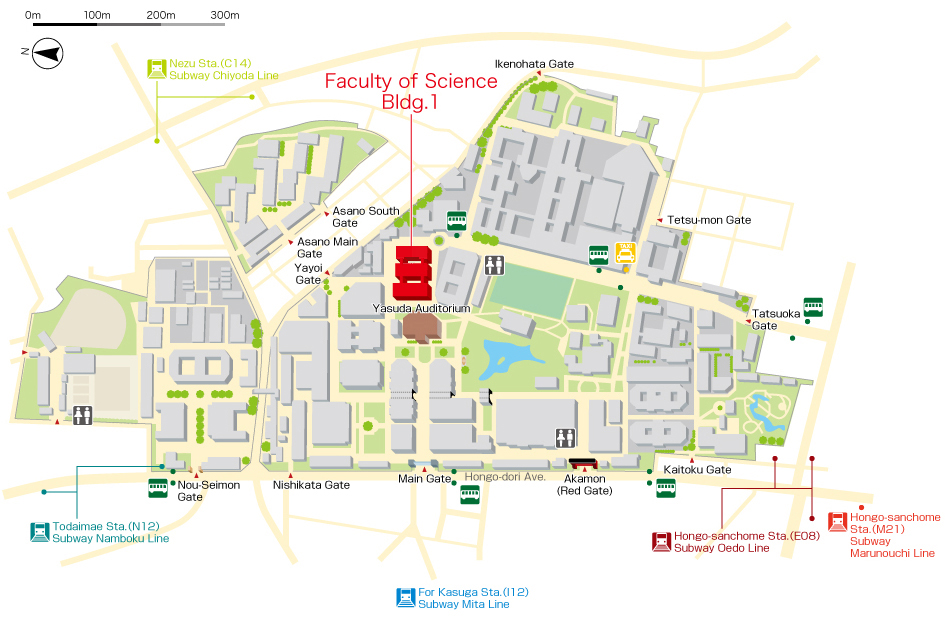
Venue: Faculty of Science Bldg.1, School of Science, The University of Tokyo, Hongo Campus
Event Official Language: English
Seminar
From data to cohomologies of digraphs, to representations of categories
October 13 (Tue) 10:30 - 12:00, 2026
Luigi Caputi (Research Fellow, Department of Mathematics, University of Bologna, Italy)
Motivated by applications to topological data analysis, in the last years we have been witnessing a growing interest in new (topological, homological, categorical) features associated to graphs. The aim of the talk is to describe a recently developed (co)homology theory of directed graphs, called multipath cohomology, whose definition is inspired by Khovanov homology of knots. We will show its relations with more established invariants, such as chromatic homology of graphs, Hochschild homology of algebras, and matching complexes. If time allows it, we will show that the ranks of multipath cohomology, when restricted to graphs with bounded genus, grow at most polynomially in the number of edges, and that the order of its torsion is bounded. This will depend upon structural properties of (the representation category of) graphs, such as its Noetherianity properties.
Venue: #359, 3F, Main Research Building, RIKEN Wako Campus / via Zoom
Event Official Language: English
Workshop

Majorana Modes: Fundamentals, Status & Directions
October 13 (Tue) - 16 (Fri) 2026
Workshop Overview
Majorana modes lie at the heart of contemporary condensed-matter physics, exhibiting non-Abelian exchange statistics; when protected by topology, they are robust against environmental perturbations. Here, “Majorana mode” is used broadly to include a localized zero-energy Majorana state (a Majorana zero mode) and chiral Majorana edge states with gapless dispersion crossing zero energy.
This three-day in-person workshop returns to fundamentals and open questions. It opens with a tutorial session on the afternoon of October 13 for non-experts and adjacent fields, and emphasizes rigorous theory–experiment dialogue, robust methodology, and concrete benchmarks for realizing and testing Majorana modes.
Participants
Experimentalists and theorists working on Majorana modes
Researchers in adjacent fields (quantum materials, superconductivity, mesoscopic physics)
Graduate students and postdocs interested in entering the field
Topics include (non-exhaustive)
Majorana zero modes in a variety of nanostructures
Chiral Majorana edge states in quantum spin liquids and other platforms
Disorder, interactions, and realistic device modeling
Experimental diagnostics and “smoking gun” signatures
Topological Quantum Spin Systems
Venue: Okochi Hall, 1F Laser Science Laboratory, RIKEN
Event Official Language: English
Seminar

AI and Scientific Discovery
October 19 (Mon) 13:00 - 14:00, 2026
Joseph Ledsam (Google Health Lead, Japan, Google Japan)
Artificial intelligence is having a transformative impact on health and scientific discovery. This presentation will trace the evolution from foundational breakthroughs to the sophisticated capabilities of today's large-scale AI models. It will explore how these advanced systems are creating new possibilities across the healthcare landscape, from accelerating therapeutic development to enhancing diagnostic processes and interpreting complex medical data. The session will also take a deeper look at the future possibilities for AI in health and explore the emerging role of agentic AI in scientific discovery. The core theme is the responsible development of AI to create tools that assist scientists, support healthcare professionals, and empower users.
Bio:
Dr Joseph Ledsam leads Google Health in Japan, where he works across AI research, digital health and health in Google products. He has led research in medical AI, genomics and drug discovery published in journals including Nature, Nature Medicine and Nature Methods. Before moving to Japan he worked as a medical doctor in the UK, and founded the Health Research and Genomics teams in Google DeepMind. He obtained his medical degree from The University of Leeds, UK, and was a research fellow at University College London during his clinical residency.
Venue: #435-437, Main Research Building, RIKEN Wako Campus / via Zoom
Event Official Language: English
Seminar

A non-negative matrix factorization-based approach to integrating multimodal omics data with automatically tuned hyperparameters
November 16 (Mon) 14:00 - 15:00, 2026
Dorothy Ellis (Postdoctoral Researcher, Laboratory for Integrative Genomics, RIKEN Center for Integrative Medical Sciences (IMS))
Venue: via Zoom
Event Official Language: English
Workshop

KEK(-iTHEMS) Theory Workshop 2026
November 25 (Wed) - 27 (Fri) 2026
Hirotaka Hayashi (Professor, Department of Physics, School of Science, Tokai University)
Hikaru Kawai (Visiting Professor, Nambu Yoichiro Institute of Theoretical and Experimental Physics (NITEP), Osaka Metropolitan University)
Takato Mori (Assistant Professor, Department of Physics, Faculty of Science, Rikkyo University)
Masaya Nakagawa (Assistant Professor, Department of Physics, Graduate School of Science, The University of Tokyo)
Masaki Shigemori (Professor, Department of Physics, Graduate School of Science, Nagoya University)
Tadashi Takayanagi (Professor, Yukawa Institute for Theoretical Physics, Kyoto University)
Norihiro Tanahashi (Program-Specific Associate Professor, Department of physics, Graduate School of Science, Kyoto University)
Tatsuya Yamaoka (Ph.D. Student, Department of Physics, Graduate School of Science, The University of Osaka)
The KEK Theory Workshop is an annual workshop on string theory and quantum field theory.
Since 2014, it has been held every winter as an international workshop and has become one of the major annual events in the high-energy physics community in Japan.
This year’s workshop will be held on site at the KEK Tsukuba Campus from November 25 to 27, and it will be jointly organized with RIKEN iTHEMS.
The workshop this year aims to provide a forum for extensive discussions on recent developments in string theory, matrix models, gauge/gravity duality, black-hole microstates, lattice constructions of chiral gauge theories, and open quantum systems.
Venue: Seminar Hall, Building 3, KEK Tsukuba Campus
Register: Event registration form
Event Official Language: English
Upcoming Visitors
September 7 (Mon) - 11 (Fri) 2026 Junichi HarunaProgram-Specific Researcher, Graduate School of Informatics, Kyoto University Visiting Place: Main Research Building |
September 7 (Mon) - 18 (Fri) 2026 Harunobu FujimuraPh.D. Student, The University of Osaka Visiting Place: Main Research Building |
Paper of the Week
Week 1, September 2026
2026-09-03
Title: Dark Matter as the Z_2 Partner of the Standard Model Higgs Boson
Author: Yasunori Nomura
arXiv: http://arxiv.org/abs/2609.02505v1
Title: Symmetry-Reduced Variational Quantum Simulation of the $U(5)\rightarrow SU(3)$ Quantum Phase Transition in the Interacting Boson Model
Author: Faisal Etminan
arXiv: http://arxiv.org/abs/2609.00349v1
Title: Detecting Multiple Phase Transitions in Lattice Systems with Intrinsic Dimensions
Author: Jie Mei, Tetsuo Hatsuda, Mei Huang, Lingxiao Wang
arXiv: http://arxiv.org/abs/2608.29090v1
Title: Two Languages for the Same Resonance: From Nuclear Decay to Black-Hole Ringdown
Author: Okuto Morikawa
arXiv: http://arxiv.org/abs/2608.29806v1
Title: Quantum Federated Learning Based on Bures--Uhlmann Geometry for Heterogeneous Noisy Clients
Author: Haruki Emori, Masaki Uchihara, Yuuki Tokunaga
arXiv: http://arxiv.org/abs/2608.28379v1
Title: Local inequalities for $cD$ and $cE$ singularities
Author: Chi-Kang Chang, Jheng-Jie Chen, Takuzo Okada
arXiv: http://arxiv.org/abs/2608.28372v1
Title: Apéry-type approximations and irrationality measures for certain $q$-series
Author: Junnosuke Koizumi, Anju Yokoi
arXiv: http://arxiv.org/abs/2608.26918v1
Title: Efficient Quantum Simulations of Yang-Mills theory with Maximal-tree Gauge
Author: Tianyin Li, Ying-Ying Li, Xiaoyang Wang, Hongxi Xing
arXiv: http://arxiv.org/abs/2608.27267v1
Title: Krylov Break Times from an Inhomogeneous Lieb--Robinson Light Cone
Author: Shunji Matsuura, Yoji Kawamura, Joseph Salfi, Satoshi Iso
arXiv: http://arxiv.org/abs/2608.27399v1
Title: Low-Frequency Gravitational Bremsstrahlung and Memory in a Medium
Author: Diego Blas, Silvia Gasparotto, Hitoshi Murayama, Jan Schütte-Engel, Jann Zosso
arXiv: http://arxiv.org/abs/2608.24994v1
If you would like to cancel your subscription or change your email address,
please let us know via our contact form.
Copyright © iTHEMS, RIKEN. All rights reserved.