
Volume 421
Back to Newsletter List


Volume 421
August 14, 2026
Upcoming Events
Colloquium

Hidden Networks: From Phase Reductions to Effective Network Interactions
August 24 (Mon) 15:30 - 17:00, 2026
Christian Bick (Associate Professor, Department of Mathematics, Vrije Universiteit Amsterdam, Netherlands)
From networks of interconnected neurons in the brain to coupled electrochemical reactions: The collective dynamics of interacting dynamical systems shape the function (or dysfunction) of many systems that are critical for our everyday lives. For coupled oscillatory processes, synchronization is a prime example of emergent collective dynamics. But how oscillators interact is not necessarily obvious from (physical) connections between the oscillators. Here we look at phase reductions as a way to uncover the hidden 'effective' network interactions for coupled oscillators dynamics. On the one hand, these give insight into when oscillators do and do not interact (despite a link). On the other hand, they elucidate when and how nonpairwise higher-order interactions shape synchronization phenomena in coupled oscillator networks.
Venue: Okochi Hall, 1F Laser Science Laboratory, RIKEN / via Zoom
Event Official Language: English
Lecture
RIKEN–IPMU mini-workshop on QCA and K-theory
August 24 (Mon) - 26 (Wed) 2026
Three-day lecture series by Bowen Yang, based on joint work with Mattie Ji (arXiv:2602.16572 and arXiv:2606.19657), in which quantum cellular automata are classified by an algebraic K-theory spectrum.
Reference
- Mattie Ji, Bowen Yang, Quantum Cellular Automata: The Group, the Space, and the Spectrum, arXiv: 2602.16572
Venue: via Zoom / Lecture Hall, Kavli IPMU, The University of Tokyo
Event Official Language: English
School


AI for Science Summer School
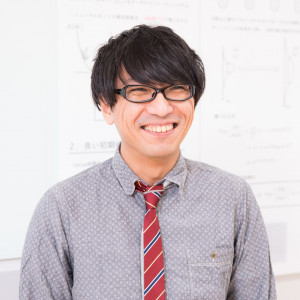
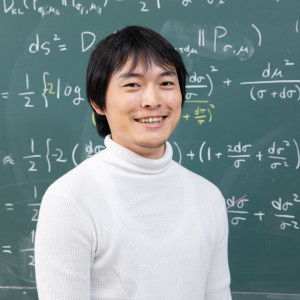
August 25 (Tue) - 27 (Thu) 2026
Masato Taki (Associate Professor, Graduate School of Artificial Intelligence and Science, Rikkyo University)
Lingxiao Wang (Deputy Team Director, AI as Science Team, Division of Applied Mathematical Science, RIKEN Center for Interdisciplinary Theoretical and Mathematical Sciences (iTHEMS))
Vinicius Massami Mikuni (Associate Professor, Kobayashi-Maskawa Institute for the Origin of Particles and the Universe (KMI), Nagoya University)
Naoya Takeishi (Lecturer, The Research Center for Advanced Science and Technology, The University of Tokyo)
Conglong Li (Senior Research Scientist, Google DeepMind, UK)
Akinori Tanaka (Senior Research Scientist, RIKEN Center for Advanced Intelligence Project (AIP))
Summer school for modern AI methods and their applications in scientific discovery.
We want to answer the questions in AI for Science,
Why do you need AI for your research?
Which AI is most suitable for your needs?
How can you use AI properly for your task?
The school will cover both lectures and hands-on coding sessions, with topics including machine learning basics, generative models, Bayesian and simulation-based inference, foundation models and LLM agents.
The problems include, experiment-to-phenomenology (inference and prediction), computation (generation), theory (auto-workflow and Co-Scientist), etc.
Venue: #435-437, 4F, Main Research Building, RIKEN Wako Campus / via Zoom
Event Official Language: English
Seminar
Multistability in Biochemical Reaction Systems: Structural Approach
August 27 (Thu) 16:00 - 17:00, 2026
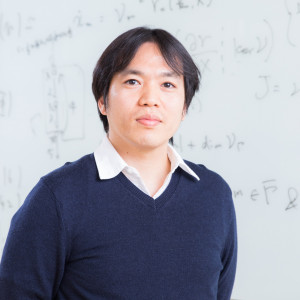
Takashi Okada (Associate Professor, Program of Mathematical and Life Sciences, Graduate School of Integrated Sciences for Life, Hiroshima University)
In living cells, biochemical reactions form intricate networks that can exhibit multistability, allowing a single system to maintain multiple stable states under identical conditions. However, determining theoretically whether a given reaction system can exhibit multistability is challenging because detailed kinetic parameters are often unknown.
In this presentation, we introduce a structural framework that decomposes biochemical networks into subnetworks based solely on network topology. For each subnetwork, we define a scalar quantity, and an index-theoretic argument shows that the sign of this quantity determines whether the subnetwork can contribute to multistability. Our method identifies indicator species whose concentrations distinguish all steady states without detailed kinetic information, thereby enabling efficient measurement design in large networks.
Venue: via Zoom
Event Official Language: English
Seminar

Coulomb branches in supersymmetric gauge theories
August 28 (Fri) 15:30 - 17:00, 2026
Hiraku Nakajima (Professor, Kavli Institute for the Physics and Mathematics of the Universe (Kavli IPMU), The University of Tokyo)
Supersymmetric gauge theories in 3 and 4 dimensions have no mathematically rigorous foundation. Coulomb branches of gauge theories originally defined via low energy effective theories by non-rigorous physical argument in 90s. I will explain how I interpret this original argument and make a mathematically rigorous definition of Coulomb branches in my joint work with Braverman and Finkelberg.
Venue: Okochi Hall, 1F Laser Science Laboratory, RIKEN / via Zoom
Event Official Language: English
Lecture

iTHEMS-UTokyo Intensive Lectures on Quantum Gravity
August 31 (Mon) - September 2 (Wed) 2026
Hikaru Kawai (Visiting Professor, Nambu Yoichiro Institute of Theoretical and Experimental Physics (NITEP), Osaka Metropolitan University)
iTHEMS-UTokyo Intensive Lectures on Quantum Gravity
(10th Quantum Gravity Gatherings Lecture Series)
The 10th QGG Lecture Series is a special three-day installment of the intensive lecture series organized by the Quantum Gravity Gatherings (QGG) study group at RIKEN iTHEMS. This celebratory edition will feature Professor Hikaru Kawai from Nambu Yoichiro Institute of Theoretical and Experimental Physics (NITEP), who will deliver a series of lectures on themes related to quantum gravity.
This lecture series will follow a style similar to Prof. Kawai's first QGG lectures, held three years ago at RIKEN (Wako) as the inaugural QGG event, which explored fundamental questions in quantum gravity, string theory, and the quantum universe. A distinctive feature of this 10th installment is that it will take place on the Komaba campus of The University of Tokyo, where one of the iTHEMS satellite offices is located. This will be the first QGG lecture series held outside Wako, with the aim of making the event more accessible to a broader group of participants.
Format:
Lectures will be given mainly in blackboard style and in English, encouraging active participation and in-depth Q&A discussions.
Poster sessions will also be held, giving participants an opportunity to present their own work or topics of interest. These sessions are intended to foster communication and stimulate the exchange of ideas among participants.
This event will take place in person only.
Target audience:
Senior scholars, early-career researchers, and students are all warmly welcome.
Registration deadline:
July 31, 2026
Venue: 21 Komaba Center for Educational Excellence (21 KOMCEE) East Building, Room K214, Komaba Campus, The University of Tokyo
Event Official Language: English
Seminar
Finite cut-off holography and Matrix models
September 3 (Thu) 10:30 - 11:45, 2026
Sounak Pal (Student, Indian Institute of Technology Gandhinagar, India)
In this talk, I will discuss finite-cutoff models of two-dimensional topological gravity and their relation to random matrix theories. Random matrix models have emerged as a useful tool for understanding and refining semiclassical holographic dualities, particularly in low-dimensional quantum gravity. I will begin with a brief introduction to large-(N) matrix models and then describe their connection to low-dimensional topological quantum field theories. Along the way, I will highlight how introducing a finite cutoff can lead to significant modifications in the growth of the black-hole interior compared with the matrix-model description of pure JT gravity. Finally, I will discuss the relation between (TT-bar)-deformed Schwarzian theories and their gravitational bulk duals, emphasizing how these deformations provide an avenue for exploring finite-cutoff holography and possible departures from the standard JT-gravity picture.
Venue: #359, 3F, Main Research Building, RIKEN Wako Campus / via Zoom
Event Official Language: English
Seminar
Computational demands shape seizure susceptibility in recurrent neural networks
September 3 (Thu) 13:00 - 14:00, 2026
Sebastian Eydam (Research Scientist, Neural Circuits and Computations Unit, RIKEN Center for Brain Science (CBS))
Why do some brain areas slip into seizures more readily than others? Anatomy and physiology are part of the story, but in this talk we argue that the computation a network performs is itself a determinant of its vulnerability. Working in the language of recurrent neural networks and attractor dynamics, we contrast two computational regimes: networks that represent continuous variables (e.g. tracking a continuous position in space) establish barrier-free state manifolds, whereas networks that store discrete memories have to separate different states by establishing deep wells. A simple energy-landscape picture suggests that continuous networks can amplify perturbations into runaway activity more easily while discrete networks contain them. We test this idea across three systems: handcrafted spiking attractor networks, recurrent networks trained on continuous or discrete computational tasks, and in vivo Neuropixels recordings comparing medial entorhinal cortex (continuous, grid-cell dynamics) with hippocampal CA3 (discrete memory). Under a shared disinhibitory "seizure perturbation," the continuous systems destabilize sooner and drive stronger epileptiform activity, and causal silencing shows this depends on intact entorhinal output. Together, these results establish a direct link between the computation a network is built to perform and its susceptibility to seizures, showing that the very features that enable a network to process information also shape its vulnerability to pathological transitions.
Reference
- Preprint: Li, Eydam, Ramzan, et al., Computational demands shape seizure susceptibility in recurrent neural networks, bioRxiv (2026), doi: 10.64898/2026.07.02.735135
Venue: via Zoom / #359, 3F, Seminar Room #359, 3F Main Research Building, RIKEN
Event Official Language: English
Colloquium

Efficient iBF: Balanced Integration of Fragmented Matching Markets for Welfare Improvement
September 4 (Fri) 15:30 - 17:00, 2026
Fuhito Kojima (Professor, Department of Economics, The University of Tokyo)
Matching markets often suffer from fragmentation, which leads to inefficiency. We model a fragmented market in a school-choice context and offer a practically relevant method for integration. Specifically, each student and school belong to a region, and we allow for inter-regional transfer of students with "balancedness" constraint: a matching is said to be balanced if, for each region, the outflow of students from that region to other regions is equal to the inflow of students from the latter to the former. Using a directed bipartite graph defined on students and schools, we characterize the set of Pareto efficient matchings among those that are individually rational, balanced and fair (efficient iBF). We also provide a class of polynomial-time algorithms to compute such matchings. When each region favors local students in their priority, the outcome of an algorithm from this class weakly improves student welfare upon the outcome where each region independently uses the deferred acceptance mechanism. Various real-life examples of fragmentation are discussed, and we illustrate how our method would address the issue.
Reference
- Yuichiro Kamada and Fuhito Kojima, Efficient iBF: Balanced Integration of Fragmented Matching Markets for Welfare Improvement, (2025)
Venue: Okochi Hall, 1F Laser Science Laboratory, RIKEN / via Zoom
Event Official Language: English
Lecture
The 11th Intensive Lectures on Quantum Gravity
September 7 (Mon) - 9 (Wed) 2026
Yasuyuki Hatsuda (Associate Professor, Department of Physics, Faculty of Science, Rikkyo University)
In the 11th event of the Intensive Lecture Series, organized by the Quantum Gravity Gatherings (QGG) study group at RIKEN iTHEMS, we will have Prof. Yasuyuki Hatsuda from Rikkyo University, who will deliver a three-day lecture series on the analytic methods in black hole perturbation theory.
Black hole perturbation theory plays a very important role in the developments of modern physics. For instance, in gravitational wave astronomy, it can describe the ringdown phase during the merger events of binary black holes. As the frequency and decay rate of each quasinormal mode are unique to the remnant black hole, one can test extreme-gravity physics by extracting those modes from the ringdown signal. In addition, the computation of black hole quasinormal modes based on black hole perturbation theory has relations connecting to conformal field theories and even to the computations of tidal Love numbers. With the broad applications, we expect this lecture series to provide fresh perspectives to researchers across a wide range of fields and to inspire new directions in their own research.
The lectures will be delivered in a blackboard-style format (in English), designed to foster interaction, active participation, and in-depth Q&A discussions. In addition, short talk sessions will be held, giving participants the opportunity to present briefly on topics of their choice. Through this informal and dynamic setting, we hope to spark active interactions among participants and create an environment where ideas can be shared openly and enthusiastically.
This event will take place in person only.
Target audience:
Senior scholars, early-career researchers, and students are all warmly welcome.
Registration deadline:
July 31, 2026
Venue: #435-437, 4F, Main Research Building, RIKEN Wako Campus
Event Official Language: English
Seminar

How fungi generate one of the highest pressures in biology: the cell wall as a living nanoporous material
September 7 (Mon) 14:00 - 15:00, 2026
Naoyoshi Kumakura (Senior Research Scientist, RIKEN Center for Sustainable Resource Science (CSRS))
Many devastating crop diseases, including anthracnose and rice blast, begin when a fungal pathogen builds a single infection cell called an appressorium. This single cell generates up to ~8 megapascals of turgor pressure (roughly 40 times a car tire’s air pressure), among the highest documented in any living organism, to physically rupture the plant's tough surface. This pressure arises because the cell wall acts as a semipermeable membrane, retaining internal osmolytes such as glycerol while allowing water to pass. What confers this selective permeability had remained unknown for decades: melanin was long assumed responsible, but turgor still forms in melanin-deficient mutants.
Using genome editing and direct biochemical analysis of these fungi, we identified two enzymes, PKS2 and PBG13, that synthesize a novel polymer from dihydroxyhexanoic acid (DHHA), which narrows cell-wall pore size at the nanometer scale and is required for turgor generation (Kumakura* et al., Science, 2026). I will frame this system as a living adaptive porous material and discuss questions open to mathematical and physical modeling, including how pore geometry sets the limits of selective permeability.
Reference
- Kumakura* et al., Dihydroxyhexanoic acid biosynthesis controls turgor in pathogenic fungi, Science 391, 700-706 (2026), doi: 10.1126/science.aec9443
Venue: Hybrid Format (3F #359 and Zoom), Seminar Room #359, 3F Main Research Building, RIKEN
Event Official Language: English
Seminar
Magic state distillation and cultivation #1
September 10 (Thu) 10:30 - 12:00, 2026
Yutaka Hirano (Research Scientist, Nanofiber Quantum Technologies)
Venue: Seminar Room #359, 3F Main Research Building, RIKEN / via Zoom
Event Official Language: Japanese
Seminar
Magic state distillation and cultivation #2
September 10 (Thu) 13:30 - 17:00, 2026
Yutaka Hirano (Research Scientist, Nanofiber Quantum Technologies)
Venue: Seminar Room #359, 3F Main Research Building, RIKEN / via Zoom
Event Official Language: Japanese
Seminar
Making robust reionisation 21 cm signal predictions with C21LRT
September 11 (Fri) 14:00 - 15:15, 2026
Qin Han (JSPS International Research Fellow, Shibaura Institute of Technology)
The redshifted 21 cm line signal is a unique probe for the Epoch of Reionisation by tracking the evolution of the averaged intergalactic medium properties as well as their fluctuations, enabling tomographic studies. Accurate modelling of the 21 cm global and power spectrum signals is crucial for interpreting measurements from current and forthcoming 21 cm experiments. Theoretical predictions usually post-process reionisation simulations with optical depth approximation, which treats local line broadening and peculiar velocities approximately and often leads to divergences due to its velocity gradient term. I will present our cosmological 21 cm line radiative transfer (C21LRT) formulation which resolve these issues naturally. I will compare the 21-cm signals calculated with C21LRT and the conventional optical depth method, and highlight the need to fully quantify the uncertainties of using the optical depth method for exploring the 21-cm signals associated from various possible reionisation scenarios.
Venue: Hybrid Format (2F #220 and Zoom), Main Research Building, RIKEN Wako Campus
Event Official Language: English
Seminar

Primtive form of singularity and mirror symmetry
September 11 (Fri) 15:30 - 17:30, 2026
Zhe Wang (Research Scientist, Division of Fundamental Mathematical Science, RIKEN Center for Interdisciplinary Theoretical and Mathematical Sciences (iTHEMS))
In 1980s, K. Saito introduced the primitive forms in his study of periods as to generalize the elliptic period integral theory to higher dimensions. An important consequence was that there exists a flat structure on the space of universal unfolding of a singularity. Later after Witten proposed his famous conjecture relating the intersection theory on moduli space to the integrable hierarchy, this flat structure was re-discovered by Dubrovin, and nowadays it is referred as a Frobenius mafniold structure. Frobenius mafniolds provide a convenient tool for formulating the mirror symmetry, which was a special type of duality among string theories orginally studied by physicits. In this talk, I will explain the related constructions, and show by examples how the study of primitive forms gives prediction of geometric quantities such as Gromov-Witten invariants.
Venue: #359, 3F, Seminar Room #359, 3F Main Research Building, RIKEN / via Zoom
Event Official Language: English
Workshop
Workshop on Gestalt
September 24 (Thu) - 30 (Wed) 2026
Ko Aoki (Postdoc, University of Copenhagen, Denmark)
Note. The lectures will be given in Japanese. This workshop will be jointly organized by RIKEN AIP.
During this five-day workshop, we will hold a learning seminar and intensive lectures on gestalt theory, which was recently developed by Scholze and Stefanich.
Gestalt theory is a new geometric framework that unifies various derived analytic geometry and higher sheaf theory, building on the foundations of higher and derived category theory.
At this event, we will host Ko Aoki, who has contributed to the foundations and development of the theory, for the intensive lecture session.
During the first three days of the workshop, we will feature tutorial lecture sessions, presented by the participants. All lectures will be given in Japanese, with the aim of promoting the dissemination and development of gestalt theory in Japan.
References
- Ko Aoki, Higher presentable categories and limits, arXiv: 2510.13503
- Ko Aoki, Berkovich 2-motives and normed ring stacks, arXiv: 2603.01877
- Peter Scholze, Geometry and Higher Category Theory
Venue: Yagami Campus, Keio University
Event Official Language: Japanese
Workshop
Quantum Computing for Nuclear Physics (QC-NP 2026)
October 13 (Tue) - 16 (Fri) 2026
Join us for a comprehensive workshop on the application of quantum computing to nuclear physics, bringing together experts from around the world to share the latest developments and advancements in this rapidly evolving field. The workshop will cover a broad range of topics, including quantum algorithms, quantum computing hardware, and their applications to lattice field theories, gauge field theories, scattering, nuclear structure, and nuclear astrophysics.
The workshop will provide ample opportunities for participants to exchange ideas, share their research, and initiate new collaborations. Through a combination of presentations and interactive discussion sessions, we aim to foster a collaborative environment that drives innovation and advances our understanding of the intersection of quantum computing and nuclear physics.
[Workshop Schedule]
The workshop will start from the morning of October 13
The banquet will be held on the evening of October 15
[Important Dates]
Registration deadline with oral presentation: August 31, 2026
Recommended to register by: August 31, 2026
[Invited Speakers]
A. Baha Balantekin (University of Wisconsin Madison)
Raul Briceño (University of California Berkeley/Lawrence Berkeley National Laboratory)
Philipp Höhn (Okinawa Institute of Science and Technology
Etsuko Itou (Kyoto University)
Dima Kharzeev (Brookhaven National Laboratory/Stony Brook University)
Yuta Kikuchi (Quantinuum)
Denis Lacroix (IJCLab)
Dean Lee (Michigan State University)
Mario Motta (IBM Quantum)
Takeshi Sato (University of Tokyo)
Ionel Stetcu (Los Alamos National Laboratory)
Paul Stevenson (University of Surrey)
Nathan Wiebe (University of Toronto)
Seiji Yunoki (RIKEN)
[Organizers]
Ermal Rrapaj (Lawrence Berkeley National Laboratory/RIKEN, Chair)
Carlo Barbieri (University of Milan)
Tetsuo Hatsuda (RIKEN)
Masaaki Kimura (RIKEN/University of Tokyo)
Haozhao Liang (University of Tokyo)
Tomoya Naito (University of Tokyo/RIKEN)
Enrico Prati (University of Milan)
Alessandro Roggero (University of Trento)
Takeshi Sato (University of Tokyo)
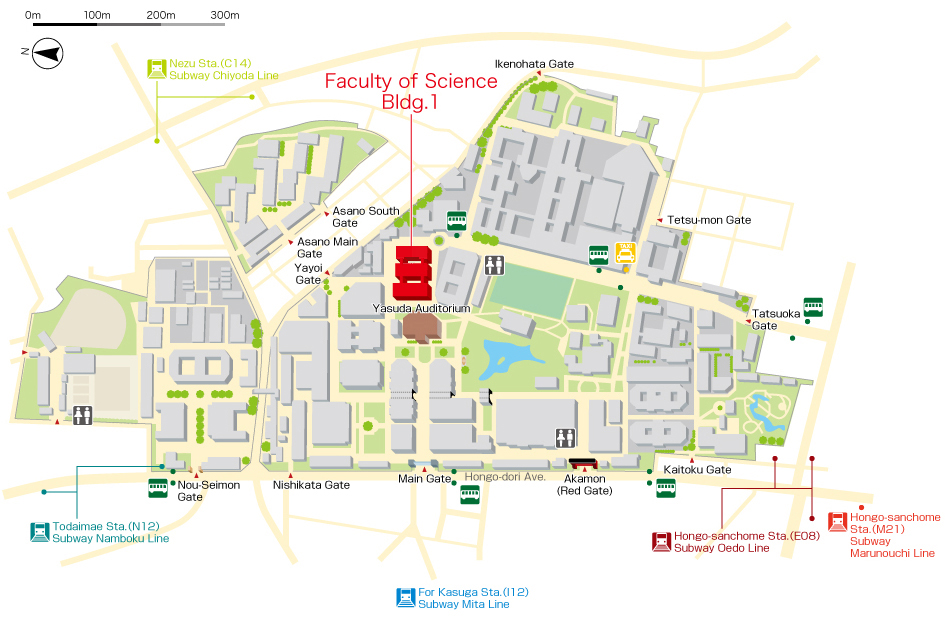
Venue: Faculty of Science Bldg.1, School of Science, The University of Tokyo, Hongo Campus
Event Official Language: English
Workshop

Majorana Modes: Fundamentals, Status & Directions
October 13 (Tue) - 16 (Fri) 2026
Workshop Overview
Majorana modes lie at the heart of contemporary condensed-matter physics, exhibiting non-Abelian exchange statistics; when protected by topology, they are robust against environmental perturbations. Here, “Majorana mode” is used broadly to include a localized zero-energy Majorana state (a Majorana zero mode) and chiral Majorana edge states with gapless dispersion crossing zero energy.
This three-day in-person workshop returns to fundamentals and open questions. It opens with a tutorial session on the afternoon of October 13 for non-experts and adjacent fields, and emphasizes rigorous theory–experiment dialogue, robust methodology, and concrete benchmarks for realizing and testing Majorana modes.
Participants
Experimentalists and theorists working on Majorana modes
Researchers in adjacent fields (quantum materials, superconductivity, mesoscopic physics)
Graduate students and postdocs interested in entering the field
Topics include (non-exhaustive)
Majorana zero modes in a variety of nanostructures
Chiral Majorana edge states in quantum spin liquids and other platforms
Disorder, interactions, and realistic device modeling
Experimental diagnostics and “smoking gun” signatures
Topological Quantum Spin Systems
Venue: Okochi Hall, 1F Laser Science Laboratory, RIKEN
Event Official Language: English
Seminar

AI and Scientific Discovery
October 19 (Mon) 13:00 - 14:00, 2026
Joseph Ledsam (Google Health Lead, Japan, Google Japan)
Artificial intelligence is having a transformative impact on health and scientific discovery. This presentation will trace the evolution from foundational breakthroughs to the sophisticated capabilities of today's large-scale AI models. It will explore how these advanced systems are creating new possibilities across the healthcare landscape, from accelerating therapeutic development to enhancing diagnostic processes and interpreting complex medical data. The session will also take a deeper look at the future possibilities for AI in health and explore the emerging role of agentic AI in scientific discovery. The core theme is the responsible development of AI to create tools that assist scientists, support healthcare professionals, and empower users.
Bio:
Dr Joseph Ledsam leads Google Health in Japan, where he works across AI research, digital health and health in Google products. He has led research in medical AI, genomics and drug discovery published in journals including Nature, Nature Medicine and Nature Methods. Before moving to Japan he worked as a medical doctor in the UK, and founded the Health Research and Genomics teams in Google DeepMind. He obtained his medical degree from The University of Leeds, UK, and was a research fellow at University College London during his clinical residency.
Venue: #435-437, Main Research Building, RIKEN Wako Campus / via Zoom
Event Official Language: English
Seminar

A non-negative matrix factorization-based approach to integrating multimodal omics data with automatically tuned hyperparameters
November 16 (Mon) 14:00 - 15:00, 2026
Dorothy Ellis (Postdoctoral Researcher, Laboratory for Integrative Genomics, RIKEN Center for Integrative Medical Sciences (IMS))
Venue: via Zoom
Event Official Language: English
Workshop
KEK(-iTHEMS) Theory Workshop 2026
November 25 (Wed) - 27 (Fri) 2026
Hirotaka Hayashi (Professor, Department of Physics, School of Science, Tokai University)
Hikaru Kawai (Visiting Professor, Nambu Yoichiro Institute of Theoretical and Experimental Physics (NITEP), Osaka Metropolitan University)
Takato Mori (Assistant Professor, Department of Physics, Faculty of Science, Rikkyo University)
Masaya Nakagawa (Assistant Professor, Department of Physics, Graduate School of Science, The University of Tokyo)
Masaki Shigemori (Professor, Department of Physics, Graduate School of Science, Nagoya University)
Tadashi Takayanagi (Professor, Yukawa Institute for Theoretical Physics, Kyoto University)
Norihiro Tanahashi (Program-Specific Associate Professor, Department of physics, Graduate School of Science, Kyoto University)
Tatsuya Yamaoka (Ph.D. Student, Department of Physics, Graduate School of Science, The University of Osaka)
The KEK Theory Workshop is an annual workshop on string theory and quantum field theory.
Since 2014, it has been held every winter as an international workshop and has become one of the major annual events in the high-energy physics community in Japan.
This year’s workshop will be held on site at the KEK Tsukuba Campus from November 25 to 27, and it will be jointly organized with RIKEN iTHEMS.
The workshop this year aims to provide a forum for extensive discussions on recent developments in string theory, matrix models, gauge/gravity duality, black-hole microstates, lattice constructions of chiral gauge theories, and open quantum systems.
Venue: Seminar Hall, Building 3, KEK Tsukuba Campus
Register: Event registration form
Event Official Language: English
Upcoming Visitor
August 18 (Tue) - 21 (Fri) 2026 Wakaba TateishiAssistant Professor, Hokkaido Musashi Women's University Visiting Place: Main Research Building |
Paper of the Week
Week 3, August 2026
2026-08-13
Title: Sectoral inter-dependencies drive the loss of structural balance in signed financial networks
Author: Kartik Dahake, Abhijit Chakraborty
arXiv: http://arxiv.org/abs/2608.12023v1
Title: Imprints of core/cusp dark matter distributions on black hole signatures in galaxies
Author: Hassan Hassanabadi, Che-Yu Chen, Soroush Zare, Volker Perlick
arXiv: http://arxiv.org/abs/2608.11430v1
Title: Black hole spectroscopy: from theory to experiment
Author: Emanuele Berti, Vitor Cardoso, Gregorio Carullo, Jahed Abedi, Niayesh Afshordi, Simone Albanesi, Vishal Baibhav, Swetha Bhagwat, José Luis Blázquez-Salcedo, Béatrice Bonga, Bruno Bucciotti, Giada Caneva Santoro, Pablo A. Cano, Collin Capano, Mark Ho-Yeuk Cheung, Cecilia Chirenti, Gregory B. Cook, Adrian Ka-Wai Chung, Marina De Amicis, Kyriakos Destounis, Oscar J. C. Dias, Walter Del Pozzo, Francisco Duque, Will M. Farr, Eliot Finch, Nicola Franchini, Kwinten Fransen, Vasco Gennari, Stephen R. Green, Scott A. Hughes, Maximiliano Isi, Xisco Jimenez Forteza, Gaurav Khanna, Fech Scen Khoo, Masashi Kimura, Badri Krishnan, Adrien Kuntz, Macarena Lagos, Rico K. L. Lo, Lionel London, Sizheng Ma, Simon Maenaut, Lorena Magaña Zertuche, Elisa Maggio, Andrea Maselli, Keefe Mitman, Hayato Motohashi, Naritaka Oshita, Costantino Pacilio, Paolo Pani, Rodrigo Panosso Macedo, Chantal Pitte, Lorenzo Pompili, Jaime Redondo-Yuste, Maurício Richartz, Antonio Riotto, Jorge E. Santos, Bangalore Sathyaprakash, Laura Sberna, Hector O. Silva, Leo C. Stein, Alexandre Toubiana, Sebastian H. Völkel, Julian Westerweck, Huan Yang, Sophia Yi, Nicolas Yunes, Hengrui Zhu
Journal Reference: Class. Quantum Grav. 43 (2026) 123001
doi: https://doi.org/10.1088/1361-6382/ae59e2
arXiv: http://arxiv.org/abs/2505.23895v3
Title: A MUSE View of the Optical Torus within the Supernova Remnant 1E 0102.2-7219
Author: Janette Suherli, Samar Safi-Harb, Ivo R. Seitenzahl, Frédéric P. A. Vogt, Parviz Ghavamian, Ralph Sutherland, Chuan-Jui Li, Ashley J. Ruiter, Gilles Ferrand
doi: https://doi.org/10.3847/1538-4357/ae7d1e
arXiv: http://arxiv.org/abs/2606.17563v1
Title: Revisiting the Supernova Engines in the 3C 397 and W49B Supernova Remnants
Author: Cole Treyturik, Chelsea Braun, Samar Safi-Harb, Christopher L. Fryer, Gilles Ferrand
arXiv: http://arxiv.org/abs/2512.01176v1
Title: A Systematic Study of Type Ia Supernova Remnants: Using Nucleosynthesis to Probe their Supernova Progenitors
Author: Cole Treyturik, Samar Safi-Harb, Gilles Ferrand
arXiv: http://arxiv.org/abs/2608.07778v1
Title: Magnetic Catalysis and Fermion Mass Generation in de Sitter Spacetime
Author: Kohei Fujikura, Toshifumi Noumi, Shintetsu Yamazaki
arXiv: http://arxiv.org/abs/2608.07270v1
Title: Involutive Khovanov homology and equivariant knots II
Author: Taketo Sano
arXiv: http://arxiv.org/abs/2608.07114v1
If you would like to cancel your subscription or change your email address,
please let us know via our contact form.
Copyright © iTHEMS, RIKEN. All rights reserved.