
Volume 391
Back to Newsletter List


Volume 391
January 16, 2026
Press Release
A New Principle for Controlling the “Butterfly Effect”
2026-01-15
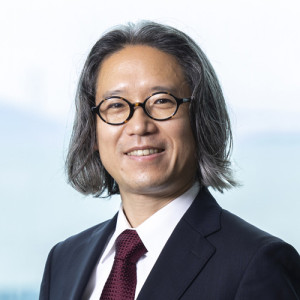
Takemasa Miyoshi (Team Principal, Data Assimilation Research Team, RIKEN Center for Computational Science (R-CCS) / Team Director, Prediction Science Research Team, Division of Applied Mathematical Science, RIKEN iTHEMS), has developed a new mathematical framework for efficiently controlling chaos by turning the fundamental limitation of predictability in deterministic chaos—widely known as the “butterfly effect”—to an advantage.
He proposed a “duality principle,” demonstrating that data assimilation, which forms the foundation of weather forecasting (a process that synchronizes a model with the behavior of nature using observational data), and the control of chaos are mathematically twin concepts. Rather than suppressing chaos itself, this new approach exploits the high sensitivity characteristic of chaotic systems to synchronize real-world behavior with a manageable “target trajectory” through only a small amount of “intervention.” In this way, the study theoretically outlines a path toward controlling chaos beyond the conventional limits of predictability.
This achievement provides a theoretical basis for future research in disaster prevention and mitigation—for example, applying minimal interventions to synchronize real atmospheric phenomena with a “typhoon scenario that causes no damage” (a target trajectory) simulated in a model, with the aim of avoiding extreme weather events. It is also expected to have applications in a wide range of fields that exhibit chaotic behavior, including ecosystems and economics.
For further details, please refer to the related links.
Reference
- Takemasa Miyoshi, A Duality Principle for Chaotic Systems: From Data Assimilation to Efficient Control, Nonlinear Dyn 114, 105 (2026), doi: 10.1007/s11071-025-12021-2
Press Release

A 300-Billion-Particle Milky Way Simulation Achieved with AI × Fugaku
2026-01-15
An international collaborative research team including Keiya Hirashima, Special Postdoctoral Researcher, has achieved the world’s highest-resolution simulation of the Milky Way galaxy by utilizing the entire system of the AI and supercomputer “Fugaku” (approximately 150,000 nodes) and modeling 300 billion particles representing stars, interstellar gas, and other components—resolving the galaxy down to individual stars.
This research is expected to contribute to a better understanding of the Milky Way’s spiral arm structure (the arm-like features of spiral galaxies that extend outward from the center while winding across the galactic disk), the circulation of chemical elements within the galaxy, and the origins of the materials that formed the Solar System and life.
For more details, please refer to the related links.
Reference
- Keiya Hirashima, Michiko S. Fujii, Takayuki R. Saitoh, Naoto Harada, Kentaro Nomura, Kohji Yoshikawa, Yutaka Hirai, Tetsuro Asano, Kana Moriwaki, Masaki Iwasawa, Takashi Okamoto, Junichiro Makino, The First Star-by-star $N$-body/Hydrodynamics Simulation of Our Galaxy Coupling with a Surrogate Model, SC'25: Proceedings of The International Conference for High Performance Computing, Networking, Storage, and Analysis (2025), doi: 10.1145/3712285.3759866
Hot Topic

iTHEMS Colloquium by Hiroki R. Ueda on October 10, 2025
2026-01-15
On October 10, 2025, Dr. Hiroki Ueda, Professor at the University of Tokyo’s Graduate School of Medicine and former Team Leader at RIKEN Center for Biosystems Dynamics Research (BDR), delivered a splendid iTHEMS Colloquium talk on the Wako campus.
His lecture, titled “Why Do We Sleep? The Role of Calcium and Phosphorylation in Sleep,” attracted a wide audience—not only researchers from iTHEMS but also colleagues from other RIKEN centers, including the Pioneering Research Institute (PRI) and the Center for Brain Science (CBS), as well as administrative staff. The talk was highly engaging and accessible to specialists and non-specialists alike.
Dr. Ueda began with an overview of the long history of sleep research and the major unsolved questions that continue to inspire the field. He then presented his group’s recent discoveries on the role of calcium in sleep regulation. He also introduced a new theoretical framework—the WISE (Wake Inhibition Sleep Enhancement) mechanism—together with its mathematical modeling. Because sleep is closely connected to our daily lives, the audience had many questions from diverse perspectives, and Dr. Ueda kindly addressed each of them in detail. During and after the colloquium, including at the dinner that followed, we had stimulating discussions with him about his group’s model and potential new directions for sleep research and related areas of life science. We are deeply grateful to Dr. Ueda for his inspiring lecture and for sharing his broad expertise with our community.
(Photos: courtesy of Assistant Chikako Ota, RIKEN iTHEMS.)
Reported by Gen Kurosawa

Why do we sleep? — The Role of Calcium and Phosphorylation in Sleep
October 10 (Fri) 15:30 - 17:00, 2025
Upcoming Events
Seminar
Introduction to the gravitational wave background from the primordial universe
January 16 (Fri) 16:00 - 17:15, 2026
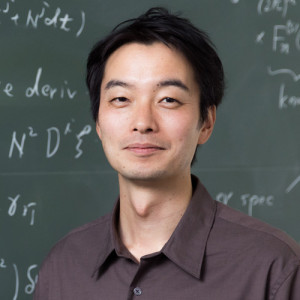
Ryo Namba (Senior Research Scientist, Division of Fundamental Mathematical Science, RIKEN Center for Interdisciplinary Theoretical and Mathematical Sciences (iTHEMS))
Being genuine propagating degrees of freedom of the spacetime metric, gravitational waves (GWs) serve as an independent "eye" through which we can probe the evolution history of our universe. They are complementary to electromagnetic observables such as cosmic microwave background (CMB) and can act as direct messengers from the earliest stage of the universe, where conventional probes lose access. In particular, a stochastic background of GWs is widely regarded as a smoking gun of cosmic inflation.
In this talk, I introduce the basic theoretical framework for GWs produced in the primordial universe and discuss how they arise from vacuum fluctuations of the metric. I also outline additional production mechanisms sourced by matter fields in the early universe and contrast their characteristic observational signatures with those of vacuum tensor modes. The emphasis of my talk will be on physical intuition and analytic derivations, with the aim of making the subject accessible to non-specialists in the astrophysics community.
Venue: Hybrid Format (3F #359 and Zoom), Seminar Room #359, 3F Main Research Building, RIKEN
Event Official Language: English
Seminar
Analog variational quantum eigensolver for neutral atomic quantum simulators
January 20 (Tue) 10:00 - 12:00, 2026
Kazuma Nagao (Postdoctoral Researcher, Computational Materials Science Research Team, RIKEN Center for Computational Science (R-CCS))
Venue: Seminar Room #359, 3F Main Research Building, RIKEN / via Zoom
Event Official Language: English
Seminar
Evolution of sterile soldier castes in aphids
January 21 (Wed) 13:00 - 14:00, 2026
Keigo Uematsu (Assistant Professor, Keio University)
This seminar is jointly organized with the RIKEN Center for Sustainable Resource Science (CSRS).
Social evolution in aphids is tightly linked to the formation of galls on their host plants. Galls provide efficient colony defense and nutritionally rich feeding sites such that colony members need not forage outside, leading to high intra-group relatedness. Typically, social aphids form a gall on their primary host plant, after which winged morphs disperse to secondary host plants and establish a free-living, open colony. Remarkably, sterile soldier castes have independently evolved twice in these open colonies, where individuals live on plant surfaces without modifying their structure. These aphids raise intriguing questions about the prerequisites for eusocial evolution and the mechanisms by which two distinct social systems are maintained within a single genome.
In this talk, I will first provide an overview of the life cycle and the diversity of altruistic behaviors in gall-forming aphids, and then present our studies of the evolution of a sterile soldier caste in aphids inhabiting open colonies. From a developmental perspective, we tested the hypothesis that the sterile soldiers evolved through the co-option of pre-existing soldier phenotypes in a gall, based on similarity in morphology, transcriptome and behavior. From an ecological perspective, we investigated the kin structure and altruistic behavior of young nymphs in the open colonies of pre-eusocial species, and demonstrate that young aphids exhibit altruism by yielding feeding sites to older kin. Together, we propose that the open colonies of social aphids provide an ideal model system for studying the evolution of altruism.
Venue: Hybrid Format (3F #359 and Zoom), Seminar Room #359, 3F Main Research Building, RIKEN / via Zoom
Event Official Language: English
School
New computational methods in quantum field theory 2026
January 26 (Mon) - 28 (Wed) 2026
Recent developments in quantum computers and related theoretical/technical advancements have brought attention to "new computational methods in quantum field theory" in the fields of high energy/nuclear physics.
Main targets of this school are graduate students and postdocs. This school provides opportunities to discuss recent research trends and their applications through lectures by experts and presentations by participants.
Lecturers:
Junichi Haruna (University of Osaka) "Introduction to Quantum Error Correction (tentative)"
Yoshimasa Hidaka (Yukawa Institute for Theoretical Physics/RIKEN iTHEMS) “Introduction to Hamiltonian Lattice Gauge Theory (tentative)”
Tokiro Numasawa (University of Tokyo) "Open Majorana system (tentative)"
Venue: #435-437, 4F, Main Research Building, RIKEN Wako Campus
Event Official Language: English
Seminar


DEEP-IN-iPI Joint Meeting
January 26 (Mon) - 30 (Fri) 2026
Xingyu Guo (Lecturer, Institute of Quantum Matter, South China Normal University, China)
Gert Aarts (Professor, Department of Physics, Swansea University, UK)
Shuzhe Shi (Assistant Professor, Physics Department, Tsinghua University, Beijing, China)
Sung Hak Lim (Senior Researcher, Center for Theoretical Physics of the Universe (CTPU-PTC), Institute for Basic Science (IBS), Republic of Korea)
Jinyang Li (Ph.D. Student, Program of Particle and Nuclear Physics, The Graduate University for Advanced Studies (SOKENDAI))
Yingying Xu (Research fellow, Department of Mathematics and Statistics, University of Helsinki, Finland)
The series of DEEP-IN meetings (Jan 26–30, 2026) are joint with UTokyo Institute for Physics of Intelligence (iπ), which is a multi-day scientific program bringing together researchers to explore quantum simulations, machine learning physics, and applications in particle and nuclear physics.
The tentative schedule is,
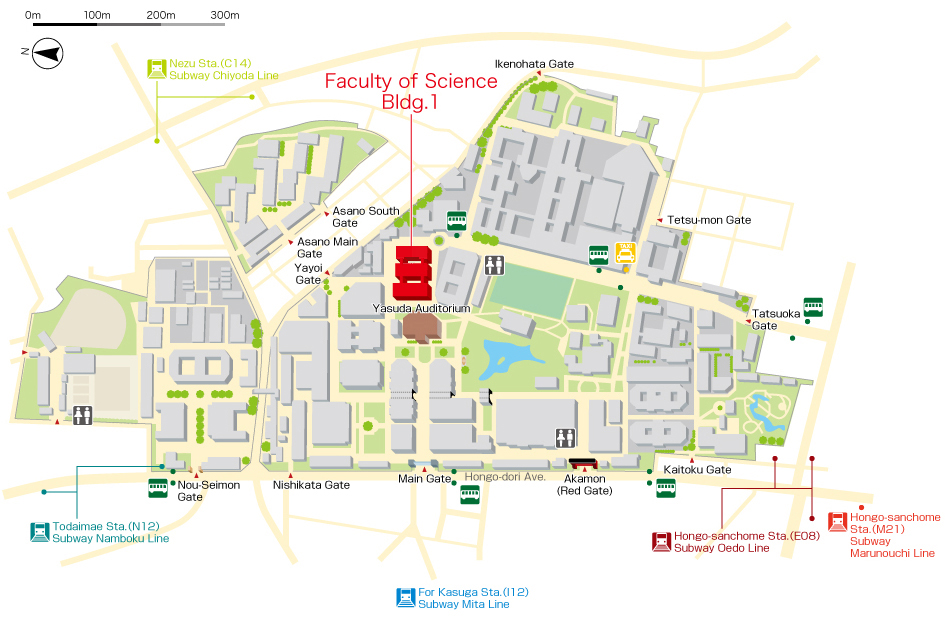
UTokyo-iπ Session (Venue: #512, Faculty of Science Bldg.1, School of Science, UTokyo)
Day 1: Jan 26 (Mon)
14:30–16:00 Onset of Bjorken flow in a quantum many-body simulation of the massive Schwinger model, Shuzhe Shi
Day 2: Jan 27 (Tue)
14:30–16:00 Physics of Diffusion Models, Gert Aarts
16:00–17:30 Discovering Symmetry from Energy-Based Diffusion Models, Jinyang Li
RIKEN-iTHEMS Session (Venue: Seminar Room #359, Main Research Building)
Day 3: Jan 28 (Wed)
14:30–16:00 Understanding Galactic Dark Matter with Generative Models, Sung Hak Lim
16:00–18:00 Free Discussion ML Physics-1
Day 4: Jan 29 (Thu)
10:00–11:30 Quantum Simulations of HEP and Beyond, Xingyu Guo
14:30–16:00 Physics of Machine Learning, Gert Aarts
16:00–17:30 Storage capacity of perceptron with variable selection, Yingying Xu
Day 5: Jan 30 (Fri)
11:00–14:00: Free Discussion ML Physics-2
Venue: via Zoom / Seminar Room #359, 3F Main Research Building, RIKEN / Faculty of Science Bldg.1, School of Science, The University of Tokyo, Hongo Campus
Event Official Language: English
Seminar
iTHEMS Cosmology Forum n°5 - Effective Field Theory approaches across the Universe
January 29 (Thu) 10:00 - 17:00, 2026
Katsuki Aoki (Research Assistant Professor, Yukawa Institute for Theoretical Physics, Kyoto University)
Toshifumi Noumi (Associate Professor, Graduate School of Arts and Sciences, The University of Tokyo)
Lucas Pinol (CNRS Researcher, Laboratoire de Physique de l’École Normale Supérieure (LPENS), CNRS/École Normale Supérieure, France)
This fifth workshop will bring together researchers exploring the effective field theory (EFT) framework in diverse cosmological contexts (https://indico2.riken.jp/event/5435/overview). Topics will include EFT formulations of interacting dark matter and dark energy, open EFTs for gravity, and multi-field inflationary dynamics. By highlighting recent progress and open questions, the workshop seeks to bridge insights from the early and late universe through the unifying language of EFT. In addition to the invited talks, the workshop will feature a panel discussion designed to promote interaction between the speakers and participants.
One of the key goals of this event is to foster collaboration among researchers working in neighboring fields, and to encourage participation from young and early-career researchers who are interested in, but may not yet have worked on, these themes. The workshop welcomes a broad audience with an interest in theoretical cosmology, gravitation, and quantum field theory.
The workshops are organised by the Cosmology Study Group at RIKEN iTHEMS.
Venue: Okochi Hall, 1F Laser Science Laboratory, RIKEN
Event Official Language: English
Seminar
Gauge fixing for open systems: A pathway to open gravity EFTs
January 30 (Fri) 14:00 - 16:00, 2026
Maria Mylova (Project Researcher, Kavli Institute for the Physics and Mathematics of the Universe (Kavli IPMU))
Understanding how to gauge-fix open quantum field theories is essential for building consistent open frameworks for cosmology and gravity, where gauge symmetry must coexist with dissipation and noise and decoherence. I will present our recent work developing explicit top-down constructions of open effective field theories (EFTs) for gauge degrees of freedom, with particular emphasis on the role of gauge fixing. We implement BRST quantisation on the Schwinger-Keldysh contour and show that the in-in boundary conditions reduce the doubled global BRST symmetry to a single diagonal copy. This diagonal BRST symmetry is nevertheless sufficient to guarantee that the influence functional remains gauge invariant under two independent gauge transformations, retarded and advanced, independently of the choice of initial state, the presence of symmetry-breaking phases, and whether the gauge theory is Abelian or non-Abelian. We further clarify how this is compatible with the decoupling limit, in which the global advanced symmetry is generically broken by the state. I will conclude by outlining bottom-up implications, and how these principles provide a systematic route to causal, gauge-invariant open EFTs suitable for cosmological and gravitational applications.
Venue: #445-447, 4F (Hybrid), Main Research Building, RIKEN Wako Campus
Event Official Language: English
Meeting

Mathematical Application Research Team Meeting #12
February 6 (Fri) 14:00 - 15:30, 2026
Riccardo Muolo (Special Postdoctoral Researcher, Division of Fundamental Mathematical Science, RIKEN Center for Interdisciplinary Theoretical and Mathematical Sciences (iTHEMS))
Mathematical Application Research Team invites Riccardo Muolo fom Division of Fundamental Mathematical Science to this meeting. You are welcome to join the meeting.
Title: Dynamics beyond nodes: a topological framework for oscillatory dynamics on higher-order networks
Abstract: In recent years, increasing attention has been given to dynamical processes taking place on higher-order networks, where interactions are not limited to links, but may involve also higher-dimensional simplices [1]. While classical network models assume that state variables live on nodes and interact through links, many real systems — including brain, climate, and transportation systems — cannot be fully described within this node-centric perspective [2]. In this seminar, I will introduce the framework of higher-order networks and the concept of topological signals, namely, dynamical variables defined on simplices of higher dimensions. I will briefly present the basic tools required for this setting, including elementary notions of discrete calculus, discrete topology and geometric algebra, which serve as the mathematical foundation for modeling dynamical processes beyond the node-based paradigm.
Next, I will discuss models of oscillatory dynamics extended to this framework. First, I will present the topological Kuramoto model [3], in which phases are not restricted to nodes but may also be associated with links, and where the coupling arises from the combinatorial structure of the simplicial complex. Then, I will introduce the discrete Hodge Laplacian and the Dirac-Bianconi operator [4], the former generalizing diffusive interactions to the higher-order setting, while the latter provides cross-talk between signals defined on simplices of different dimensions. Finally, I will introduce the notion of Dirac-Bianconi driven oscillators, where the dynamics of node- and link-signals coexist, interact and may give rise to collective oscillatory behaviors [5].
References
- Ginestra Bianconi, Higher‑Order Networks: An Introduction to Simplicial Complexes. Elements in the Structure and Dynamics of Complex Networks, Cambridge University Press (2021), doi: 10.1017/9781108770996
- Ana P. Millán, Hanlin Sun, Lorenzo Giambagli, Riccardo Muolo, Timoteo Carletti, Joaquín J. Torres, Filippo Radicchi, Jürgen Kurths & Ginestra Bianconi, Topology shapes dynamics of higher-order networks, Nature Physics volume 21, pages 353–361 (2025), doi: 10.1038/s41567-024-02757-w
- Ana P. Millán, Joaquín J. Torres, Ginestra Bianconi, Explosive Higher-Order Kuramoto Dynamics on Simplicial Complexes, Phys. Rev. Lett. 124, 218301 (2020), doi: 10.1103/PhysRevLett.124.218301
- Ginestra Bianconi, The topological Dirac equation of networks and simplicial complexes, J. Phys. Complex., 2(3): 035022 (2021), doi: 10.1088/2632-072X/ac19be
- Riccardo Muolo, Iván León, Yuzuru Kato, Hiroya Nakao, Synchronization of Dirac-Bianconi driven oscillators, arXiv: 2506.20163
Venue: #359, 3F, Main Research Building, RIKEN Wako Campus / via Zoom
Event Official Language: English
Seminar

What can we learn from kilonovae about nucleosynthesis and high-density matter?
February 9 (Mon) 14:00 - 15:15, 2026
Oliver Just (Postdoctoral Researcher, GSI Helmholtzzentrum für Schwerionenforschung, Germany)
The electromagnetic transients accompanying neutron-star mergers (NSMs), called kilonovae, are powered by the radioactive decay of freshly synthesized heavy elements. As such they should contain rich information about the ejected matter and the properties of the extremely dense meta-stable neutron-star remnant formed right after the collision. However, extracting such information from observed kilonova light curves and spectra remains a challenging endeavor, which requires sophisticated models of various hydrodynamic processes and neutrino transport effects, detailed knowledge of nuclear and atomic physics, as well as complex radiative transfer calculations. In this talk I will report recent efforts from our "HeavyMetal" collaboration aimed at deciphering kilonovae.
Venue: Hybrid Format (3F #359 and Zoom), Seminar Room #359, 3F Main Research Building, RIKEN
Event Official Language: English
Colloquium

The 31st MACS Colloquium & 2025 MACS Achievement Report Meeting
February 18 (Wed) 14:45 - 18:00, 2026
Yujiro Eto (Associate Professor, Center for Science Adventure and Collaborative Research Advancement (SACRA), Graduate School of Science, Kyoto University)
14:45-15:00 Teatime discussion
[15:00-16:00 The 31st MACS Colloquium]
Talk by Dr. Yujiro Eto (Associate Professor, Center for Science Adventure and Collaborative Research Advancement (SACRA), Graduate School of Science, Kyoto University)
[16:10-18:30 2025 MACS Achievement Report Meeting]
16:10-17:10 Flash Talks to report results
17:10-18:00 Poster Session by SG participating students
Venue: #401, Graduate School of Science Bldg. No.6 , Kyoto University
Event Official Language: Japanese
Seminar
The sample complexity of species tree estimation: How many genes does it take to infer a species tree?
February 19 (Thu) 13:00 - 14:00, 2026
Max Hill (Assistant Professor, University of Hawaiʻi, USA)
In this talk, I will discuss the problem of inferring an evolutionary tree from DNA sequence data. The main focus will be on the sample complexity of this problem---i.e., the question of how much data is required to achieve high probability of correct inference. After introducing a standard stochastic model of gene and DNA evolution, I will highlight some surprising features of DNA sequence data that complicate inference. Finally, I will present an impossibility result which takes the form of an information-theoretic lower bound on the minimum amount of data needed for accurate inference when genes exhibit variation in mutation rates. No prior knowledge of phylogenetics or information theory is assumed. Based on joint work with Sebastien Roch.
Venue: Seminar Room #359, 3F Main Research Building, RIKEN / via Zoom
Event Official Language: English
Seminar
Testing the quantum nature of gravity with optomechanical systems
February 26 (Thu) 10:00 - 12:00, 2026
Yuta Michimura (Assistant Professor, Department of Physics, Graduate School of Science, The University of Tokyo)
Quantum gravity remains one of the major challenges in modern physics. Even at the most fundamental level, there is no experimental confirmation of whether a mass placed in a spatial superposition generates a corresponding superposition of gravitational fields. In recent years, experiments aiming to create gravity-induced quantum entanglement have attracted significant attention as a way to probe the quantum nature of non-relativistic gravity. In particular, optomechanical systems, which exploit the interaction between light and mechanical oscillators, provide a promising platform for such studies. We are pursuing experiments at the milligram scale, which lies between the smallest mass scale at which classical gravity has been tested and the largest mass scale at which quantum states of mechanical oscillators have been realized [1]. In this seminar, I will discuss experimental approaches to testing the quantum nature of gravity using suspended and levitated mirrors. I will also discuss our recent proposal to use inverted oscillators to enhance gravity-induced entanglement exponentially [2].
References
- Yuta Michimura, Kentaro Komori, Quantum sensing with milligram scale optomechanical systems, The European Physical Journal D 74, 126 (2020), arXiv: 2003.13906
- Tomohiro Fujita, Youka Kaku, Akira Matsumura, Yuta Michimura, Inverted Oscillators for Testing Gravity-induced Quantum Entanglement, Classical and Quantum Gravity 42, 165003 (2025), arXiv: 2308.14552
Venue: Hybrid Format (3F #359 and Zoom), Seminar Room #359, 3F Main Research Building, RIKEN
Event Official Language: English
Seminar

The career talk: From Quarks to Cinematic Sparks
February 27 (Fri) 15:00 - 16:30, 2026
Agnes Mocsy (Professor, Department of Mathematics and Science, Pratt Institute, USA)
While my career began in a linear way, it gradually opened into a non-traditional path through unexpected mergings, where theoretical nuclear physics, filmmaking, and creative public and academic engagement intertwined. I will share how scientific inquiry, artistic practice, and storytelling began shaping one another, opening new ways to explore complexity, emotion, and connection. Drawing on work from my physics research to cinema projects like Rare Connections, I will reflect on how curiosity and creative thinking move freely across science and art, deepening each and expanding how we understand the human experience. My aim is to offer a perspective on the possibilities that emerge when we allow our multitudes to meet and transform one another.
Venue: Hybrid Format (3F #359 and Zoom), Seminar Room #359, 3F Main Research Building, RIKEN
Event Official Language: English
Workshop
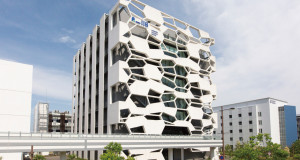
RIKEN iTHEMS-Kyoto University joint workshop on Asymptotics in Astrophysics and Cosmology
March 2 (Mon) - 4 (Wed) 2026
This joint workshop will bring together physicists and mathematicians who work with asymptotics and perturbation theory techniques. This includes theorists in cosmology, high energy physics, quantum gravity, solar physics, astrophysics.
Workshop overview
Over three days, there will be approximately 15 invited (1 hour slot) or contributed (20-30 min slot) talks about:
Fundamental asymptotics and perturbation theory techniques used in theoretical physics. Various applications of asymptotics and perturbation theory techniques in (wave transport or oscillation related) astrophysics and cosmology eigenvalue problems.
The workshop will also feature hands-on Mathematica and Python tutorials introducing:
Practical use of WKB methods in applied mathematics for any “Schrodinger-like” wave equations, Resummation methods in high energy theory, Deriving normal modes in stars, and their application to tidal evolution in binary star or planet systems, Eigenvalue problems in core collapse supernova theory.
Venue: 8F, Integrated Innovation Building (IIB), Kobe Campus, RIKEN
Event Official Language: English
Workshop
KEK-iTHEMS Workshop “Concepts of Quantum and Spacetime”
March 9 (Mon) - 12 (Thu) 2026
The two fundamental questions—“What is quantum?” and “What is spacetime?”—are deeply intertwined. On one hand, the formulation and interpretation of quantum theory depend both implicitly and explicitly on our conceptions of time and space. On the other hand, we believe that fully taking into account the quantum character of nature will force us to revise our understanding of spacetime. These two conceptual problems lie at the heart of the unsolved challenge of how to quantize classical spacetime, and conversely, how (semi-) classical descriptions of spacetime emerge from quantum theory. Furthermore, if the entire matter-spacetime system is a kind of quantum many-body system, thermodynamics—which governs its statistical behaviors—should play a key role in elucidating these problems.
This workshop will discuss the question “How can quantum theory and spacetime be understood in a consistent manner?” from a fundamental and broad perspective. To tackle this challenge, we gather researchers in foundations of quantum theory, quantum gravity, and related fields from around the world, providing a "space and time" to share various ideas with open minds and engage in lively discussions. By exploring new concepts and principles, we hope to uncover directions to guide quantum theory over the next 100 years.
This workshop covers…
Foundations of quantum theory
Quantum gravity and emergence of spacetime
Formulation of semi-classical gravity
Experimental aspects of fundamental properties in nature and quantum gravity
Foundations of quantum many-body systems and thermodynamics
Other related topics are welcome.
We welcome short talk presentations and poster presentations.
This event is a workshop jointly organized by KEK Theory Center and RIKEN iTHEMS.
Venue: Seminar Hall, Building 3, KEK
Event Official Language: English
Workshop
Perspectives and applications of Koopman Operator Theory
March 19 (Thu) 9:00 - 18:00, 2026
Yoshihiko Susuki (Professor, Graduate School of Engineering, Kyoto University)
Hiroya Nakao (Professor, Department of Systems and Control Engineering, Institute of Science Tokyo)
Alexandre Mauroy (Associate Professor, Mathematics, University of Namur, Belgium)
Yuzuru Kato (Associate Professor, Department of Complex and Intelligent Systems, School of Systems Information Science, Future University-Hakodate)
PROGRAM:
9h45 - 10h15 Registration & Coffee
10h15 - 10h20 Opening Remarks - Satoshi Iso (RIKEN), Director of iTHEMS
10h20 - 11h20 SESSION 1 - Chair: Tetsuo Hatsuda (RIKEN)
Yoshihiko Susuki (Kyoto University): Koopman resolvents in dynamical systems and control
11h20 -11h40 Free Discussions
11h40 - 13h00 Lunch Break & Discussions
13h00-14h00 SESSION 2 - Chair: Narumi Fujii (Institute of Science Tokyo)
Alexandre Mauroy (University of Namur, Belgium): Analytic EDMD method for spectral analysis of fixed point dynamics
14h00 - 14h30 Coffee Break & Discussions
14h30 - 15h30 SESSION 3 - Chair: Tetsuo Hatsuda (RIKEN)
Hiroya Nakao (Institute of Science Tokyo): Koopman operator analysis of coupled oscillator systems
15h30 - 16h00 Coffee Break & Discussions
16h00 - 17h00 SESSION 4 - Chair: Riccardo Muolo (RIKEN)
Yuzuru Kato (Future University Hakodate): Analysis of quantum nonlinear oscillators on the basis of Koopman operator theory
17h00 - 17h05 Closing Remarks - Tetsuo Hatsuda, Chair of the Workshop
17h05 - 18h00 Free Discussions
Venue: Room 535-537, 5F, Main Research Building, RIKEN Wako Campus
Event Official Language: English
Seminar
Clumpy Outflows from Super-Eddington Accreting Black Holes
April 10 (Fri) 14:00 - 15:15, 2026
Haojie Hu (JSPS Research Fellow, University of Tsukuba)
Recent advances in X-ray spectroscopic observation have enabled researchers to reveal distinct clumpy structures in the super-Eddington outflows from the supermassive black hole in PDS 456 (XRISM Collaboration 2025), initiating detailed investigation of fine-scale structures in accretion-driven outflows. In this talk, I will introduce our high-resolution, two-dimensional radiation-hydrodynamics simulations with time-varying and anisotropic initial and boundary conditions that reproduce clumpy outflows from super-Eddington accretion flows. The resulting clumpy outflows extend across a wide range of radial distances and polar angles, exhibiting typical properties such as a size of ~10 rg (where rg is the gravitational radius), a velocity of ~0.05–0.2 c (where c is the speed of light), and about five clumps along the line of sight. Although the velocities are slightly smaller, these characteristics reasonably resemble those obtained from the XRISM observation. The gas density of the clumps is on the order of 10^-13–10^-12 g cm^-3, and their optical depth for electron scattering is approximately 1–10. The clumpy winds accelerated by radiation force are considered to originate from the region within <300 rg.
Venue: #220, 2F, Main Research Building, RIKEN Wako Campus / via Zoom
Event Official Language: English
Paper of the Week
Week 3, January 2026
2026-01-15
Title: Equivalence of Doubly Periodic Tangles
Author: Ioannis Diamantis, Sofia Lambropoulou, Sonia Mahmoudi
arXiv: http://arxiv.org/abs/2310.00822v2
Title: Relaxation Process During Complex Time Evolution In Two-Dimensional Integrable and Chaotic CFTs
Author: Chen Bai, Weibo Mao, Masahiro Nozaki, Mao Tian Tan, Xueda Wen
arXiv: http://arxiv.org/abs/2601.09290v1
Title: Dissipative ground-state preparation of a quantum spin chain on a trapped-ion quantum computer
Author: Kazuhiro Seki, Yuta Kikuchi, Tomoya Hayata, Seiji Yunoki
arXiv: http://arxiv.org/abs/2601.08137v1
Title: Coherence of Supermassive Black Hole Binary Demographics with the nHz Stochastic Gravitational Wave Background
Author: Katsunori Kusakabe, Yoshiyuki Inoue, Daisuke Toyouchi
arXiv: http://arxiv.org/abs/2510.10548v2
Title: Extending the Handover-Iterative VQE to Challenging Strongly Correlated Systems: $N_2$ and Fe-S Cluster
Author: Pilsun Yoo, Kyungmin Kim, Eyuel E. Elala, Shane McFarthing, Aidan Pellow, Johanna I. Fuks, Doo Hyung Kang, Pratanphorn Nakliang, Jaewan Kim, Himadri Pathak, Tomonori Shirakawa, Seiji Yunoki, June-Koo Kevin Rhee
arXiv: http://arxiv.org/abs/2601.06935v1
Title: Dynamics of Interfaces in the Two-Dimensional Wave-Pinning Model
Author: Shunsuke Kobayashi, Koya Sakakibara, Taikei Uechi
arXiv: http://arxiv.org/abs/2601.04746v1
If you would like to cancel your subscription or change your email address,
please let us know via our contact form.
Copyright © iTHEMS, RIKEN. All rights reserved.